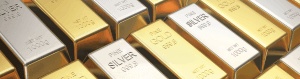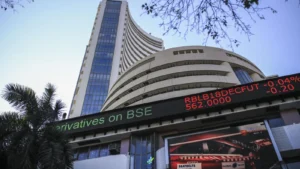

Gold prices have hit record levels in India and on domestic commodity exchanges, as a massive shift in investor sentiment takes place amid increasing global uncertainty. Gold and silver prices have been supported by a combination of global and domestic factors, including rising geopolitical tensions, renewed trade-war fears following fresh US tariff threats, and expectations of interest rate cuts by the US Federal Reserve. Comments from Fed officials pointing to potential economic and labour-market weakness have weighed on the US dollar, further strengthening gold prices.
Gold Prices Today: Gold Hits Fresh Highs Across Markets
India Gold Prices Surge on January 19, 2026, the gold rates surged in India, extending its previous day gains. On the other hand, the gold price of 24-carat went up to ₹1,45,100 per 10 grams with an increase of ₹2,270 or around 16% from the previous close. Similarly, 22-carat gold is being sold at the price of ₹1,33,008 per 10 grams, and ₹1,08,825 can be obtained for ten grams of 18-carat gold.
The gain was sharper on the Multi Commodity Exchange (MCX), where gold futures for February jumped by nearly ₹3,000 at ₹1,45,500 per 10 grams, a record high. Silver also witnessed a steep rise as MCX silver March futures traded above ₹13,550 or almost 5% at a lifetime high of ₹3,01,315 per kilogram.
These quick gains highlight the strong demand for precious metals in the face of escalating risks in the global economy.
Why Are Gold Prices So High?
The primary catalyst behind gold and silver’s recent surge is rising geopolitical tension. There was market instability following US President Donald Trump’s new threats of a trade war campaign against several of the European Union countries over his unpopular stand on Greenland. Fears of retaliation and a wider escalation in global trade disputes have been reawakened by the possibility of tariffs as high as 25 per cent on goods from European countries.
Those developments have led to increased demand for safer assets, with investors pulling money out of more speculative holdings and pouring it into traditional safe havens such as gold. Throughout history, gold has been a hedge against geopolitical turmoil, economic slowdowns and financial market volatility.
Trade Tensions and Safe-Haven Demand
The resurfacing of trade tensions between the US and Europe is adding to concerns that the global economy may be slipping towards another period of weakness. There are reports that European leaders are considering counter-measures, including potentially activating the EU’s anti-coercion tool, further unsettling markets.
French President Emmanuel Macron has also added to the seriousness of the situation by suggesting that the European Union should think about using trade defence tools. Safe-haven assets have remained bid amid concerns that trade tensions could last longer than thought, driving gold prices upward.
According to market experts, the aggressive shift toward gold reflects investors’ desire to protect portfolios from potential shocks stemming from geopolitical confrontations and policy uncertainty.
Role of USD & Fed Expectations
A big driver of gold’s price gains remains the action in US currency. The dollar index was down more than 0.30% and traded close to the 99 level, supporting dollar-denominated commodities such as gold, which became less expensive for investors holding other currencies. A weaker dollar tends to increase demand for gold, particularly among foreign investors.
The gold prices remain well supported by expectations for more US interest rate cuts from the Federal Reserve and rallying equity markets. Remarks by Federal Reserve Vice Chair for Supervision Michelle Bowman that flagged softness in the US labour market have bolstered some expectations that the central bank could cut rates more if the economy weakens.
Reduced interest rates decrease the relative cost of holding non-yielding assets, such as gold, versus interest-bearing instruments like bonds.
Gold Rates in India vs Dubai: Gap Wide Open Between Two Countries
Even though gold prices in India are still on an increase, the metal is being sold here at a large premium over international market prices , like Dubai. On January 19, 2026, 24-carat gold in India was trading at ₹1,45,100 per 10 grams against ₹1,12,816 in Dubai, a difference of ₹32,284 or close to 29%.
The price difference is a little more for 22-carat and 18-carat gold as well. The price difference is mainly attributable to import duties, taxes and other levies on gold imports in the country, which have impacted domestic prices significantly. Demand in India continues to be strong, despite high prices and is sustained by cultural factors as well as seasonal purchases.
Domestic Demand Adds Further Support
In India, the “festive and wedding demand” season support for prices continues to be in play. Jewellers and retailers are seeing consistent buying interest, especially in bigger cities where consumers consider gold not just as jewellery, but also a long-term store of value.
Silver, meanwhile, is enjoying investment demand and industrial use. Rising demand from sectors like electronics, renewable energy and solar panel manufacturing has enhanced silver’s appeal and increased its price gains with gold as well.
Experts Weigh In: Why the Rally Could Carry On
Political uncertainty and geopolitical risk are helping gold and silver regain some ground, say market analysts who think there may be several reasons for rebounding precious-metals prices. “Strong and brisk haven buying in bullion’s price amid growing trade tension between the US and Europe has lifted the prices of the metal,” said Rahul Kalantri, Vice President, Commodities at Mehta Equities.
He also noted that political stability fears, uncertainty over the independence of US monetary policy, and geopolitical risks have been adding to gold’s appeal. Following the impressive momentum going into 2025, prospects for further US rate cuts are still underpinning investment demand for precious metals.
Key Events to Watch Ahead
Moving forward, investors will continue to monitor major global moves that may impact gold prices. Investors will be on the lookout for cues on growth momentum from GDP numbers of big economies like the US and China. The World Economic Forum has its annual meeting in Davos from January 19 to 23, and discussions on global trade, geopolitics and economic policy are likely to steer market sentiment.
Any additional developments in the trade war or further indications of a slowdown in the global economy may continue to offer strong support for gold in the short run.
Outlook for Gold Investors
Gold’s strong start to 2026 underscores its continued use as a hedge against uncertainty. As geopolitical risks increase, policy guidance turns less accommodative, robust global growth faces new challenges, and gold is looking increasingly in the frame for those seeking reserve and diversification.
For India’s investors, even with prices high, gold retains long-range value as both a financial instrument and a cultural investment. With global risks still in play, the precious metal may well keep glowing in the months to come.
Also Read: Economic Survey 2026: Shaping a Steady Path for India’s Union Budget

Himani Soni
I’m Himani Soni, a finance content strategist with 2+ years at Investik Future. I decode market trends and simplify complex investing concepts into clear, actionable insights for the everyday investor.