
Cochin Shipyard Surges 6% After a Strong ₹5,000 Cr Bid
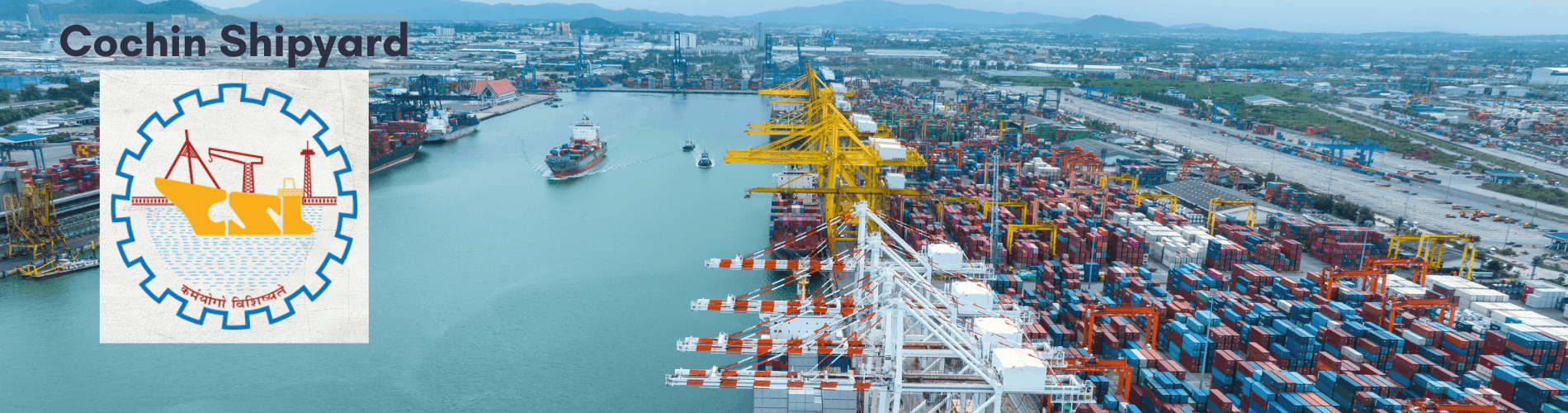
Today, I found myself closely following the market buzz around Cochin Shipyard, and I must say, it’s been quite an interesting day for this state-run shipbuilding giant. The company’s share price surged as much as 6% in early trade on February 17, after the company said it had turned out to be the lowest (L1) bidder for a major defence contract valued at approximately Rs 5,000 crore.
Table of Contents
ToggleAs someone who keeps a close eye on the Indian Navy’s procurement and the defence sector’s investment potential, in this article, I’ll break down what this order really means, the risks involved, and why it may matter to long-term investors like me.
Understanding the Rs 5,000 Crore Order
The project envisages building five Next Generation Survey Vessels (NGSVs). Having tracked Cochin Shipyard’s contracts for a while, I know that L1 is a big deal to be declared; essentially, the company concerned has tendered the lowest-cost solution relative to all bidders.
However, I always remind myself and fellow readers: L1 status does not mean a guaranteed contract. It also says the ultimate award is dependent on the receipt of all regulatory clearances and related processes. In my experience, these processes can sometimes take months, so although the market reaction is good, patience is called for.
Regulatory Approvals: The Next Hurdle
Cochin Shipyard has stated in its exchange filingthat the contract will be concluded after completing all procedural and regulatory approvals. That’s common in defence contracts, but personally, I think that’s a risk factor investors should be aware of.
While I am optimistic, I would suggest tracking updates directly on BSE/NSE filings or the company’s official press releases. You can also read more about older contracts and government tie-ups of Cochin Shipyard.

Recent Wins: A Pattern of Steady Growth
Ironically, this is not only a win worth Rs 5,000 crore. In January 2026, Cochin Shipyard received an order from Polestar Maritime to build two Green Tugs for the Indian Government Green Tug Transition Programme.
These tugboats, each costing between Rs 100–250 crore, are to be delivered by August–September 2027. To my mind, these smaller “notable” orders signal the company’s increasing profile as an enabler of specialised maritime projects, and it’s heartening to see state-run firms embrace sustainable technology endeavours.
The Numbers: How Q3FY26 Shaped My View
I always start by looking at thefinancials first and then determining my investment opinion. Cochin Shipyard’s Q3FY26 performance was a mixed bag:
- Net Profit: Rs 144.6 crore, down 18.3% YoY from Rs 177 crore
- EBITDA: Rs 186.6 crore, down 21.5% YoY
- EBITDA Margin: Narrowed to 13.8% from 20.7%
- Revenue: Rs 1,350.4 crore, up 17.7% YoY
From my perspective, the falling margins don’t give me cause for worry as a short-term trader, but the rising revenues only seem to point to the fact that Cochin Shipyard is still winning contracts and adding them to its order book.
Additionally, the company has also announced a second interim dividend of Rs 3.5 per share, which I think is positive from the management’s side. The record date for the dividend is 3 February, with payment due by or before 26 February 2026.
Stock Performance: My Perspective
Looking at market performance, Cochin Shipyard has been a bit volatile:
- Past 5 trading sessions: ~5% decline
- Last 6 months: ~14% negative return
- YTD 2026: ~9% down
- 1-year return: +21%
- 52-week high: Rs 2,545
- 52-week low: Rs 1,180.20
For me, what I see here is a long-term story and not a short one. Defense contracts are usually slow to materialize, and the true impact on stock price often arrives after execution of a contract and recognition of revenue.
What I’m Watching Closely
If I were to make this personal, here are the factors I’m personally tracking:
- Final contract award: monitoring regulatory updates closely.
- Execution timeline of NGSVs: delays or design challenges can affect profitability.
- Margin trends in future quarters: rising raw material costs or labor expenses could impact profits.
- New order pipeline: repeat orders or additional government projects could be a game-changer.
Why I’m Optimistic, But Cautious
I personally see this Rs 5,000 crore contract as a milestonewhich might raise Cochin Shipyard’s visibility and credibility in naval ship building. The positive share movement today reflects investor sentiment, but I always remind myself and readers to factor in risk, especially with government contracts that have multiple layers of approvals.
According to me, Cochin Shipyard is a long-term growth story. Its history of delivering mega-maritime projects and growing green credentials reflects my own investment philosophy of a government-backed stability and balanced growth.
Final Thoughts
As I reflect on Cochin Shipyard’s trajectory, the Rs 5,000 crore NGSV order seems like a turning point in the company’s defense portfolio. While short-term stock movements may be unpredictable, I personally find value in analyzing contract wins, execution capabilities, and long-term revenue potential.
For any investor like me, the main takeaway from this story is to keep yourself updated, follow approvals closely, and then monitor the company’s execution performance, which is where the real growth story will be played out over the next few years.
Disclaimer
I want to be transparent: this article reflects my personal observations and opinion on Cochin Shipyard and is not financial advice. Investors should do their own research and consult a qualified financial advisor before making any investment decisions. Past performance is not indicative of future results.