
₹35,000-Crore LPG Subsidy for IOC, BPCL, and HPCL: What It Means for India’s Energy boost and Consumers
If there’s one thing I’ve learned while closely tracking India’s energy sector, it’s this: energy policy is never just about fuel. It’s about kitchens, balance sheets, political choices, and the quiet compromises governments make to keep daily life affordable.
Table of Contents
ToggleSo when I first came across reports that the government may extend a ₹30,000–₹35,000 crore LPG subsidy to state-owned oil marketing companies (OMCs), Indian Oil Corporation (IOC), Bharat Petroleum (BPCL), and Hindustan Petroleum (HPCL). I didn’t see it as a routine fiscal move. I saw it as a reflection of how complex and sometimes fragile India’s energy pricing system really is.
This isn’t just about compensating oil companies.It’s about how India is able to handle inflation, protect its consumers and absorb global volatility without spilling it straight into the household budget.
In this article, I delve deeper than the headline to explain why this proposal exists, who it really affects and what it says about India’s energy and fiscal priorities. I describe what is actually going on with LPG pricing, why public oil companies are eating losses and what this move may mean for household budgets, the government’s balance sheet and long-term policy making.
What the ₹35,000-Crore LPG Subsidy Is Really About
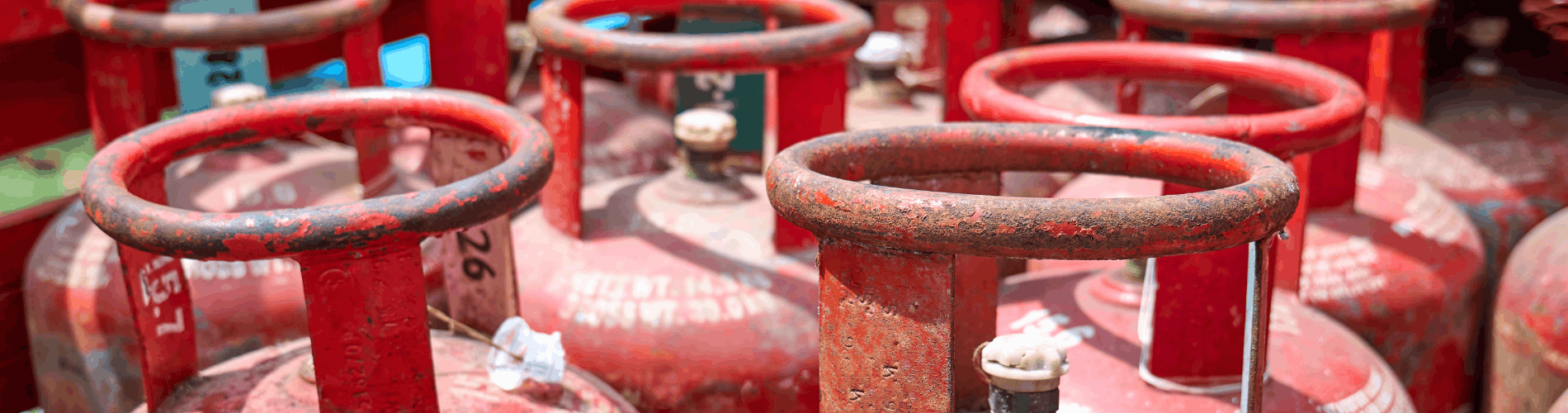
At its core, this proposed subsidy is meant to compensate public sector oil companies for losses they incur while selling domestic LPG cylinders at regulated prices. While international LPG prices fluctuate sharply, driven by crude oil trends, geopolitics, and currency movements, domestic LPG prices in India are deliberately kept under control.
Today, a domestic LPG cylinder is priced at around ₹800 in many cities. But the actual cost of procurement and distribution is often much higher, especially given India’s dependence on imports for over half of its LPG requirement.
Instead of passing on the full cost to consumers, the government expects OMCs to absorb the difference, which the industry calls under-recoveries. Over time, these losses pile up on company balance sheets. This is where budgetary support steps in.
From my perspective, this subsidy is less about generosity and more about damage control.
Why This Is Coming Up Now
Timing matters. And this proposal didn’t appear out of thin air.
1. Global energy prices remain unpredictable
Despite some cooling from earlier peaks, LPG prices internationally remain elevated and volatile. India imports a significant portion of its LPG, exposing domestic pricing to global swings.
2. LPG consumption has structurally increased
Thanks to schemes like Pradhan Mantri Ujjwala Yojana (PMUY), LPG penetration has expanded dramatically. This is a success story, but it also means higher subsidy sensitivity when global prices rise.
3. Oil companies have already absorbed losses
Public OMCs have been carrying LPG losses for multiple quarters. Without compensation, this affects cash flows, capex plans, and even dividend payouts, something both the government and investors pay attention to.
How LPG Pricing Actually Works, And Why It’s Misunderstood
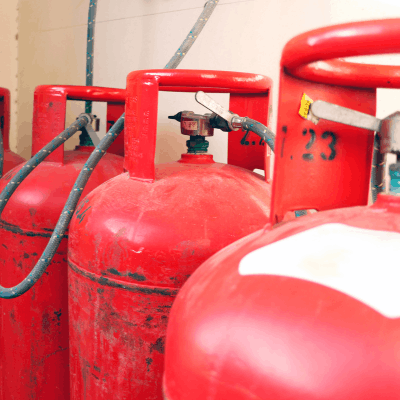
One common misconception I often see is that LPG prices work like petrol or diesel. They don’t.
Petrol and diesel prices are mostly market-linked and change on a daily basis. LPG is looked upon as a social fuel, but I believe it should not be the case. Price hikes are graduated, delayed or cushioned so that they don’t suddenly sock consumers.
The government provides targeted subsidies for eligible PMUY beneficiaries on a per-cylinder basis, which are transferred directly to their bank accounts. But that doesn’t close the gap between market cost and retail price, and it falls to oil companies.
This is why, from time to time, the government compensates OMCs directly instead of raising LPG prices sharply.
What This Means for Households Like Yours and Mine
This is where policy becomes personal.
Stable kitchen budgets
LPG is not an optional expense for millions of families. Stable prices also help households to plan monthly budgets, at a time when they are already pressured by the cost of food and other essentials.
Clean fuel adoption stays intact
If LPG prices rise too sharply, households risk slipping back to biomass or unsafe alternatives. From a public health and environmental point of view, that would be a big step in the wrong direction.
Indirect inflation control
Cooking fuel feeds into overall inflation expectations. A sudden spike in LPG prices can ripple through consumption patterns more than policymakers often admit publicly.
Why the Government Can’t Ignore Oil Companies Either
It’s easy to paint subsidies as corporate bailouts, but that’s an oversimplification. IOC, BPCL, and HPCL aren’t just fuel sellers. They are strategic assets:
- They manage critical fuel infrastructure
- They ensure nationwide supply, even in low-profit regions
- They play a role in energy security during crises
Letting these companies bleed indefinitely weakens the very system the government relies on to deliver affordable energy.
The Fiscal Trade-Off No One Likes Talking About
Here’s where I think the real debate lies. ₹35,000 crore is not a small amount. Every rupee spent here is a rupee not spent elsewhere, on infrastructure, healthcare, or education. Subsidies also risk becoming politically sticky, making future price rationalisation harder.
At the same time, not compensating OMCs isn’t free either. It quietly shifts the burden to company balance sheets, reduces transparency, and can distort long-term investment decisions.
In my view, the question isn’t whether this subsidy is good or bad, but whether it’s paired with structural reforms that reduce repeat dependence on such support.
The Bigger Picture: Where LPG Subsidies Go From Here
Looking ahead, I see three unavoidable realities:
- Targeted subsidies will matter more than blanket support
- Transparency in under-recoveries needs improvement
- Energy pricing reform must be gradual, not abrupt
India has made real progress in targeting benefits better than before. The challenge now is ensuring that short-term relief doesn’t become a permanent fiscal crutch.
Final Thoughts
To me, the ₹35,000-crore LPG subsidy proposal is not a headline about spending, it’s a signal. A signal that India is still navigating the difficult transition between market pricing and social protection.
As someone who tracks these developments closely, I believe this move reflects pragmatism more than populism. It’s an attempt to protect households without destabilising companies that sit at the heart of India’s energy ecosystem. And that balance, however imperfect, is worth understanding beyond just the numbers.
Also Read: India’s Economic Growth Outlook: 7 strong IMF Insights as Global Risks and AI Reshape Growth
Disclaimer
The views expressed in this article are personal and meant for informational and educational purposes only. This content does not constitute financial, investment, or policy advice. Readers are advised to conduct their own research or consult qualified professionals before making financial or investment decisions.