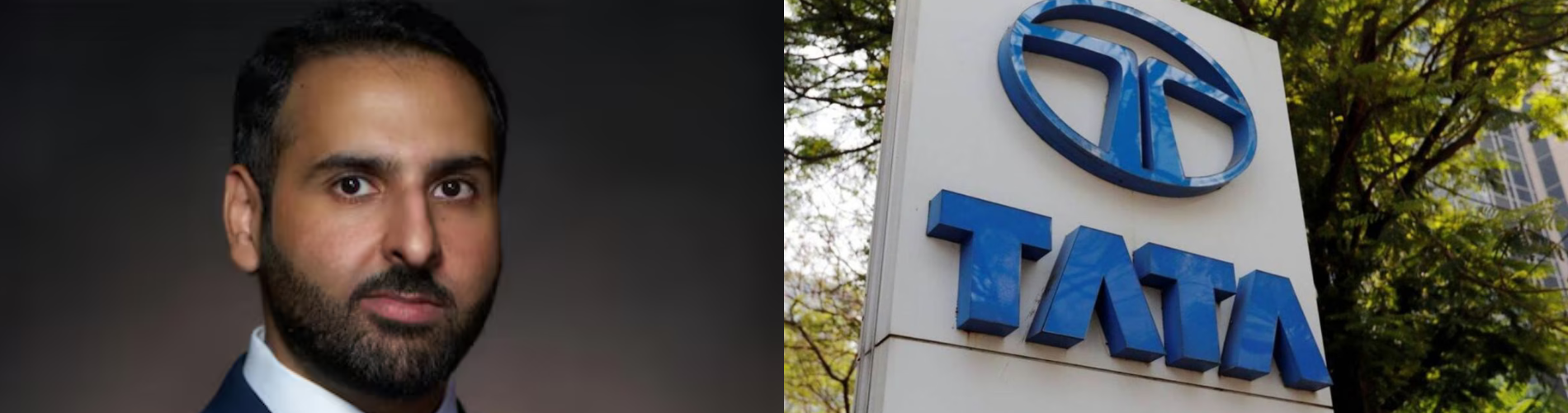
The Tata Group, one of India’s most respected business conglomerates, is once again in the spotlight, this time due to developments within its powerful philanthropic backbone, the Tata Trusts. According to recent reports, Neville Tata is set to join the board of the Sir Ratan Tata Trust (SRTT), a move that could have far-reaching implications for the governance and future direction of the Tata ecosystem.
This development comes at a time when the Tata Trusts are undergoing visible transitions, both in leadership composition and governance philosophy. Let’s break down what this potential induction means, why it matters, and how it fits into the broader Tata Group narrative.
Understanding the Importance of the Sir Ratan Tata Trust
To appreciate the significance of Neville Tata’s induction, it is important to understand the role of the Sir Ratan Tata Trust.
The Sir Ratan Tata Trust, along with the Sir Dorabji Tata Trust, forms the core of the Tata Trusts. Together, these trusts hold a controlling stake in Tata Sons, the holding company of the Tata Group. In effect, decisions taken at the trust level have a direct bearing on the governance, leadership, and long-term strategy of India’s largest business group.
Unlike conventional corporate boards, Tata Trust boards wield influence not only over business matters but also over philanthropy, ethics, and institutional legacy. Any change in trustee composition is therefore closely watched by industry observers and investors alike.
Who Is Neville Tata?
Neville Tata is the son of Noel Tata, the current chairman of Tata Trusts and a key figure in the Tata Group. Neville represents the next generation of Tata leadership, and his gradual induction into trust boards is seen as part of a carefully managed succession and continuity plan.
Previously, Neville Tata was inducted into the Sir Dorabji Tata Trust, which signaled his growing role within the trust ecosystem. His likely entry into the Sir Ratan Tata Trust now strengthens that trajectory and positions him as an influential voice in trust-level decision-making.
This step is not just about lineage; it reflects a deliberate move toward grooming future trustees with long-term exposure to governance responsibilities.
Why This Board Meeting Matters
The upcoming board meeting of the Sir Ratan Tata Trust is significant for more than one reason.
First, Neville Tata’s expected appointment suggests a consolidation of leadership roles within the Tata Trusts. Second, there has been no confirmation regarding the induction of Bhaskar Bhat, a seasoned Tata Group executive whose name had earlier been discussed for a trustee role.
Earlier reports suggested that both Neville Tata and Bhaskar Bhat could be inducted into multiple trust boards simultaneously. However, the current indication is that only Neville Tata’s name is on the agenda—at least for now. This selective approach raises questions about evolving governance priorities within the trusts.
The Larger Context: Governance Changes Within Tata Trusts
Over the past few years, the Tata Trusts have witnessed notable changes and internal differences.
The exit of long-time trustee Mehli Mistry, along with concerns raised by trustees such as Venu Srinivasan, has highlighted differing views on governance practices, tenure, and decision-making authority. These developments underline that the trusts are not static institutions but evolving entities responding to modern governance expectations.
In this context, inducting younger trustees like Neville Tata can be seen as a move toward institutional renewal, ensuring continuity while adapting to changing times.
What This Means for the Tata Group
Although Neville Tata’s induction is technically a trust-level development, its implications extend to the entire Tata Group.
Since Tata Trusts collectively control Tata Sons, trustees indirectly influence:
Leadership appointments at the group level
Strategic investments and divestments
Corporate governance standards
Long-term philanthropic priorities
By inducting Neville Tata, the trusts are potentially ensuring greater alignment between future trustees and long-term group vision. It also signals confidence in grooming leadership from within the Tata family, balanced by professional management at the operating company level.
Succession, Stability, and the Tata Legacy
One of the defining characteristics of the Tata Group has been its emphasis on institutional stability over individual dominance. The careful, phased induction of Neville Tata reflects this philosophy.
Rather than abrupt leadership changes, the trusts appear to be favoring a gradual transition model, where next-generation leaders are exposed to responsibilities early, while experienced trustees continue to provide guidance.
This approach helps preserve the Tata legacy rooted in ethics, philanthropy, and long-term thinking—while preparing the institution for future challenges.
Final Thoughts
Neville Tata’s likely induction into the Sir Ratan Tata Trust may appear, at first glance, to be a routine board appointment. However, in the context of Tata Trusts’ immense influence, it is a development loaded with strategic meaning.
It points to:
A generational transition in trust leadership
Evolving governance structures
A renewed focus on continuity and long-term stewardship
As the Tata Trusts continue to recalibrate their boards, each move will be closely analyzed not just for what it says about internal dynamics, but for what it signals about the future of one of India’s most iconic business institutions.
Also read: https://investikfuture.com/traders-bet-73-chance-trumps-tariffs-will-be-ruled-illegal/