

Precious Gold & Silver ETFs Soar 6% Amid Global Tensions
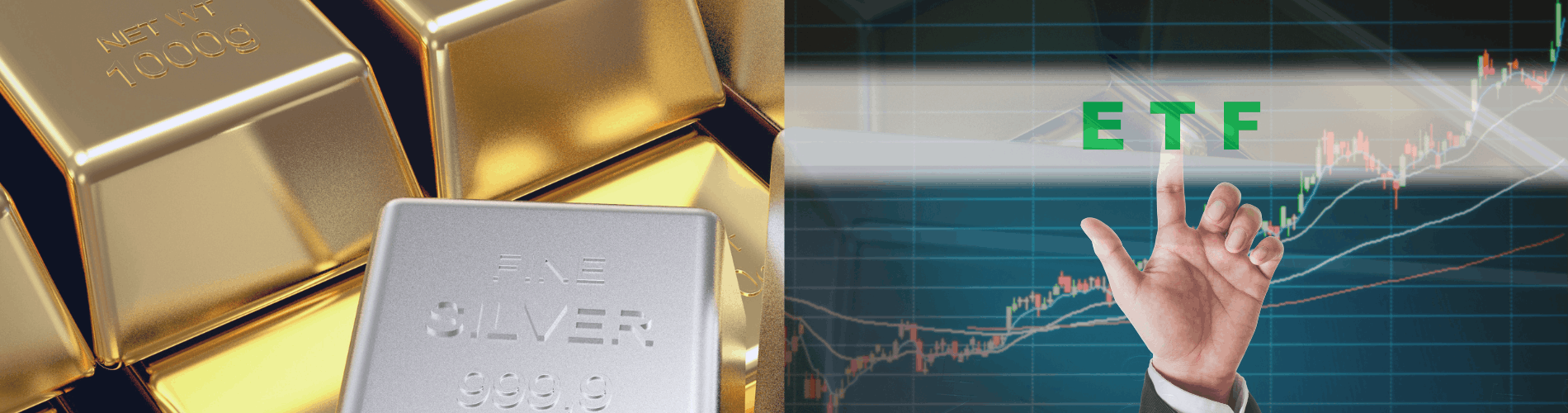
Market days like this always grab my attention. When I opened my dashboard, equity markets were bleeding red, but one corner of the screen was glowing green: precious metal ETFs. While the broader sell-off was obvious, what really stood out was how sharply gold and silver exchange-traded funds were climbing while stocks were sliding.
Table of Contents
ToggleThe Sensex was down nearly 1,000 points, and the Nifty 50 had slipped over 1%. Normally, when indices fall, most sectors follow. But this time, bullion-linked ETFs were moving in the opposite direction, a classic sign of risk-off sentiment.
This article explores that whenever markets face uncertainty, capital doesn’t vanish; it rotates. Investors shift money from risky assets to defensive ones. In this piece, I’ll break down why precious metal ETFs rallied, what’s driving the momentum globally, and what signals I’m personally watching to understand whether this trend could continue.
What I Saw in the ETF Screen
Looking through the top gainers list, silver ETFs were dominating:
- Tata Asset Management silver ETFs spiked sharply
- ICICI Prudential Mutual Fund and SBI Mutual Fund were up more than 6% in their respective funds.
- Products of Nippon India Mutual Fund were also among the strong gainers
Gold ETFs weren’t lagging by far either, as several funds rose from 4% to 5%. Such moves, of course, don’t tend to happen without a macro trigger, so I looked beyond domestic factors.
The Real Driver: Geopolitics, Not Just Markets
The rally was being led mostly by things happening due to global developments. Rising tensions involving the United States, Israel, and Iran pushed investors toward safe assets.
Whenever geopolitical tensions escalate, institutional money typically rotates away from equities and into defensive stores of value, mainly gold and silver. I’ve watched this pattern repeat during wars, sanctions, oil shocks, and diplomatic stand-offs. It isn’t emotional investing; it’s capital protection.
Bullion Prices Confirmed the Trend
ETF rallies usually mirror underlying commodity prices, and that’s exactly what happened.
Gold futures on the Multi-Commodity Exchange opened sharply higher, signalling aggressive buying. Globally, spot prices on COMEX were also trading firmly in positive territory, while silver posted steady gains.
When domestic and international bullion prices rise together, it usually indicates institutional participation rather than retail speculation.

Why Investors Rush to Precious Metals in Crises
Over time, I’ve noticed a predictable investor psychology cycle: When fear rises in the market, investors naturally move toward safety, which often pushes bullion prices higher.
Gold and silver are considered financial insurance. They don’t rely on corporate earnings, GDP growth, or sector performance. Instead, they tend to strengthen when confidence in traditional markets weakens.
Reasons investors rotate into metals:
- Hedge against currency volatility
- Protection from inflation
- Stability during crises
- Diversification benefits
This is why many long-term portfolios keep a small metals allocation, not for explosive returns, but for downside protection.
The Currency Factor Most People Miss
One interesting detail I noticed was that the rupee strengthened slightly against the dollar. Normally, that should soften domestic gold prices because imports become cheaper.
But despite that, gold ETFs still rallied strongly. That told me global fear was overpowering currency effects. When macro risk sentiment dominates, exchange-rate movements become secondary drivers.
What Could Happen Next?
I don’t expect bullion volatility to cool quickly. Precious metals tend to remain sensitive to headlines, especially when:
- Geopolitical tensions persist
- Oil prices climb
- Inflation fears rise
- Central banks signal uncertainty
If crude prices increase because of conflict-related disruptions, inflation expectations could rise globally, historically a bullish backdrop for gold. The real question I’m tracking is not whether metals will fall, but how long uncertainty will last. Duration often matters more than intensity.
My Personal Market Interpretation
This didn’t look like a speculative rally to me. It looked defensive. Speculative moves are usually narrow and short-lived. Defensive rallies typically:
- Involve multiple funds rising together
- Coincide with falling equity markets
- Align with macro risk events
This situation checked all three boxes. That suggests institutional investors weren’t chasing returns; they were hedging portfolios.
Also Read: US Tariff Shift to 15%: Can India Gain A Strong Edge?
Should Retail Investors Chase the Rally?
Sharp price spikes often tempt investors to jump in late. I’ve learned that buying after a surge usually results in poor entries.
Instead, I ask:
- Is this temporary fear?
- Or the start of a prolonged uncertainty cycle?
If tensions ease quickly, metals could retrace. If uncertainty persists, they may remain supported.
Strategy I Personally Prefer
Rather than chasing momentum, I prefer staggered exposure:
- Invest gradually
- Buy on dips, not spikes
- Treat metals as a hedge, not a core asset
Many advisors consider a 5–15% allocation to precious metals reasonable for diversification. The goal isn’t to beat equities, it’s to reduce portfolio shocks.
Key Signals I’m Tracking Now
Going forward, I’m watching:
- Geopolitical developments
- Crude oil trends
- Bond yields
- Central bank guidance
- Inflation data
These indicators usually dictate whether bullion rallies continue or fade.
Final Thoughts
This market phase reinforced something I’ve seen repeatedly: during uncertainty, capital doesn’t disappear; it migrates toward safety. When equities wobble, defensive assets often step into leadership. Right now, gold and silver appear to be carrying that role.
Also Read: 15% Solar Stocks Drop Signals a Bigger Test After US Duties
Disclaimer
This article reflects personal market observations and is intended for informational purposes only. It is not financial advice or a recommendation to buy or sell any securities. Investors should conduct their own research or consult a financial professional before making decisions.