

Rupee Opens at 90.65 Against Dollar: What It Means
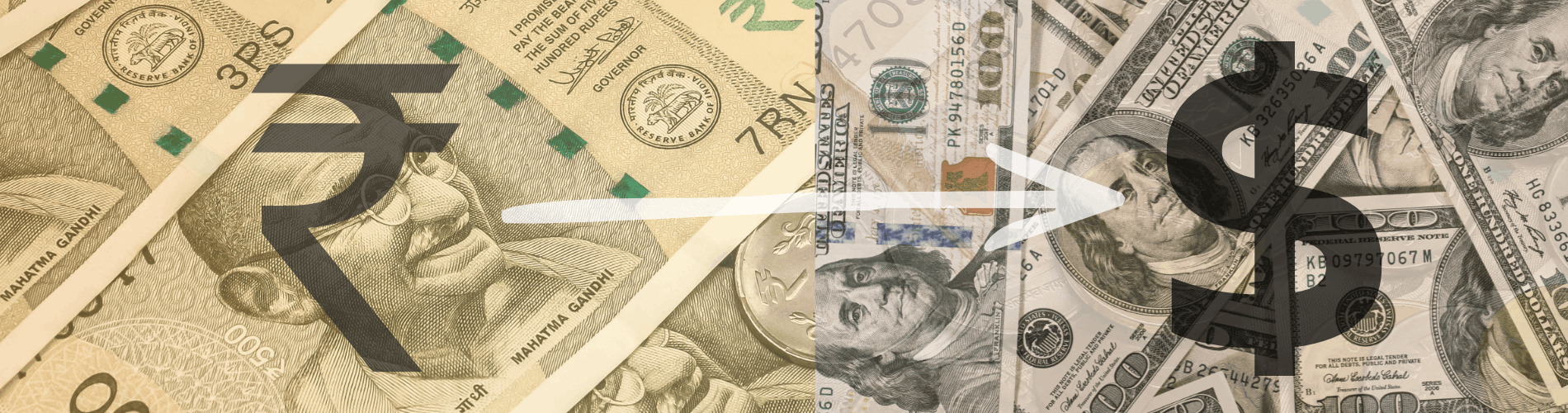
When I checked the currency screen this morning, I noticed something subtle but important: the rupee had opened slightly weaker against the US dollar. The rupee was a touch weaker against the dollar. A 5-paise move might seem trivial at first glance. But as someone who tracks macro signals closely, I’ve learned that small currency shifts often reveal big underlying market sentiment.
Table of Contents
ToggleToday’s movement is not all about exchange rates. It is a story about global inflationary forces, central bank expectations, trader psychology, and the unseen gravitational pull between your nation’s economic policy and international capital flows. In this article, let me break down what I’m seeing and why it matters if you invest, trade, or simply want to understand how the economy is evolving.
What Actually Happened Today
The Indian unit opened marginally lower at around 90.65 per dollar after closing near 90.60 in the previous session. That’s not a dramatic fall, but it’s enough to signal caution among traders. Instead of aggressive buying or selling, market participants seem to be waiting for stronger global cues.
From my perspective, whenever currencies trade in tight ranges, it usually means uncertainty is high. Traders don’t like uncertainty; they prefer trends. So when a currency stalls within a narrow band, it often suggests that investors are holding back until fresh data clarifies direction.
The Real Driver: US Inflation Data
The biggest influence right now isn’t domestic. It’s global, specifically inflation data from the United States.
Recent figures showed consumer price growth cooling to about 2.4% from 2.7% the previous month. That slowdown strengthens expectations that the Federal Reserve may cut interest rates later this year.
Why does that matter for India? Because global capital moves toward higher returns. If US interest rates fall, investors often shift funds into emerging markets where yields may be more attractive. That can support currencies like India’s or at least prevent them from weakening too fast.
Why the Dollar’s Behavior Matters More Than the Rupee’s
One mistake I see many retail investors make is focusing only on the domestic unit. In reality, the rupee’s movement is often a reaction to the dollar, not the other way around.
The US dollar index has remained mostly stable recently, hovering near the mid-90 range. When the dollar pauses rather than rising sharply, emerging-market currencies typically get breathing room.
From my observation, the domestic currency tends to weaken rapidly only when two things happen together:
- The dollar strengthens sharply
- Global risk sentiment turns negative
Right now, neither condition is extreme, which explains the rupee’s narrow trading band.
What Importers Are Doing And Why It Matters
One interesting trend I’m tracking is how importers are behaving. Many are hedging their dollar exposure at current levels because they believe the exchange rate is attractive.
This matters because importer demand can quietly influence currency direction. When firms buy the dollars to hedge, it tends to push up demand for the greenback, which can keep a lid on any rupee strength even when global conditions are supportive.
Put simply, there is a limit to how high the rupee can rise, at least in part due to demand for dollars at home, albeit global cues are undoubtedly supportive of that case.
The Silent Player in the Market
There’s another element that doesn’t make headlines as often but plays a crucial role: intervention by the Reserve Bank of India.
In my experience watching currency markets, I never recall the RBI declaring interventions in such an explicit manner. Instead, traders assume it by noticing that prices suddenly stall near certain levels.
Market chatter suggests the central bank may have sold dollars to avoid too much turbulence recently. If correct, that would suggest policymakers are seeking to preserve a relatively stable rupee instead of allowing large swings. Normally, it is stability that the RBI wants to give preference to, not strength or weakness.
Also Read: Gold Prices Hit Record Highs: 5 Key Factors Driving the Rally and What It Means for Investors
The Range Everyone Is Watching
Right now, many traders believe the rupee may stay within a tight band for the near term. When currencies move inside predictable ranges, short-term traders often shift strategies from trend-following to range-trading.
Personally, when I see a currency stuck in a narrow corridor, I interpret it as a “decision zone.” Markets are essentially saying: We don’t have enough information yet to pick a direction. That’s why upcoming global data releases matter so much.

The Next Big Triggers I’m Tracking
There are two upcoming catalysts I’m paying close attention to:
- Minutes from the Federal Open Market Committee meeting
- Fresh economic growth data from the United States
These releases often act as sentiment drivers rather than just data points. If they reinforce expectations of rate cuts, the dollar could weaken, which might support the rupee. But if they indicate the US economy is stronger than expected, lower rates could be off the table, potentially lifting the dollar and weighing on emerging-market currencies.
What This Means for Investors Like Me
Whenever currency markets enter the kind of holding pattern they’re currently in, I change my strategy from predicting to preparing.
This is how I interpret the current configuration myself:
- Short term: Expect limited movement unless global data surprises markets.
- Medium term: Direction will depend largely on US interest rate expectations.
- Long term: Structural factors like India’s growth, inflation, and capital inflows will dominate.
For investors, the key takeaway is simple: Currencies hardly ever act randomly. Even minor shifts often reflect profound macroeconomic forces.
My Final Take
Right now, the rupee isn’t weak; it’s cautious.
Markets are waiting for confirmation about global interest rates before committing to a direction. That kind of pause isn’t a sign of instability; it’s a sign of uncertainty. And uncertainty, in financial markets, is often the calm before the next major move.
As someone who watches macro indicators daily, I’ve learned that moments like these are less about reacting and more about observing. The smartest investors don’t rush when markets hesitate; they prepare.
Also Read: Union Budget 2026: 10 Key Takeaways Shaping India’s Next Growth Phase
Disclaimer
This article is for informational and educational purposes only and should not be considered financial, investment, or trading advice. Currency markets are highly volatile and influenced by global macroeconomic factors. Always conduct your own research or consult a qualified financial advisor before making investment decisions.