
When I checked the bond market this morning, I noticed something subtle but important: US Treasury yields barely moved. At first glance, that might sound uneventful. But as someone who tracks macro signals daily, I’ve learned that when markets don’t react strongly to big economic data, that’s often the real story.
In this article, I will walk you through what I’m seeing, why it matters, and how I interpret it as an investor.
The Quiet Movement That Caught My Attention
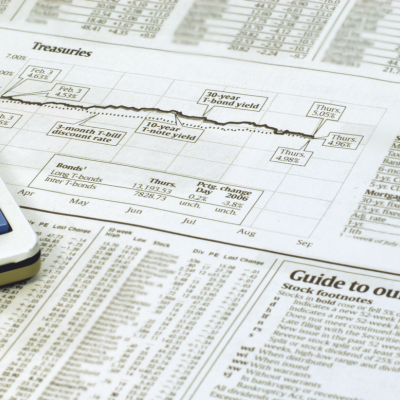
The benchmark 10-year yield slipped slightly to around 4.17%, while the 2-year yield climbed above 3.53%. Meanwhile, the 30-year yield eased near 4.83%. These are tiny moves, measured in basis points (1 basis point = 0.01%), but they still reveal how traders are positioning themselves.
Whenever I see short-term yields rising while long-term yields stay flat or fall, I immediately think: markets are reassessing growth expectations and interest-rate timing.
Bond yields and prices move inversely, so these shifts suggest traders are making cautious adjustments rather than bold bets.
Why the GDP Number Matters More Than It Looks
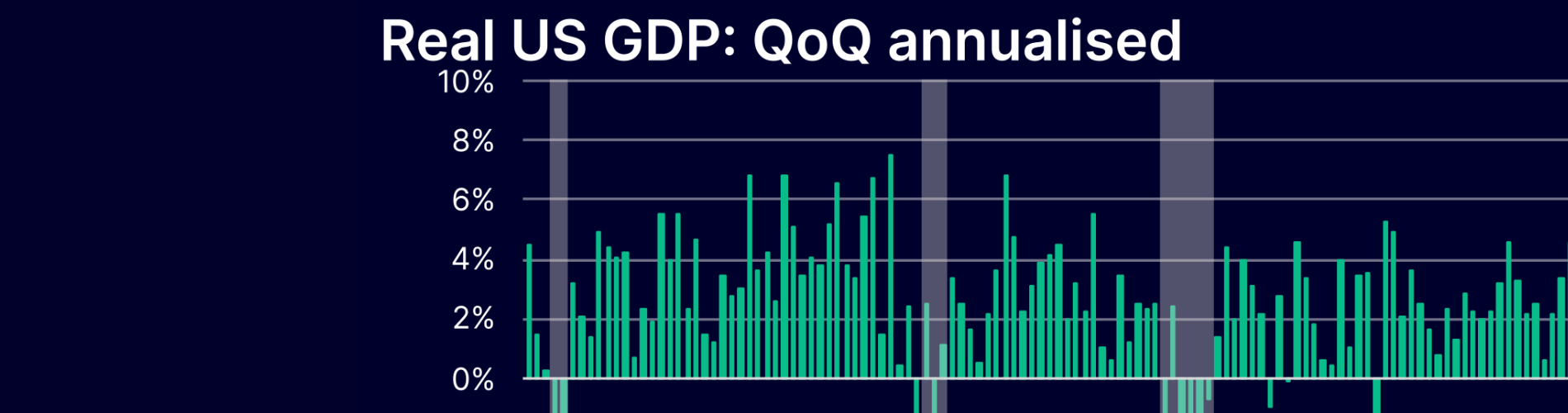
The latest data from the U.S. Commerce Department showed the U.S. economy grew at a strong 4.3% annualized pace in the third quarter. That’s significantly above the 3.2% estimate compiled by Dow Jones.
On paper, that’s impressive growth. But here’s my honest reaction: I don’t just look at the number, I look at the timing.
This report was delayed because of a government shutdown, which means the data reflects past conditions rather than the current environment. Markets already know growth was strong earlier in the year. What traders really care about is whether that strength is sustainable.
My Interpretation: Strong Past, Uncertain Future
Whenever GDP beats expectations, but yields barely move, I read it as a sign that investors don’t think the surprise changes the bigger picture.
In my view, traders are asking:
- Will growth stay this strong?
- Will inflation return?
- Will the Federal Reserve delay rate cuts?
The bond market is forward-looking. So if yields don’t jump after strong GDP data, it often means investors believe the strength might fade.
Main Street vs Wall Street: A Gap I’m Watching
One comment that stood out to me came from Bret Kenwell of eToro. He noted that while GDP looks solid, consumer sentiment has weakened, hitting its lowest level since April. That disconnect matters a lot.
Strong GDP spurred by spending can hide underlying stress if consumers are tapping savings or credit. If confidence is sliding while growth appears robust, it’s often a sign of a turning point on the horizon.
In my experience as an investor, these divergences are when the opportunities and risks start to crystallise.
Also Read: Trump Tariffs Could Threaten $86B India-U.S. Trade
Why Bond Markets Are Being So Careful Right Now
There are three reasons I think bond traders are holding back from making big moves:
- Policy uncertainty: The tariffs, the debate about fiscal policy, and election-cycle politics have investors on edge.
- Inflation still lingers in the background: Markets already understand that even if inflation has cooled, it can reaccelerate quickly.
- Holiday-week liquidity: With Christmas near, bond markets close early and trading is thin. Low liquidity usually results in quiet price moves.
What I Personally Watch Instead of Headlines
Most headlines focus only on whether yields rise or fall. But I pay attention to deeper signals:
- Yield curve shape
- Short vs long maturity spreads
- Real vs nominal yields
- Inflation expectations
These indicators tell me why yields move, not just that they moved.
The Hidden Signal in the 2-Year Yield Jump
The most interesting move today wasn’t the 10-year; it was the 2-year. Short-term yields tend to track expectations for Federal Reserve policy. When they rise, markets are often pricing in:
- Higher-for-longer rates
- Delayed rate cuts
- Persistent inflation risks
So even though long-term yields dipped slightly, the rise in short-term yields tells me traders are not fully convinced that rate cuts are coming soon. That’s a subtle but important message.
How This Impacts My Investment Strategy
When the bond markets are giving mixed signals, I start to think defensively. I don’t panic or chase moves. Instead, I focus on:
- Asset allocation balance
- Duration risk in bonds
- Equity valuations vs interest rates
If yields stay elevated, growth stocks often struggle because future earnings become less valuable when discounted at higher rates.
The Bigger Picture Most Investors Miss
Here’s something I’ve learned after years of tracking macro data: Markets don’t react to data. They react to surprises relative to expectations. Yes, GDP beat forecasts. But investors had already priced in strong growth. So instead of excitement, we saw restraint.
That tells me markets are currently more concerned about what comes next than what already happened.

Why Timing Matters More Than Data
One of the biggest mistakes I see investors make is reacting to backward-looking indicators. GDP, employment reports, and inflation releases describe what already happened. But asset prices move based on expectations about the future.
That’s why I always ask: “Does this data change the future outlook?” In this case, the answer seems to be: not really.
What I’m Watching Next
If you want to think like a macro investor, these are the next signals worth tracking:
- Upcoming inflation reports
- Fed policy commentary
- Consumer spending trends
- Treasury auction demand
Any of these could shift yields far more than today’s GDP release did.
My Final Take
To me, today’s muted Treasury movement isn’t boring, it’s revealing. It tells me:
- Markets expected a strong GDP
- Investors remain cautious
- Policy uncertainty is still high
When markets react quietly to big news, it often means they’re waiting for something bigger. And as an investor, I’ve learned that those waiting periods are when the smartest positioning happens.
Also Read: UK Stocks Beat US Stocks In 2025; More Growth Expected In 2026.
Disclaimer
This article is for informational purposes only. I am simply providing my own observations and interpretation of the market. It is not financial advice, investment suggestions, or a recommendation to buy or sell securities. Always do your own research or consult a financial advisor before investing.

Himani Soni
I’m Himani Soni, a finance content strategist with 2+ years at Investik Future. I decode market trends and simplify complex investing concepts into clear, actionable insights for the everyday investor.