

When I first read that Zepto had confidentially filed for an IPO, my immediate reaction wasn’t excitement; it was curiosity. Not because IPOs are rare anymore, but because this one felt like a signal. A signal that India’s quick-commerce race is entering a new phase, one where speed, scale, and survival will collide.
And honestly, the more I dug into it, the more I realised this isn’t just another startup funding story. It’s a test of whether the ultra-fast delivery model can actually become profitable or whether we’re watching a bubble inflate in real time.
In this article, I’ll break down what Zepto’s confidential IPO filing really signals, how competition in India’s quick-commerce space is intensifying, why massive funding is both a strength and a risk, and whether this sector is heading toward sustainable growth or a potential valuation bubble. More importantly, I’ll share my personal analysis of what investors, founders, and consumers should actually watch next.
Why Zepto’s IPO Filing Matters More Than It Looks
Zepto is reportedly planning to raise around ₹11,000 crore in fresh capital. That’s not a small number, even in today’s funding environment. The company was last valued at about $7 billion, according to Tracxn, which means investors are still willing to place big bets on quick commerce despite rising losses across the sector.
What stood out to me most wasn’t the amount; it was the method. Zepto chose the confidential filing route, something increasingly popular among tech firms that want flexibility before public listing. This allows them to test regulatory feedback privately and avoid premature scrutiny.
That’s a strategic move. It tells me Zepto wants to control the narrative before markets do.
The Quick-Commerce War Is Getting Brutal
I’ve been tracking India’s delivery ecosystem for years, and I can confidently say the competition has never been this intense.
Quick commerce deliveries in 10 to 15 minutes have become one of the most aggressive battlegrounds in Indian consumer tech. Giants and startups are colliding head-on:
- Amazon has doubled down with its rapid delivery push.
- Founded by Jeff Bezos, the company rolled out a 15-minute service across major cities.
- Flipkart, backed by Walmart, launched its own quick-delivery offering.
- Early movers like Swiggy and Zomato (via Blinkit) already have established logistics networks.
From my perspective, this is no longer just competition; it’s an arms race. Warehouses are moving closer to neighbourhoods, delivery radii are shrinking, and discount wars are intensifying.
Also Read: NSE and Zomato’s Financial Literacy Drive for 50,000 Gig Workers
What Investors See That Consumers Don’t
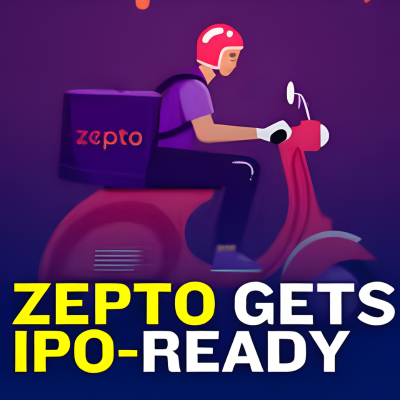
Consumers love quick commerce because it feels magical. Tap a button, and groceries arrive before your coffee finishes brewing. But investors see something else entirely: cost structures.
Maintaining hyperlocal warehouses, employing riders, subsidizing deliveries, and offering discounts creates a brutal financial equation. According to LSEG, several companies in this space are reporting widening losses, not narrowing ones.
That’s where the tension lies. If companies keep burning cash to gain market share, they risk long-term sustainability. But if they slow spending to improve profitability, they risk losing customers to faster rivals. It’s a classic growth versus survival dilemma.
The Expansion Strategy That Could Decide Everything
One detail that caught my attention was how aggressively companies are expanding their infrastructure.
For instance, Amazon’s India leadership, including executive Samir Kumar, has talked about building hundreds of micro-fulfilment centres in metro cities. That kind of infrastructure investment signals long-term commitment.
To me, that suggests quick commerce isn’t a passing trend. It’s becoming a foundational layer of e-commerce logistics. But here’s the catch: infrastructure-heavy models usually take years to become profitable. Investors betting on quick commerce today are essentially betting on future dominance, not current earnings.
Are We Watching a Funding Bubble Form?
This is the question I kept coming back to while researching. Industry insiders themselves have raised concerns. Even Albinder Dhindsa, speaking in an interview reported by Bloomberg, warned that relentless fundraising can only cover losses for so long.
That statement matters. When leaders inside a booming sector start talking about limits, it usually means capital efficiency is becoming a priority. In simple terms, investors may soon demand profits instead of promises.
Analysts like those at Elara Capital estimate quick commerce could grow from about 10% of India’s e-commerce market today to as much as 40–50% over time. That’s huge upside potential, but projections don’t guarantee profitability.
My Take: This Isn’t Just an IPO Story, It’s a Stress Test
Personally, I don’t see Zepto’s filing as just another startup milestone. I see it as a stress test for the entire quick-commerce ecosystem.
If Zepto’s IPO succeeds and investors reward it with strong valuation multiples, the sector could witness:
- More IPO filings
- Higher funding rounds
- Faster expansion
- Even fiercer competition
But if the market reacts cautiously, or worse, negatively, it could trigger a domino effect:
- Valuations compress
- Funding slows
- Consolidation begins
In other words, Zepto’s listing might determine whether this industry accelerates or stabilises.
The Profitability Question No One Can Ignore
Let’s talk numbers.
Reports suggest Zepto’s losses widened significantly year-on-year. Similar trends have appeared across competitors. That’s not unusual for growth-stage startups, but public markets are less forgiving than venture capital investors.
Private investors tolerate losses because they’re betting on scale. Public shareholders, however, often demand a clearer path to profitability.
This is why I think Zepto chose the confidential filing route; it buys time to refine financial narratives before public scrutiny begins.

What I’m Watching Next
As someone who tracks markets closely, these are the signals I’m personally monitoring:
- IPO pricing band: Will it be aggressive or conservative?
- Institutional demand: Are big funds participating?
- Unit economics disclosures: Delivery cost vs. order value.
- Customer retention metrics: Repeat users matter more than downloads.
- Cash runway: How long can expansion continue without new funding?
These factors will reveal whether quick commerce is a durable business model or just a capital-fuelled growth story.
Final Thoughts
After analysing all the signals, here’s my honest view: Zepto’s confidential IPO filing isn’t just a company milestone, it’s a turning point for India’s fastest-growing consumer tech sector. The quick-commerce race has reached a stage where speed alone won’t win. Efficiency will.
And that’s why this IPO matters. It will show whether public markets believe in the 10-minute delivery dream or whether they want proof before funding it. Either way, we’re about to find out.
Also Read: Baidu Kunlunxin IPO Signals 6× AI Growth Potential
Disclaimer
This article is for informational and educational purposes only and does not constitute investment advice, financial advice, or stock recommendations. Readers should conduct their own research or consult a qualified financial advisor before making investment decisions.

Himani Soni
I’m Himani Soni, a finance content strategist with 2+ years at Investik Future. I decode market trends and simplify complex investing concepts into clear, actionable insights for the everyday investor.