
When I look back at the past year in global pharma, a few stories have grabbed my attention, like Novo Nordisk. Not long ago, it was the darling of the stock market, a symbol of the booming anti-obesity drug revolution. Today, it’s navigating one of the toughest transitions in decades, as investors weigh competition, regulatory approvals, and consumer preferences in the U.S. market.
In this article, I’ll share how I see Novo’s 2026 outlook, why the U.S. market is critical, and which metrics I’m personally tracking as an investor.
A Harsh Reality Check
Novo’s story of growth had been one of seemingly unstoppable expansion over the years. But by 2025, the reality had set in. The stock fell 25%, the most in a year, since its debut more than three decades ago on the Copenhagen Stock Exchange. Several factors contribute to this decline:
- Repeated downward guidance revisions
- Intensifying competition from Eli Lilly
- Executive leadership transitions
- An influx of less expensive, copycat generic drugs in the United States
Looking at this slide, I couldn’t help but think how far a market darling can fall from grace and how crucial the next few moves would be.
An ‘Early Gift’ to Investors
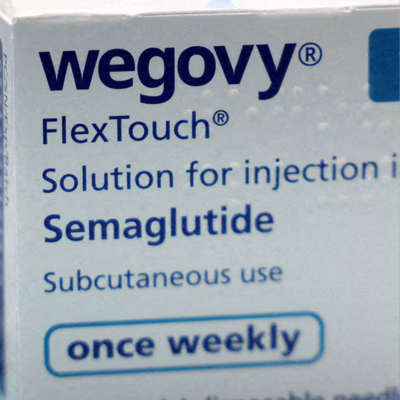
Just as sentiment seemed darkest, Novo scored a win: approval of its oral Wegovy pill by the U.S. Food and Drug Administration in December 2025.
The market reacted quickly, and shares surged nearly 10 percent in a day. From my perspective, this isn’t just a product launch, it’s a potential game-changer. Analysts, including Soren Lontoft Hansen, have noted that this could help Novo regain market share lost to competitors over the past year. I see it the same way.
Pills vs. Injectables: A Strategic Advantage
Here’s what fascinates me: Novo’s oral pill could redefine patient adoption. Traditionally, patients had to choose between convenience and efficacy. Now, clinical trials suggest patients achieve an average 16.6% body weight reduction over 64 weeks, roughly matching the injectable version.
For comparison, Eli Lilly’s oral competitor, orforglipron, averages 12.4% weight reduction over 72 weeks. This data makes me optimistic about Novo’s ability to maintain a competitive edge in efficacy while offering the convenience of a pill.
From an investor lens, pills also simplify distribution, lower cold-chain requirements, and potentially accelerate entry into new global markets.
The Zepbound Challenge
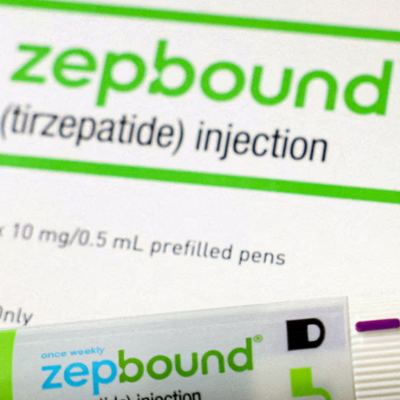
No story about Novo is complete without Eli Lilly. Their weekly injectable, Zepbound, has captured roughly 15–20% of the U.S. obesity drug market share since launch and also displaced Novo in several key segments
Lilly’s marketing emphasizes maximum weight loss, while Novo has historically positioned Wegovy as part of a broader health strategy, highlighting benefits for liver, kidney, and heart health. From my perspective, this narrative difference matters immensely in the U.S., where patients are often motivated by headline weight-loss results.
Higher-Dose Wegovy: A Potential Game-Changer
Novo isn’t standing still. It has filed for FDA approval of a higher-dose injectable (7.2 mg), which trials show could deliver 20.7% average weight loss, putting it on par with Zepbound.
For me, this is a key catalyst to watch in 2026. Approval and successful adoption of this dose could neutralize Lilly’s messaging advantage and restore confidence among prescribers and investors alike.
Why the U.S. Consumer Market Is Critical
Unlike many blockbuster drugs, weight-loss medications in the U.S. are heavily consumer-driven. Patients decide which product to try, and insurance coverage varies widely. That means:
- Branding matters more than ever
- Adoption driven by convenience (oral pills vs injection)
- Perceived effectiveness drives demand
As an investor, this is why I pay attention to both the data in the clinic and patient behaviour trends. If Novo can manage the balance between efficacy and access, the opportunity for growth may be significant.
Also Read: European Markets Set To Open Higher Amid Geopolitical Focus
Metrics I’m Watching Closely in 2026
As an investor, here’s what I’ll personally monitor:
- Oral Wegovy pill adoption percentage
- FDA approvals of rivals’ therapies (timing and adoption)
- U.S. market-share trends in obesity treatments
- Pricing pressure and discounting in the consumer segment
- Pipeline expansion for obesity-related co-morbidities
Even small changes in these metrics could significantly impact Novo’s stock trajectory.
Final Thoughts
To me, Novo Nordisk is not a fallen giant, but rather a company in transition. Yes, the competition was steep, and investor confidence has been shaken. But pharma innovation cycles are long, and 2026 could easily be the year when market share and growth inflection occur.
If Novo executes its pill strategy, leverages higher-dose injections, and aligns messaging with patient priorities, I think the company could lead once more, making it a story worth keeping track of.
Also Read: Rio Tinto & Glencore Resume Bold $260B Merger Talks
Disclaimer:
This article is for educational purposes only and offers some of my own personal analysis and opinions on the subject matter and should not be construed as investment or financial advice. Always conduct your own research or consult a qualified financial advisor before making investment decisions.

Himani Soni
I’m Himani Soni, a finance content strategist with 2+ years at Investik Future. I decode market trends and simplify complex investing concepts into clear, actionable insights for the everyday investor.