
Gen Z in the UK is facing a tough start to their careers, something I can relate to from my own first job experience. I still remember the rush of nerves when I handed in my first resume. Heart pounding, I wondered if anyone would take a chance on me. I wasn’t just searching for a job, I was looking for a sense of purpose, a way to prove to myself that I could step into the wider world.
Fast forward to today, and it’s clear that many young people entering the workforce are facing more than just economic headwinds they’re struggling against a deeper challenge: they aren’t being equipped with the real-world readiness that used to come naturally through everyday experiences.
In this article, I’ll explore why the first-job journey feels harder than ever, and most importantly, what we families, communities, educators, and young people themselves can do to change that.
The Scope of the Problem: Numbers That Tell a Story
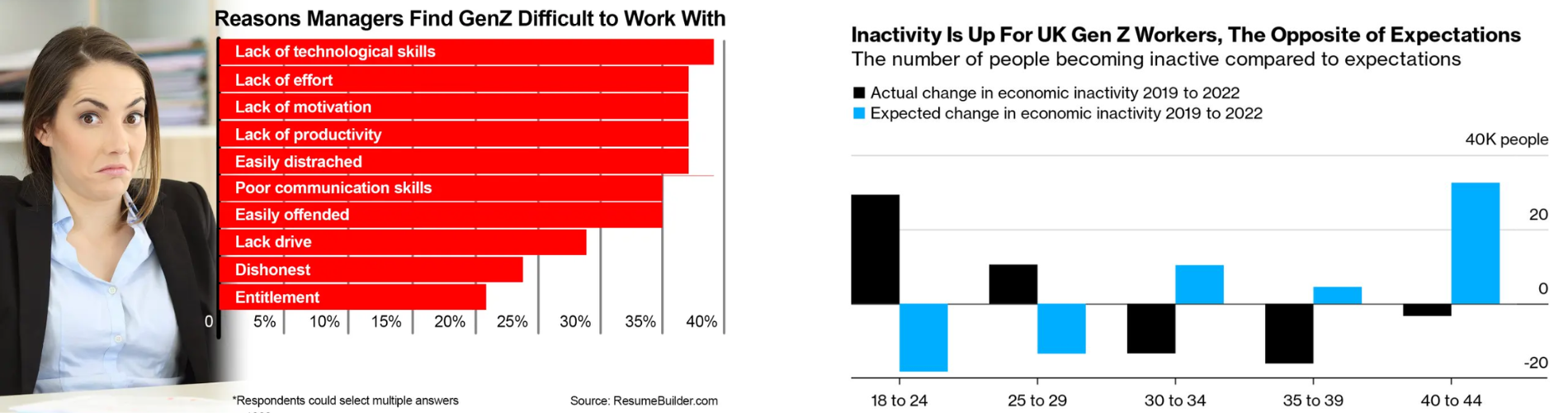
It’s easy to point to numbers. In the UK, nearly 946,000 young people aged 16–24 were classified as NEET, not in education, employment, or training, in mid-2025, accounting for about 12.7% of that age group
But numbers alone do not tell the human tale: it reflects the anxiety, lost opportunities, and unravelling confidence. Especially striking is the proportion of these NEETs that are “inactive” and therefore not actively seeking work. The latest Office for National Statistics figures showed approximately 569,000 young people were NEET and economically inactive, while 354,000 were unemployed but seeking work.
This tells me that the challenge isn’t just about the number of jobs available, it’s also about lack of readiness, confidence and access to real-world experience.
Also Read: India-EU FTA: What a $50 Billion Trade Opportunity Means for the Next Decade
The Lost Curriculum of Everyday Life
Before Covid, millions of young people learned critical life skills without even realizing it. Saturday shifts, paper rounds, babysitting, and part-time local jobs taught them lessons about responsibility, punctuality, communication, and perseverance.
During the pandemic, much of that informal “training” disappeared. Classrooms turned virtual. Social events became Zoom meetings. First jobs were replaced by endless online applications, often filtered by AI systems.
The impact shows in the numbers: with nearly 400,000 young people actively seeking work but unable to find entry-level positions, it’s clear that even when jobs exist, young people are missing the skills to step in confidently.
Also Read: AI Boom in India: 3 Structural Wins Transforming Mid-Caps
Soft Skills Matter, More Than Ever
I’ve mentored younger professionals, and one thing is painfully obvious: having a degree or technical knowledge is only part of the story. Employers repeatedly highlight a gap in soft skills such as teamwork, professional etiquette, and communication.
The pandemic compounded this. Without in-person schooling or part-time work experience, young people missed out on learning how to work in teams, follow directions, manage deadlines, and build confidence in real-world situations. This is why firms from local businesses to Big Four companies have introduced soft skill programs and resilience training for their youngest recruits.
The Digital Job Hunt Dilemma
Job hunting has become highly digitised. Many young applicants submit dozens, sometimes hundreds, of CVs online, with no response in return. Some even use AI-generated CVs.
The result is a depersonalised process that can be demotivating. I often tell young professionals: “Apply less, but apply smarter. And don’t let technology replace your presence.”
Human interaction still counts. Walking into a local shop with a CV, speaking directly to a manager, and pitching yourself in person builds confidence, resilience, and visibility, things that numbers and online portals can’t replicate.
Practical Steps for Gen Z Job Readiness
If the problem is deeper than unemployment numbers, the solution has to be more than just creating jobs. Here are steps that can make a real difference:
- Revive Work-Ready Experiences: Young people need structured opportunities to practice accountability, communication, and responsibility. Examples include:
- Internships and apprenticeships
- Volunteering in community projects
- Micro-business involvement
These work opportunities reflect the actual workplace and bridge the barrier of education‐employment.
2. Bridge the Classroom, Workplace Gap: We value theory, but hands-on projects provide real-world lessons:
- Group assignments with deadlines
- Presentations to peers or external audiences
- Problem-solving tasks
Project-based learning emulates real-world settings and promotes self-assurance and skill.
3. Lean Into Local Opportunities: Big companies are attractive, but tiny local businesses offer on-the-ground experience. Mom-and-pop shops, cafés, and workshops provide:
- Customer interaction experience
- Direct feedback on performance
- Responsibility for real tasks
Even a few weeks of experience on the ground can help build resilience and open doors to future roles.
4. Mentorship Matters: Support networks are critical. Guidance from mentors, family, teachers, or community leaders can make job hunting less abstract and more navigable.
5. Acknowledge the Reality, Without Losing Hope: AI, automation and global competition are not going anywhere. But the underlying experiences of responsibility, teamwork and communication can still be developed through deliberate motions.
Shift the mindset from: “What job can I get?” to “What experience will help me grow?” This subtle reframing transforms frustration into purpose.

Personal Reflection
I still think back to my first job, not because it was glamorous, but because it was formative.I learned how to:
- Interact with customers
- Take direction without resentment
- Balance responsibility with humility
- Earn a paycheck through persistence
These lessons weren’t taught in school. They shaped not just my career, but my confidence to pursue bigger challenges. That’s what every young person deserves today.
Final Thoughts
The barriers Gen Z faces in the UK aren’t just economic; they’re developmental, social, and experiential. But the path forward exists. By reconnecting young people to experiences that build confidence and practical skills, we can help them navigate the modern job market successfully.
Also Read: AI In 2026: Money Makers Vs Tech Builders
Disclaimer
The views expressed in this article are based on personal experience and general economic observations. They are not intended as financial, career, or professional advice. Individuals’ experiences may vary.

Himani Soni
I’m Himani Soni, a finance content strategist with 2+ years at Investik Future. I decode market trends and simplify complex investing concepts into clear, actionable insights for the everyday investor.