

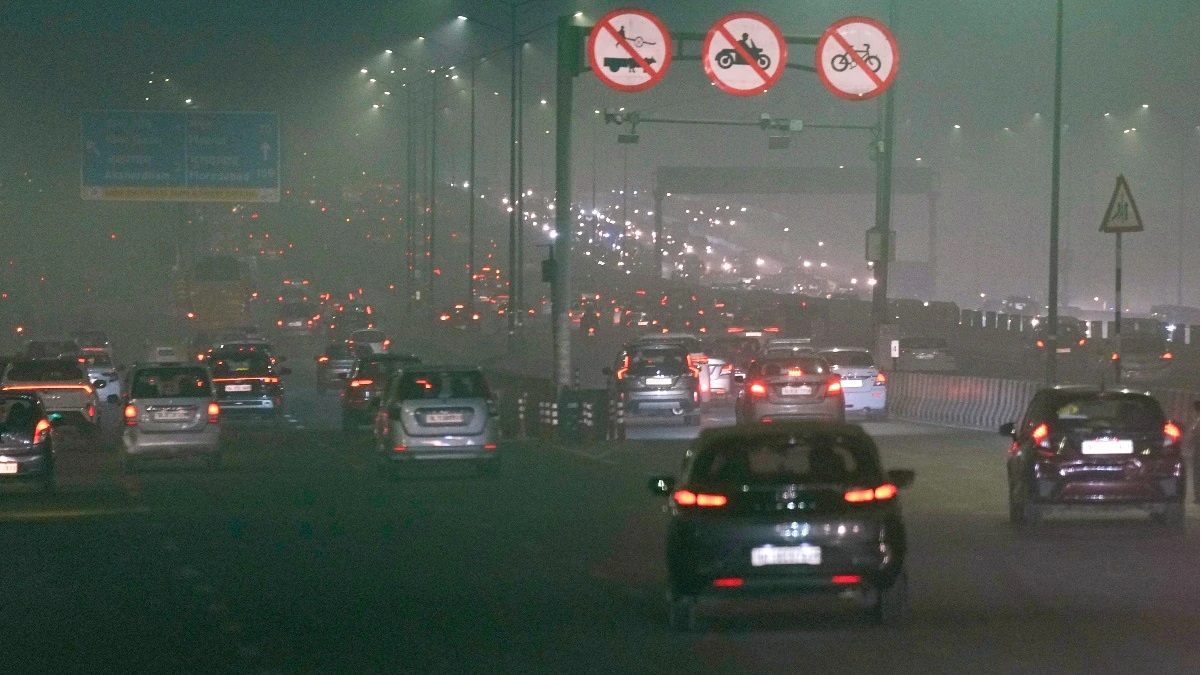
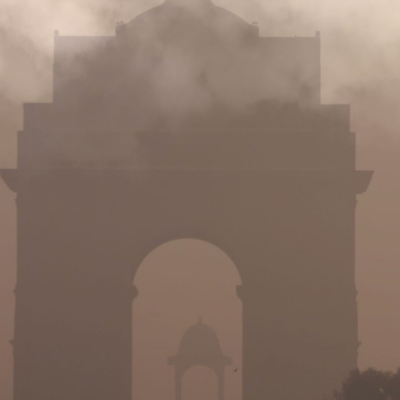
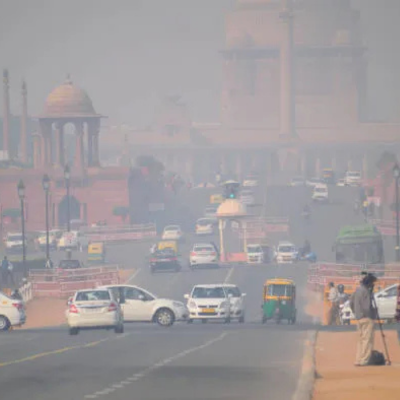
I’ve lived in Delhi long enough to recognise that moment when the air stops being invisible. It’s when your eyes sting during a short walk, when your throat feels dry even after water, and when the skyline disappears behind a grey haze. This week, that feeling returned with force as Delhi’s Air Quality Index (AQI) breached the “severe plus” category, touching 457 on Sunday evening.
By Monday morning, GRAP-IV restrictions were officially in place. And once again, the city shifted gears, not because it wanted to, but because it had to.
This article examines how Delhi’s air quality entering the “severe plus” category has led to the implementation of GRAP-IV restrictions and affected daily lives across the city. It clarifies what those emergency measures mean for the public, from bans on vehicles and school closures to work-from-home advisories, while also contemplating the cycle of Delhi’s air pollution crisis.
What Triggered GRAP-IV This Time?
Delhi’s air quality deteriorated sharply in a few days and crossed the level that automatically triggers the toughest emergency measures under the Graded Response Action Plan (GRAP), according to the Commission for Air Quality Management.
What stood out this time wasn’t just the AQI number; it was how uniformly bad the pollution was across the city. Almost every monitoring station reported AQI levels above 400, with areas like Bawana, Ashok Vihar, and Wazirpur recording some of the worst figures.
For residents, this wasn’t just another statistic. It was a clear signal that normal life would be disrupted again.
What GRAP-IV Restrictions Mean on the Ground
GRAP-IV isn’t symbolic. It’s operational, and its impact is felt immediately.
1. Truck and Vehicle Bans
One of the first visible changes is on the roads. Under GRAP-IV:
- All trucks, except those providing essential services, are barred from entering Delhi.
- Diesel-operated BS-IV and older Medium and Heavy Goods Vehicles are prohibited from operating within the city.
For logistics, delivery services, and small businesses dependent on transport, this creates delays, but it’s considered necessary to reduce immediate emissions.
2. Odd-Even and Work From Home Discussions
The CAQM has asked the Delhi government to consider:
- Implementing an odd-even vehicle scheme
- Allowing public and private offices to function at 50% capacity
- Encouraging work from home, including for central government offices (subject to approval)
For working professionals like me, this brings mixed feelings. While work-from-home reduces exposure and traffic, it also reminds us that pollution has once again forced lifestyle changes rather than long-term solutions.
3. Schools Shut, Classes Move Online
Primary schools have been ordered to remain closed, with online classes continuing after the imposition of Stage III earlier. Classes 6–9 and 11 may also shift online depending on further assessment.
For parents, this creates logistical challenges. For children, it means yet another interruption in social learning, something we’ve seen too often in recent years.
Who Is Most at Risk Right Now?
The advisory from CAQM was clear and sobering. Elderly people, children, and those with respiratory or cardiovascular conditions have been urged to stay indoors as much as possible.
This is not a casual suggestion; it’s a health warning. Long-term exposure to air in the “severe plus” category can worsen asthma, provoke heart conditions and reduce lung function even among otherwise healthy people.
Also Read: NSE and Zomato’s Financial Literacy Drive for 50,000 Gig Workers
Public Transport Steps In, But Is It Enough?
To decrease the use of private vehicles, authorities have issued a call for citizens to:
- Use public transport
- Carpool wherever possible
In response, the Delhi Metro has added 60 additional trips to accommodate higher passenger volumes.
While this is, of course, a positive step, working in the short run, it highlights an issue that’s even more pressing: emergency measures fill the void left by sustainable urban solutions that ought to already be there.
Why This Keeps Happening Every Year
As someone who tracks policy and development closely, what frustrates me most is the predictability of it all.
Every winter, we:
- Wait for AQI to spike
- Impose emergency measures
- Adjust daily life
- And then repeat the cycle next year
Factors like stubble burning, vehicular emissions, construction dust, and unfavourable weather conditions are well known. Yet, long-term mitigation remains slow.
GRAP-IV is necessary, but it’s reactive, not preventive.
The Human Cost Behind the Numbers
It’s easy to talk about AQI, restrictions, and policy decisions. But living through GRAP-IV means:
- Cancelled outdoor plans
- Children confined indoors
- Daily commuters worry about their health
- Gig workers are losing income due to mobility restrictions
Pollution doesn’t affect everyone equally. Those who can buy air purifiers, use private healthcare or work from home cope better. Others don’t have that choice. And that’s the uncomfortable truth we rarely address.
What Can We Do, Individually and Collectively?
While systemic change must come from governments and regulators, individual choices still matter:
- Avoid unnecessary travel
- Use public transport when possible
- Reduce personal vehicle use
- Stay informed, not indifferent
Simultaneously, we need to ask for accountability and not only emergency solutions.
Final Thoughts
GRAP-IV curbs are a reminder that Delhi’s air quality emergency has ceased to be seasonal; it is structural. Every “severe plus” episode chips away at our health, productivity, and quality of life.
As a resident, I comply with restrictions because I must. As a citizen, I hope we reach a point where breathing clean air isn’t treated like a temporary privilege. Until then, Delhi adjusts, adapts, and waits for the wind to change, literally and metaphorically.
Also Read: Biggest Premarket Stock Movers: Breaking Down 6 Major Stocks from UiPath to Intel
Disclaimer
This article is for informational and awareness purposes only. It is not medical, legal or policy advice. Readers are suggested to follow official guidelines by the respective government bodies and consult with a qualified healthcare professional for medical-related queries.