


When I read about India’s new labour code laws, at first I thought it was one of those policy updates that wouldn’t touch my everyday life. But I’ve figured out in the last few weeks that this overhaul is much more personal than it appears, especially when it comes to salaries.
Now, with the new wage definition coming into effect and labour codes implemented starting April 1, companies are gradually reworking their salary structure. And as somebody who’s just trying to get a better grip on my own payslip, I learnt that this shift has got much less to do with technicalities, and a lot more to do with the money I bring home each month, potentially impacting how much of it goes towards future savings.
This article explains, how India’s new labour codes, particularly the 50% wage rule are altering pay structures resulting in a greater basic pay component and lower load of allowances that can impact take home salary negatively in the short run but render long term gains such as PF savings, gratuity it also highlights why companies are still trying to get used to these changes; and finally how employees need to understand their payslips better going ahead while doing financial planning.
A New Wage Definition Is Already in Play
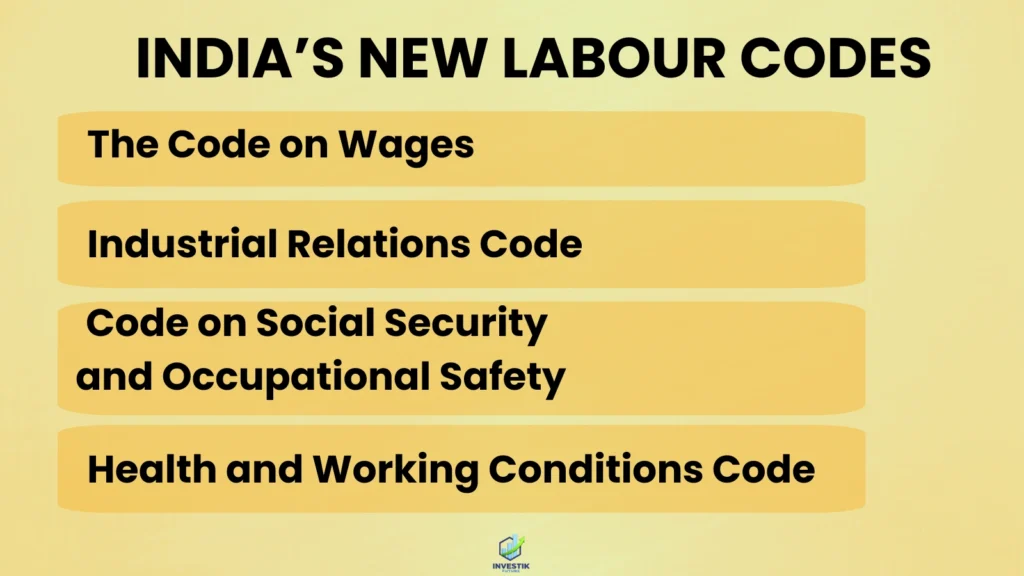
One of the biggest shifts comes from the implementation of the four labour codes:
- The Code on Wages
- Industrial Relations Code
- Code on Social Security and Occupational Safety
- Health and Working Conditions Code
While not every rule is fully operational yet, the new definition of wages is already being applied. And honestly, this is where things start getting interesting and slightly confusing.
From what I’ve understood, “wages” now include a broader portion of your salary. Earlier, companies could structure salaries with a lower basic pay and higher allowances. Now, that flexibility is restricted.
This is particularly important as crucial benefits such as Provident Fund (PF), Gratuity, and Bonus are all dependent on this new definition of wages. So even if nothing else changes, the way your salary is interpreted has already changed.
Understanding the 50% Wage Rule: The Real Game Changer
The most talked-about part of this reform is the 50 per cent wage rule. At first, I thought this meant companies must restructure salaries immediately. But that’s not exactly true. What the rule actually says is: Basic salary and Dearness Allowance (DA) shall be a minimum 50% of the total remuneration.
This changes the game in a quiet but profound way.
Earlier:
- Basic salary could be low
- Allowances could be high
Now:
- Basic salary has to increase
- Allowances get limited
Since PF and gratuity are calculated on basic pay, this change directly affects both contributions and payouts.
What I Noticed About My Take-Home Salary
This is where things start to get very real. If companies raise the base salary to reach the 50% number threshold, then:
- PF contributions go up
- Gratuity calculations increase
- The take-home salary, however, may come down
So, in simple terms, it means an immediate downside of less monthly cash flowing into your pocket, but a long-term upside of more money saved and benefits for later in life with retirement. To me, this seems like a trade-off. Though I’d obviously prefer to have more cash in hand right now, I also see how this is a better way to grow that financial cushioning for the future. Still, I suspect a lot of folks will need time to adapt, particularly if their monthly budgets are already tight.
The Hidden Benefit: Better Retirement Savings
One thing I didn’t initially appreciate was how much this change could improve long-term financial security.
Because:
- Higher PF contribution leads to a bigger retirement corpus
- A higher wage base leads to more gratuity payout
Also, the new rules expand eligibility. Even fixed-term employees who complete at least one year of service may now qualify for gratuity. That’s a big shift, especially for people working on contracts or in flexible roles.
What About Employers?
While trying to understand this from an employee perspective, I also realised that companies are dealing with their own challenges. From what I’ve read and observed:
- Payroll systems need updates
- Salary structures must be redesigned
- Compliance requirements are stricter
For some companies, especially smaller ones, this isn’t an overnight change. Many are still:
- Reviewing salary components
- Figuring out cost implications
- Planning communication with employees
And honestly, that explains why there’s still some confusion around implementation timelines.
Also Read: Big Financial Reset 2026: How Money Changes from April 1
Why There’s Still So Much Confusion
One thing that stood out to me is that the law defines “wages” but not “CTC” (Cost to Company). That leaves room for interpretation. Also:
- Some clarifications are not in the law itself, but rather in FAQs
- Variable pay and stock benefits are seen differently
- Not all rules are fully enforced yet
So while the direction is clear, the execution is still very much a work in progress.
A Gradual but Important Shift
If I had to sum it up, this isn’t a sudden change; it’s more of a gradual shift. Over time, I think:
- Salary structures will become more standardised
- Transparency will improve
- Long-term benefits will strengthen
But in the short term, many of us (including me) will need to:
- Revisit our budgets
- Understand our payslips better
- Adjust expectations
And maybe that’s not a bad thing. Because if this pushes us to think more seriously about savings and financial planning, it could actually be a positive shift.
Also Read: FPI Portfolio in India Sees ₹10L Cr Massive Drop in March
Frequently Asked Questions (FAQs)
1. Will my salary decrease due to the new labour code?
Though your overall CTC remains the same, your take-home salary can decrease as PF contribution goes up when basic pay rises.
2. What is the 50% wage rule?
It suggests that basic pay and DA cannot be less than 50 per cent of your gross salary, which seeks to limit the excessive allowances.
3. Does this rule apply to all employees?
It applies across sectors, though its enforcement will likely depend on company rules and timelines.
4. How does this affect the provident fund (PF)?
In the long run, higher PF contributions, which lower your take-home pay, can be financially good for you.
5. Will gratuity benefits increase under the new rule?
Yes, gratuity is paid in addition to wages, and obviously, a higher base will yield more gratuity.
Disclaimer
This article is intended for informational purposes only and draws on publicly available information as well as personal impressions of the recent labour law modifications. This should not be considered financial or legal advice. Readers are encouraged to reach out to a qualified professional or their HR Department for specific advice on their salary structure and benefits.

Himani Soni
I’m Himani Soni, a finance content strategist with 2+ years at Investik Future. I decode market trends and simplify complex investing concepts into clear, actionable insights for the everyday investor.