
When I first saw the market reaction to Nike’s latest quarterly results, I paused. On paper, the numbers looked solid. Earnings beat expectations. Revenue topped forecasts. North America showed strength. Yet the stock dropped more than 10% in premarket trading.
That kind of reaction always makes me curious, because markets rarely move on headlines alone. They move on to what lies beneath them. After digging into the details, I realised this wasn’t just about one earnings report. It was about something much bigger: investor confidence, global demand shifts, and the fragile balance multinational companies face in China today.
In this article, I explain why Nike’s stock dropped over 10% even after beating earnings expectations. I cover the sharp decline in China sales, the impact of tariffs, changes in Nike’s leadership and strategy under CEO Elliott Hill, and shifts between wholesale and direct sales. I also highlight areas of strength, like Nike.com and key product launches, and give my take on what the stock movement tells us about investor sentiment and Nike’s long-term growth potential.
The Numbers Look Strong, So Why Did Investors Sell?
Here’s what stood out to me immediately:
- Earnings per share beat estimates
- Revenue exceeded projections
- North American sales grew 9%
- Overall revenue still rose year-over-year
Normally, that combination pushes a stock higher. But Nike’s Greater China revenue fell sharply, and that single metric overshadowed everything else. That tells me something important about how markets work: investors care more about future growth potential than past performance. And right now, China is the key uncertainty.
China: The Market Everyone Watches And Fears
If you follow global consumer brands as I do, you’ll notice a pattern. China isn’t just another market; it’s often the growth engine.
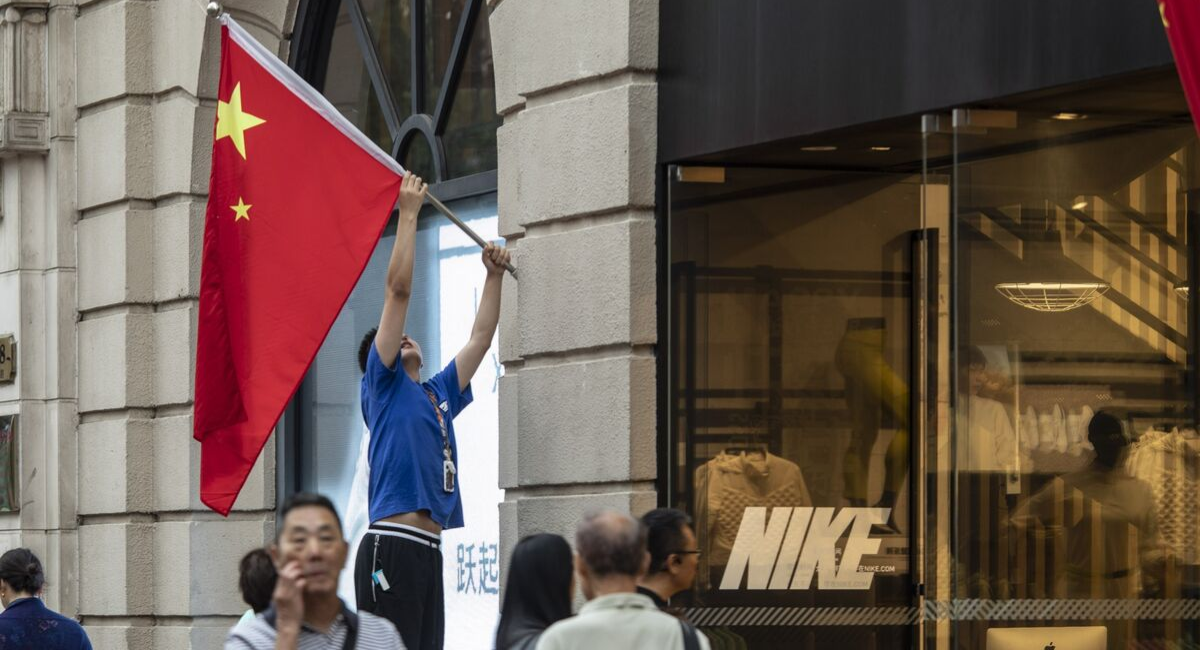
So when Nike reported a 17% drop in China revenue, investors didn’t just see a regional dip. They saw a possible signal: “What if demand weakness in China lasts longer than expected?”
That concern doesn’t affect Nike alone. After the report, shares of European competitors like Adidas and Puma also slipped slightly. To me, that reaction shows how interconnected global markets are. One company’s regional weakness can shake confidence across an entire industry.
The Reality of Nike’s Turnaround Phase
Nike’s CEO Elliott Hill has been leading a turnaround strategy for just over a year. I actually find his approach interesting because it focuses on structural fixes, not quick wins.
The company is working on:
- Clearing excess inventory
- Rebalancing wholesale vs. direct sales
- Refreshing its product mix
- Strengthening partnerships
In his own words, Nike is still in the “middle innings” of its comeback. That phrase stuck with me. It suggests management believes the hardest work is still ahead, and markets tend to dislike uncertainty during transition phases.

Tariffs: The Silent Profit Killer
Another factor investors seem worried about is tariffs. Nike expects gross margins to fall by up to 2.25 percentage points, including a significant hit directly tied to tariffs.
That’s huge. Margins matter more than revenue growth because they determine how much profit a company keeps. Even a small margin decline can shave hundreds of millions off earnings for a company of Nike’s size.
I’ve noticed that whenever tariffs enter the conversation, markets become cautious. Trade policies are unpredictable, and investors hate unpredictability.
Direct Sales vs Wholesale: A Strategic Reset
One of the most telling signals for me was Nike’s shift in sales channels.
- Wholesale revenue rose 8%
- Direct sales fell 8%
A few years ago, Nike prioritised direct-to-consumer sales through its own platforms. Now it’s pivoting back toward wholesale partnerships. That’s not necessarily bad, but it does signal that the previous strategy didn’t deliver as expected.
When a company changes direction like this, it usually means management is optimising for long-term stability rather than short-term growth.
Brand Weakness: The Converse Problem
Another red flag investors noticed was the continued slump in Converse sales. Revenue for the brand dropped sharply again this quarter after a steep decline previously.
To me, brand-level weakness often reveals deeper issues:
- Product relevance
- Consumer preferences
- Competitive pressure
One struggling brand doesn’t break a company like Nike, but it does add pressure during a turnaround phase.
Signs of Strength Investors Might Be Overlooking
Despite the negative reaction, I actually think there were some encouraging signals in the report that didn’t get enough attention.
For example:
- Nike.com had its best Black Friday ever
- The Air Jordan “Black Cat” launch performed strongly
- A new performance platform is launching soon
Nike’s CFO Matt Friend highlighted digital demand strength, which tells me consumer interest hasn’t disappeared; it’s just shifting channels. That distinction matters a lot.

Leadership Changes Usually Signal Deeper Strategy
Nike also recently reshuffled leadership and announced the departure of Chief Commercial Officer Craig Williams.
Whenever I see executive restructuring during a turnaround, I interpret it as management trying to move faster. Removing layers often means decision-making will become more aggressive.
Hill described the changes as positioning Nike for “growth and offence.” That wording suggests the company isn’t in defensive mode; it’s preparing for a competitive push.
Why Analysts Are Still Cautious
Analysts from Citi noted that China’s weakness may continue throughout fiscal 2026. That comment is important because Wall Street expectations heavily influence stock movement.
Markets don’t price stocks based on today. They price them based on next year or even three years ahead. If analysts believe recovery will take longer, valuations adjust downward immediately.
My Personal Take: This Is a Sentiment Story, Not Just a Nike Story
After reviewing everything, here’s my honest view: This sell-off says more about global investor sentiment than about Nike’s actual business strength.
- Yes, China’s demand is weak.
- Yes, margins are under pressure.
- Yes, the turnaround isn’t finished.
But:
- Revenue still grew
- Key markets are strong
- Digital demand is rising
- Management has a clear plan
To me, that combination doesn’t scream crisis. It screams transition.

The Bigger Lesson for Investors
Whenever a stock falls despite good earnings, I ask myself one question: Is the market reacting to facts, or to fears?
Right now, fear about China’s consumer market is dominating investor psychology. And until that narrative changes, stocks exposed to China may continue facing pressure, regardless of their actual performance.
This is why I always remind readers that markets move in cycles of sentiment:
- Optimism
- Doubt
- Fear
- Recovery
Nike, in my opinion, is somewhere between doubt and fear in that cycle.
Final Thoughts
If you ask me whether this drop changes Nike’s long-term outlook, my answer is no, not yet. What it does change is short-term perception. And perception drives price more than fundamentals in the near term.
As an investor and market observer, I see this moment as a classic case where headlines say one thing, but deeper analysis tells a more nuanced story. The real question isn’t whether Nike had a good quarter. It’s whether the market believes the next one will be better.
Also Read: Kwality Wall’s Shares Jumps 5%: Why Investors Are Optimistic
Disclaimer
This article reflects personal analysis and opinion for informational purposes only. It is not financial advice, investment recommendation, or a solicitation to buy or sell securities. Always conduct your own research or consult a qualified financial advisor before making investment decisions.