
Stock futures in the U.S. have been under pressure over the last several sessions, and today the market sentiment feels noticeably different. What initially appeared to be a routine pullback is now evolving into something more significant. Stock futures are sliding, and the reason is becoming clearer: worries are growing on Wall Street about the strength of the U.S. economy.
But further economic data, especially from the labour market, has recently cast fresh doubt on growth momentum. And rather than boosting hopes of rate cuts, this time the data has brought caution.
In this article, I will explain how weak data from the U.S. economy is influencing sentiment and market action, why futures for stocks and the broad indices are on the defensive, and how different elements of uncertainty, including fallen AI stock, bond yields rise, as well as commodities, are fuelling broader uncertainty.
Weak U.S. Data Takes Center Stage
The turning point, in my view, was the latest update from the U.S. Labour Department. After delays, revised data showed that:
- The U.S. economy lost 105,000 jobs in October
- The unemployment rate rose to 4.6%, the highest since 2021
- November data showed 64,000 jobs added, slightly beating expectations
Despite the mixed nature of the report, markets focused on the bigger picture: a weakening labour market. Investors didn’t see opportunity; they saw risk.
This shift is important. Weak data is no longer being interpreted as a positive signal for rate cuts; it’s now being viewed as a sign of economic slowdown.
Stock Futures Reflect Growing Caution
The caution was visible even before the market opened.
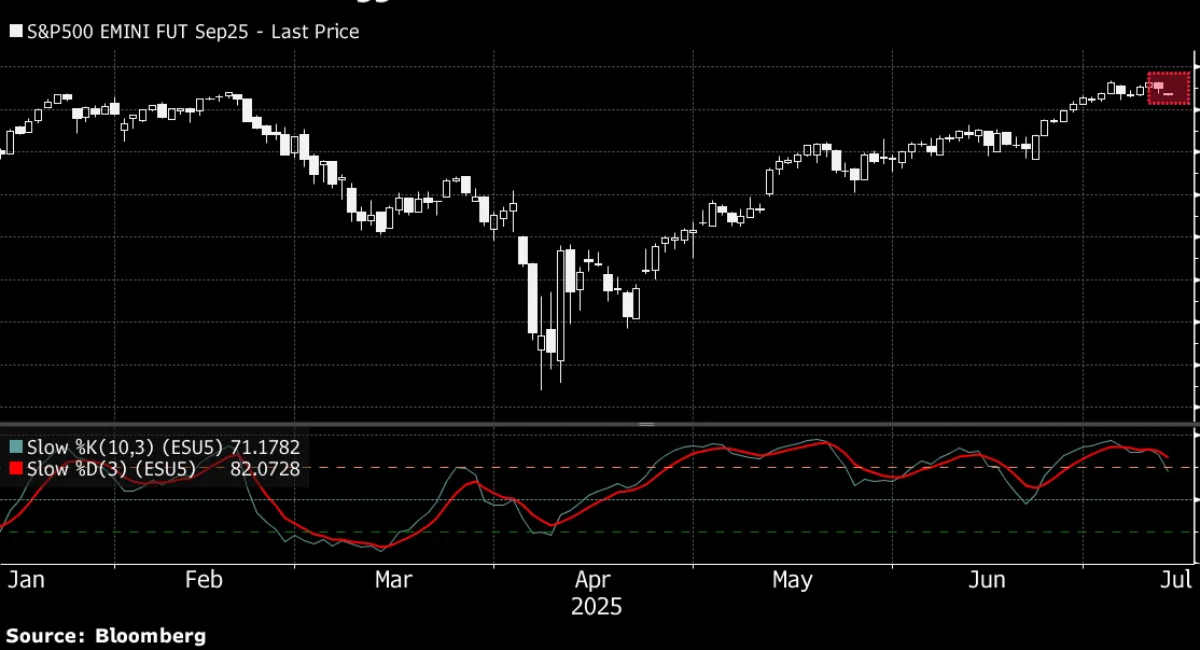
- S&P 500 futures slipped around 0.2%
- Nasdaq 100 futures declined 0.3%
- Dow futures dropped by nearly 79 points
This weakness carried into the broader market, where major indices extended their losing streak. According to market data:
- Nasdaq fell 1.8%
- S&P 500 declined 1.2%
- Dow Jones slipped 0.5%
This marked multiple consecutive sessions of losses, highlighting a sustained risk-off sentiment.
AI Concerns Add to the Pressure
While weak data is clearly the main trigger, I also noticed another layer to this story: AI-driven stocks are losing momentum. For months, these stocks have led the market rally. But now:
- NVIDIA moved lower
- Alphabet and Amazon declined
- Tesla corrected after recent highs
This suggests that valuations are being questioned, especially in a softer macro environment. When economic uncertainty rises, high-growth sectors tend to face sharper corrections.
Earnings Disappointments Deepen the Sell-Off
Earnings reactions are also becoming more telling. Broadcom and Oracle both declined after underwhelming results. What stands out is how sensitive the market has become; even modest disappointments are triggering strong reactions.
In Oracle’s case, reports of stalled funding talks for a large data centre project added further uncertainty around AI-related investments. In a strong economy, such concerns are often ignored. In a weaker environment, they become key risk factors.
Energy Stocks Under Pressure
Another important development is in the energy sector. Oil prices recently fell to their lowest levels since 2021 on worries about oversupply and waning demand. Consequently, Energy majors such as Exxon Mobil and Chevron fell about 2%
This reflects a wider pattern: slowing economic growth is affecting many industries, not just technology.
Bond Yields and Dollar Send Mixed Signals
At a macro level, the environment is still complex.
- The 10-year U.S. Treasury yield held near 4.15%
- The U.S. dollar strengthened slightly
- Financial conditions remain relatively tight
This creates a difficult setup:
- Growth expectations are weakening
- Borrowing costs remain elevated
That kind of combination is usually bad for equities.
Commodities Signal Defensive Positioning
There’s also an evident change in the way that investors are positioning themselves:
- The price of gold gained nearly 1%, approaching record highs
- Oil showed volatility after recent declines
- Bitcoin pulled back from its highs
This indicates a slow tilt toward defensive assets. Gold’s strength, in particular, is a sign of growing uncertainty and risk aversion in the market.
Broader Market Weakness Is Emerging
What’s more concerning is that the weakness appears to be broadening across sectors:
- Lennar fell about 4% after weak guidance
- Industrial stocks like Caterpillar declined
- Micron slipped ahead of earnings
These sectors are especially connected to the real economy, which bolsters the argument that concerns about the economy aren’t mere market sentiment; they are growing more fundamental in nature.
Also Read: AI in 2026: Money Makers vs Builders as Market Splits
What This Means for Investors
Currently, the market seems to be entering a transition period.
For months, exhilarated optimism, especially about AI, propelled the rally. But now they are turning attention towards:
- Economic stability
- Earnings visibility
- Valuation discipline
In my view, this is a needed reset. Markets go from high hopes to reality check, and that transition can create volatility and increased selectivity in investment.
What Investors Are Watching Next
Looking ahead, there are a couple of key items that could influence the direction of the market:
- Comments from Federal Reserve officials
- Upcoming inflation data
- Further labour market updates
- Corporate earnings trends
How these factors evolve will be an important determinant of whether this is a short-lived pullback or the beginning of a more meaningful correction.
Final Thoughts
This market decline isn’t only about falling prices; it also reveals a shift in how investors interpret economic data. U.S. data that is coming in on the weak side now raises worries, rather than comforting, and that turn has reverberations through such outposts as stock futures to sector performance. At the same time, fading momentum in AI stocks is pulling away a key pillar of support.
These forces, in combination, are creating a more cautious market environment, one that’s increasingly sensitive to negative surprises. And in my experience, when that shift happens, it often marks the beginning of a more challenging but important phase in the market cycle.
Also Read: US 10-Year Treasury Yield Slips After Strong GDP Data
Disclaimer
This article is for informational purposes only and reflects personal views. It should not be considered investment advice. Investors should conduct their own research or consult a financial advisor before making investment decisions.

Himani Soni
I’m Himani Soni, a finance content strategist with 2+ years at Investik Future. I decode market trends and simplify complex investing concepts into clear, actionable insights for the everyday investor.