
What Trump’s Venezuela Plan Means For Guyana’s Oil
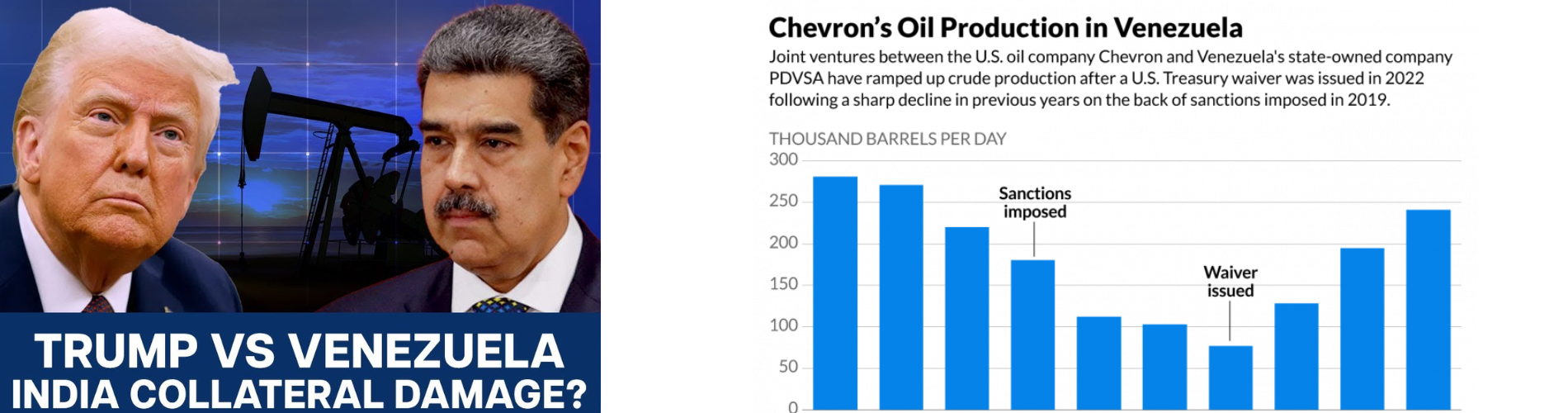
The Trump administration’s military action in Venezuela is expected to change the political and security situation in South America, especially for Guyana and its massive oil wealth.
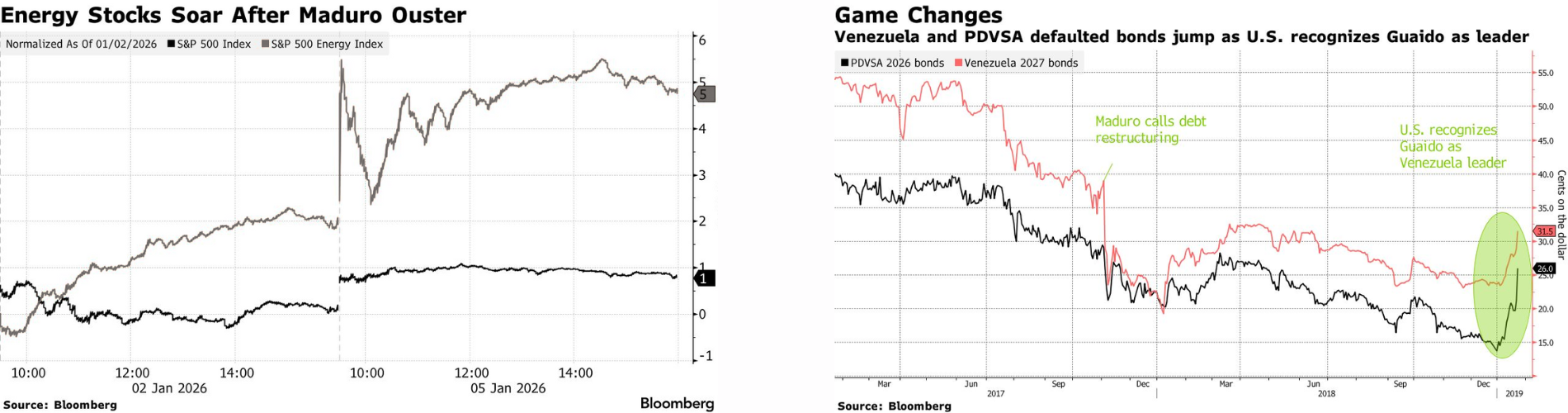
On January 3, the U.S. carried out a military operation aimed at removing Venezuelan President Nicolás Maduro from power. The move shocked many countries, with critics saying it broke international law. However, President Donald Trump dismissed these concerns, saying he does not feel bound by international rules.
Experts say this U.S. intervention is likely to pause Venezuela’s long-running claim over the Essequibo region, a large and resource-rich area that makes up about two-thirds of Guyana. This is good news for oil companies working there, as the dispute has always been a major risk. Essequibo is rich in gold, diamonds, and huge offshore oil reserves. Major energy companies like Exxon Mobil, Chevron, and China’s CNOOC operate in waters controlled by Guyana. With U.S. military support in the region, analysts say these companies now feel more secure.
Venezuela has claimed Essequibo for over 100 years. The dispute dates back to 1899, when an international court awarded the land to Britain, which ruled Guyana at the time. Venezuela has never accepted this decision and says the territory belongs to it. Guyana’s oil boom began in 2015 after Exxon Mobil discovered massive oil reserves offshore. Since then, Guyana has become one of the fastest-growing economies in the world. This success also renewed Venezuela’s interest in the disputed region.
In recent years, Maduro increased tensions by holding a referendum claiming Essequibo as Venezuelan territory. This raised fears of a possible conflict. However, analysts say any aggressive move by Venezuela was always unlikely because of strong U.S. backing for Guyana and Exxon.
Now, with the U.S. directly involved in Venezuela, experts believe Caracas is under too much pressure to push its territorial claims anytime soon. One analyst described this as “removing a nuisance” for both Guyana and Exxon.
The U.S. has also strengthened ties with Guyana. Secretary of State Marco Rubio warned Venezuela that attacking Guyana or Exxon would lead to serious consequences. Guyana’s government welcomed continued U.S. support to protect its borders and sovereignty. That said, experts caution that the Essequibo dispute is not permanently resolved. Venezuela’s claim still exists, but for now, it is likely to remain quiet as the country deals with intense pressure from Washington.