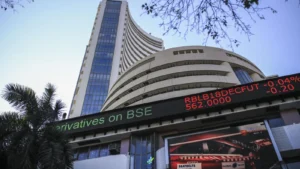

When I first looked at the markets on April 15, the move in India’s 10-Year Yield immediately caught my attention. I didn’t expect crude oil to be the main story again, but it was, and not in the way we’ve been used to lately. For the past few days, it felt like everything was moving in one direction: uncertainty, rising crude prices, and pressure on India’s economy. But suddenly, things shifted. Brent crude slipped below $100, and almost instantly, I noticed a reaction in India’s bond and currency markets.
At first, I thought, can oil prices really have that much impact? But the more I explored, the clearer it became that this is one of those connections that quietly drives a lot more than we realise.
This article explains how a recent drop in crude oil prices, driven by renewed hopes of US-Iran peace talks, led to a cooling of India’s 10-year bond yield and a slight strengthening of the rupee. It also underscores the interplay between global oil prices, inflation expectations and financial markets, but also mentions current trends in India’s inflation as well as its government bond auctions.
What Actually Happened in the Markets?
On April 15, the Indian government’s 10-year benchmark bond yield slipped to about 6.87%, down from 6.93% in the previous session. A six-basis-point decrease may not sound dramatic on its face, but in bond markets, even small moves are important. At the same time, the Indian rupee strengthened slightly. It opened 21 paise higher at 93.17 against the US dollar.
The trigger behind both these moves? A sharp fall in crude oil prices.
Brent crude dropped over 4% overnight, trading near $95 per barrel. This came after renewed hopes of diplomatic talks between the United States and Iran, something that markets clearly took as a positive signal.
Why Crude Oil Matters So Much to India
One thing I’ve come to understand better is how deeply crude oil affects India’s economy.
India imports nearly 85% of its energy needs. So whenever crude prices rise, it’s not just about fuel; it has ripple effects on inflation, government finances, and even interest rates. When crude was trading above $100 just recently, there were real concerns. Higher oil prices mean:
- Increased transportation and production costs
- Higher inflation
- Pressure on government subsidies
- Weakening of the rupee
So when prices suddenly fell below $100, it brought a sense of relief across markets.
How Lower Crude Impacts Bond Yields
This part took me a bit of time to fully grasp, but here’s how I understand it now. Bond yields and inflation expectations are closely linked. Bond yields tend to rise when inflation is expected to increase. And when inflation pressures subside, yields come down.
Since crude oil is a major driver of inflation in India, a drop in oil prices signals lower inflation risks. That’s exactly what happened here.
With Brent crude falling, investors likely felt that inflation pressures could ease. That made higher yields less necessary, and so the 10-year bond yield eased. It’s interesting how the world, with oil prices responding to geopolitical talk, can directly impact borrowing costs for India.
The Rupee’s Reaction: A Small but Important Move
The rupee also appreciated marginally, along with bond yields. It rose 21 paise to open at 93.17 against the dollar. Though this isn’t a huge move, it indicates improving sentiment.
Here’s why:
- Fallen crude prices bring down India’s import bill
- This makes the dollar demand-supply situation better
- Which, in turn, supports the rupee
But I also saw that analysts are cautious. The global picture remains shaky, and any escalation, including a jump in geopolitical tensions, could undo these improvements relatively quickly.
But didn’t Crude Just Rise Above $100 Recently?
Yes, and that’s what makes this situation even more interesting. Just days earlier, crude prices had surged above $100. It came after early talks between the US and Iran didn’t go well, and tensions grew further.
There were even signs of aggressive geopolitical moves, which were leading oil prices to rise on supply fears. Now, however, with new hopes of diplomacy in the air, they’re moving the other way.
This constant back-and-forth is something I’m slowly getting used to. Markets don’t move in straight lines, especially when geopolitics is involved.
Where Does Inflation Stand Right Now?
India’s retail inflation for March came in at 3.4%, slightly higher than February’s 3.2%. At first, I thought this increase might worry markets, but it remains comfortably within the Reserve Bank of India’s target range of 2% to 6%. So overall, inflation isn’t out of control, but it’s something everyone is watching closely.
And again, crude oil plays a big role here. If oil prices stay low, inflation could remain manageable. But if they go up again, the situation might change rapidly.
Also Read: Retail Inflation at 3.4% Reveals Uneven Food & Fuel Pressure
Government Bond Auction: Another Key Piece
Another thing that grabbed my attention was the government plan to borrow ₹32,000 crore via bond auctions.
This includes:
- 5-year bonds
- 40-year bonds
From what I gather, this does two things:
- Funding government expenditure
- Offering long-term investment options to institutional investors
So while I’m still understanding how bond auctions matter for market behaviour, one takeaway is that the supply of bonds can move yields. More supply can put upward pressure on yields, but in this instance, easing inflation expectations appears to have more than offset that impact.
What I’m Personally Taking Away From This
As someone who is still figuring out how markets work, this whole episode was like a lesson in the real world. A few things stood out to me:
- Global events matter more than I thought
- Crude oil is not just a commodity; it’s a macro driver
- Bond yields and currency movements are deeply connected to inflation expectations
- Markets react quickly, even to expectations, not just actual outcomes
Most importantly, I’m learning that you do not have to know it all at once. Watching just one factor, such as crude oil, can help explain broader market trends.
What Could Happen Next?
While the current situation looks relatively calm, there are still a lot of uncertainties. Things I’ll personally be watching:
- Progress in US-Iran talks
- Movement in crude oil prices
- Inflation trends in India
- RBI’s future policy stance
If crude remains below $100, it could support bond markets and the rupee. But if tensions rise again, the story could flip quickly.
Also Read: RBI’s ₹10,000 UPI Delay Plan Triggers Disruption Debate
Frequently Asked Questions (FAQs)
1. Why did India’s 10-year yield fall?
It declined, largely owing to a fall in crude oil prices that alleviated fears of inflation and softened the pressure on bond yields.
2. How does crude oil impact India’s economy?
India imports most of its oil, and rising crude prices push up inflation, weaken the rupee and impact overall economic stability.
3. Why did the rupee strengthen when crude prices fell?
Decline in oil prices lowers India’s import bill, easing dollar demand-supply balance and supporting the rupee.
4. Is inflation currently a concern in India?
Inflation increased mildly to 3.4% in March but is still within the RBI’s target zone, so not a major worry yet.
5. Can bond yields and the rupee change direction again?
Yes, both are very sensitive to global developments, particularly geopolitical tensions and crude oil price movements.
Disclaimer
This article is for general informational and educational purposes only, and it should not be considered financial or investment advice. Based on publicly available information and personal perspective. Market risks and uncertainties are always there. Readers should do their own research or consult with a certified financial adviser before making any investment decisions.

Himani Soni
I’m Himani Soni, a finance content strategist with 2+ years at Investik Future. I decode market trends and simplify complex investing concepts into clear, actionable insights for the everyday investor.