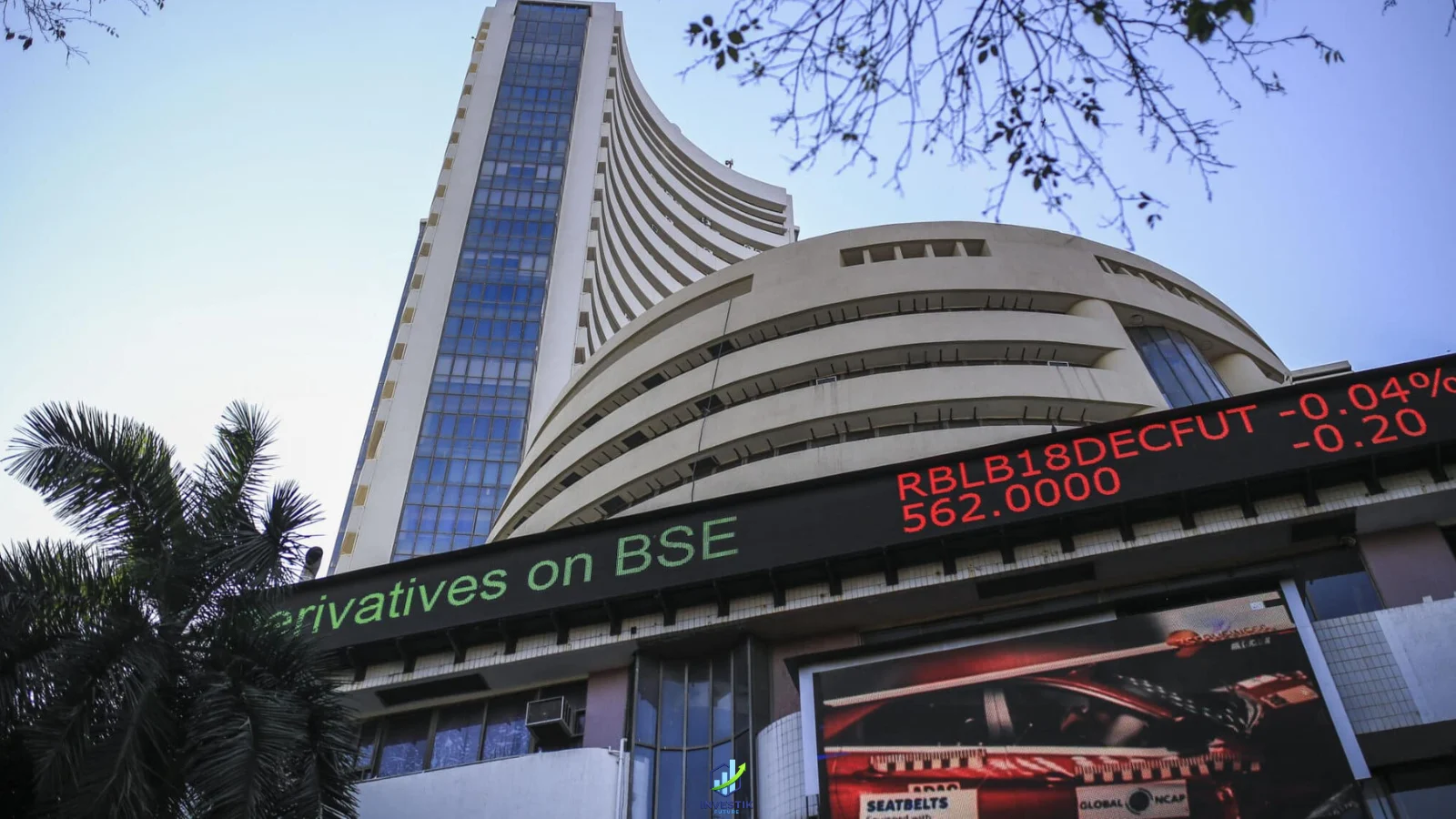

The BSE market cap has made a strong comeback to the $5 trillion mark, and over the past few weeks, this rebound has been quite interesting to watch. Just when market sentiment started to weaken due to global uncertainty, this sharp recovery has caught investor attention.
What stood out to me is that this level was last seen on February 27, before the escalation of the US-Iran-Israel conflict shook global sentiment. From the lows of around $4.37 trillion on March 30, this is a recovery of more than $600 billion, which feels significant, especially in such a short time frame. But even with this comeback, I don’t think everything is back to normal yet.
This article describes the comeback of the overall market capitalisation of the BSE-listed companies to the level of $5 trillion from its sharp fall due to global geopolitical concerns. The recovery shows promising performance through April’s stock rally and market strength. Nevertheless, despite this positive performance, some risks still exist. These include high crude oil prices, foreign fund flows, and global geopolitical risks. Overall, this article provides a realistic view of the market situation where the recovery appears to be promising but not yet stable enough for investors to become too optimistic.
What’s Driving This Sharp Recovery?
From what I understand, April has been a significant factor behind this rally. Both Sensex and Nifty 50 have rallied by about 6.5% in just a matter of days, which is quite impressive.
However, what surprised me more is how much the broader markets have outperformed:
- BSE MidCap 150: up 9.86%
- BSE SmallCap 250: up 12.9%
It feels like investors are slowly getting comfortable taking on more risk again, especially in mid and small-cap stocks.
Why Indices Still Haven’t Fully Recovered
Even though the overall market cap has bounced back, the benchmark indices are still lagging.
- Sensex is still about 3,900 points below its earlier levels
- Nifty is down by around 1,100 points
This gap made me realise something important: market cap recovery doesn’t always mean index recovery. Broader participation can lift overall valuation even if heavyweight stocks haven’t fully recovered.
Global Sentiment Is Playing a Big Role
A big part of this rally seems to be linked to improving global sentiment. There has been some optimism after US President Donald Trump hinted at the possibility of a permanent ceasefire between the US and Iran. That alone seems to have eased some pressure in global markets.
That said, not everything is positive:
- Crude oil prices are still hovering near $100 per barrel
- Ongoing geopolitical uncertainty hasn’t fully gone away
And for a country like India, which depends heavily on oil imports, this is something I personally think investors should keep an eye on.
FIIs vs DIIs: A Familiar Pattern
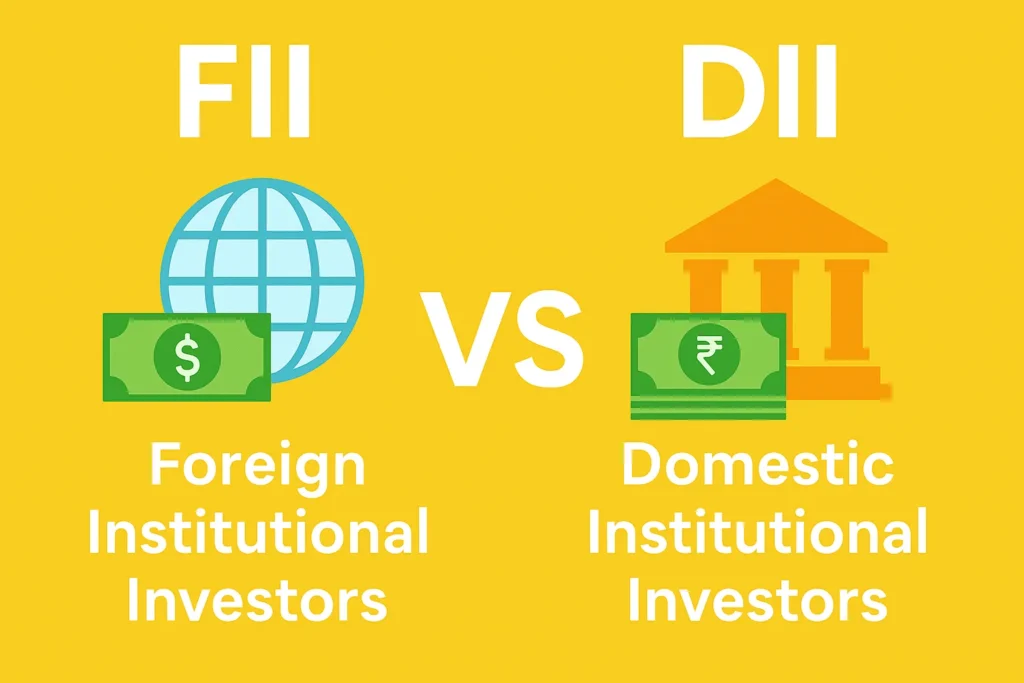
Another trend that I have been noticing is the tug-of-war between foreign and domestic investors. Foreign Institutional Investors (FIIs) have turned buyers recently, but they are still net sellers of over $14 billion since the conflict began.
On the other hand, Domestic Institutional Investors (DIIs) have been consistently buying and absorbing these outflows. This trend isn’t new, but it does make me wonder how much longer domestic liquidity can keep supporting the markets if global uncertainty continues.
Also Read: FII Outflows in Indian Debt Market Surge to $1.23B in April
Are Other Asian Markets Pulling Ahead?
While India is recovering, I came across something that I found quite interesting. Markets like:
- South Korea
- Taiwan
- Japan
have actually outperformed recently, largely because they are more exposed to technology and AI-driven growth. Some analysts, including those from Goldman Sachs, are even betting on these markets over India in the short term.
That does raise a valid concern; India doesn’t yet have many pure-play AI companies, and we’re also more sensitive to oil price shocks.
Valuations Are Looking More Reasonable Now
One positive takeaway for me is that valuations have cooled off. Nifty’s forward P/E has dropped to 17.7x, which is about 15% below its long-term average.
Also:
- Nifty 50 valuations are down 28% from peak
- Midcaps: down 29%
- Smallcaps: down 18%
This correction actually makes the market look a bit more attractive compared to a few months ago, when valuations felt stretched.
Looking Back: The Sharp Correction Phase
It’s easy to forget how quickly things changed. Between late February and March:
- Sensex and Nifty fell by over 11.5%
- Midcaps and smallcaps dropped around 10.5%
At that time, rising crude prices and geopolitical tensions created a lot of uncertainty. Personally, that phase felt like a reality check after a long period of optimism.

So, What’s the Outlook from Here?
From what I have been reading and noticing, the analysts are cautiously optimistic.
Some of the major positive aspects:
- Strong domestic demand
- Capital expenditure led by the government
- Improving balance sheets
- Easing monetary conditions
The earnings growth is expected to be about 16% CAGR FY26-28, which sounds promising indeed. However, certain risks remain:
- High oil prices
- Global tensions
- Foreign outflows
For me, however, it is rather a recovery stage than a complete restart.
Final Thoughts
If I had to sum it up, I would say that this recovery to the $5 trillion figure is most definitely a good sign, but one that is not quite enough to get extremely excited over. The market has recovered, but has not yet healed completely.
There is a sense of both optimism and caution prevailing, and being a novice observer and learner, I would say that this seems like one of those stages where patience and knowledge are required rather than emotional reactions.
Also Read: Kalyan Jewellers Shares Slide 6% Amid Gold Import Halts
Frequently Asked Questions (FAQs)
1. What does the $5 trillion BSE market cap mean?
The $5 trillion market capitalisation indicates the total market value of companies listed at the Bombay Stock Exchange.
2. Why did the market fall earlier?
The previous fall occurred due to the geopolitical tensions between the US, Iran, and Israel, along with the increasing crude prices.
3. Why are midcap and smallcap stocks outperforming?
Mid and small caps tend to outperform during rallies because they are risky yet profitable investment options.
4. Are FIIs still selling Indian equities?
Although some FIIs started purchasing the securities, they are net sellers since the conflict started, while local investors compensate for their actions.
5. Is this a good time to invest in the market?
Market valuations have dropped. Whether it’s time to buy stocks depends on your risk tolerance and time horizon.
Disclaimer
This article is for informational purposes and is based on personal observation and interpretation of market trends. This article should not be taken as financial advice. It is recommended that you seek advice from a financial consultant before investing.

Himani Soni
I’m Himani Soni, a finance content strategist with 2+ years at Investik Future. I decode market trends and simplify complex investing concepts into clear, actionable insights for the everyday investor.