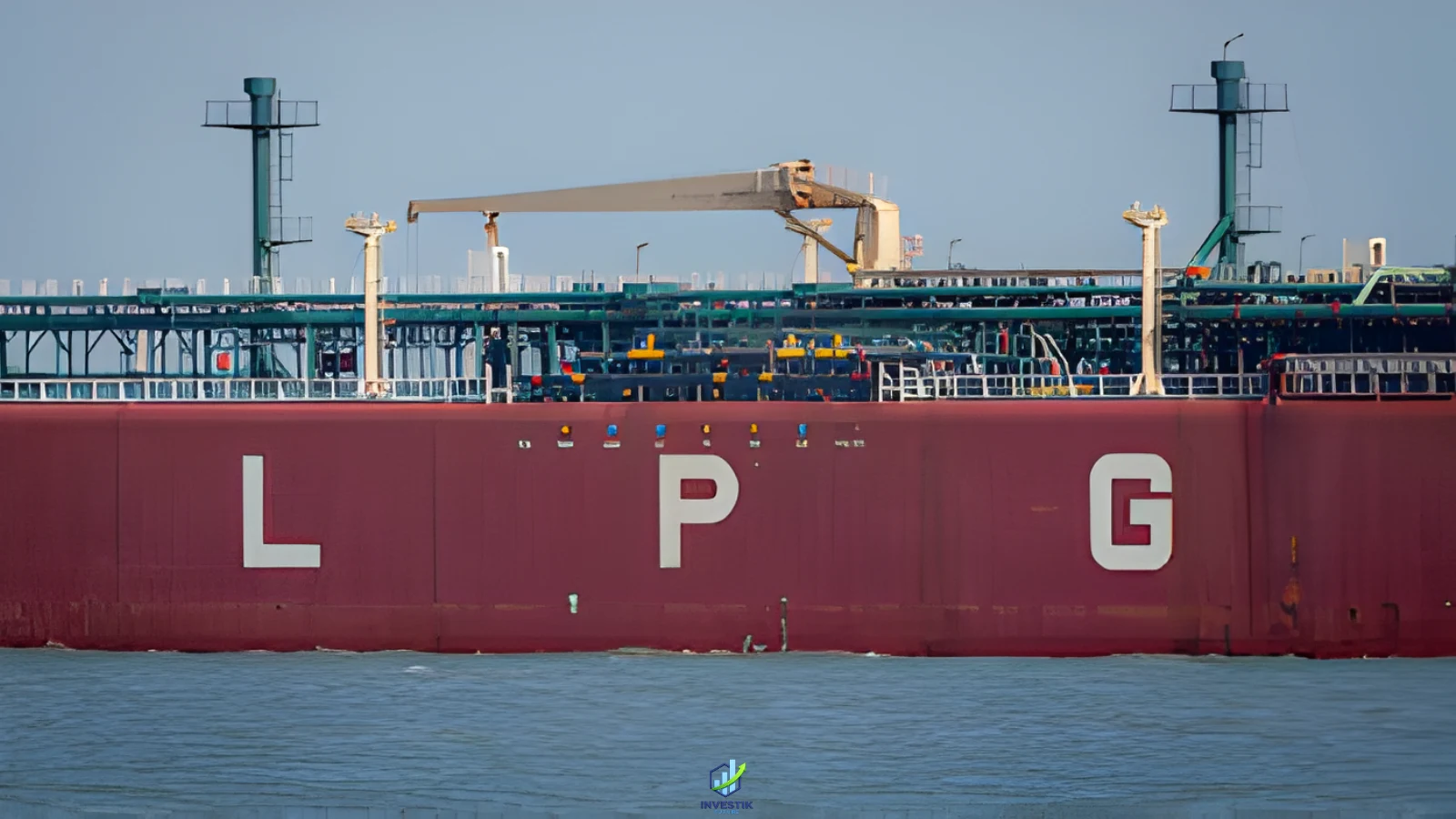

When I first started to read about the new disruptions in the global LPG supply crisis, my mind initially went toward this just being another temporary geopolitical wave. But the more I had watched, the bigger it felt to me that something could quietly influence household budgets, small businesses and even inflation trends in India over the coming years.
One estimate that really jumped out at me: it could take 3 to 4 years to restore disrupted LPG supply chains. That’s not a short-term shock; that’s a structural challenge. And if you’re someone tracking expenses, running a small business, or simply trying to understand where inflation is headed, this is something worth paying attention to.
This article notes that disruptions to the supply of LPG, due to tensions in West Asia, may take 3-4 years until things return to normal, which will have a heavy toll on India, given its high dependence on imports. That could result in higher prices, risk to supply and more cost burden on households, businesses and the wider economy.
What Exactly Has Happened?
The disruption is primarily a function of geopolitical tensions in the West Asia region, especially around one of the world’s most significant global energy routes, the Strait of Hormuz. This narrow corridor is a crucial route for much of India’s LPG imports. The blockades, attacks on energy infrastructure and escalating tensions among major global players have taken a toll on supply chains.
From what I understand:
- Around 60% of India’s LPG demand depends on imports
- Nearly 90% of these imports earlier came via the Gulf route
- That share has now dropped significantly, forcing India to diversify sourcing
At first glance, diversification sounds like a good thing. But in reality, shifting supply chains is neither quick nor cheap.
Why the LPG Supply Crisis is Not a Short-Term Problem
What surprised me the most was the uncertainty around the damage itself.
There are still unanswered questions:
- Are production facilities temporarily shut?
- Or has there been permanent damage to oil and gas fields?
If it’s the latter, then we’re not just dealing with disruption; we’re dealing with a long-term supply constraint. Even after rerouting shipments and finding alternative suppliers, reports suggest that 40-50% effective disruption could persist. That’s huge.
India’s Vulnerability: High Dependence, Low Storage
While reading through the data, one thing became very clear: India is more vulnerable than it appears.
Here’s why:
- Annual LPG demand: ~33 million tonnes
- Storage capacity: Only about 15 days of consumption
That means any supply shock quickly translates into:
- Price increases
- Supply pressure
- Government intervention
Unlike crude oil, where India has been building strategic reserves, LPG doesn’t have the same buffer. And honestly, this is where I feel the real risk lies, not just in supply disruption, but in how little cushion we have to absorb it.
The Price Impact Is Already Visible
We’re not just talking about future risks; the impact has already started showing up.
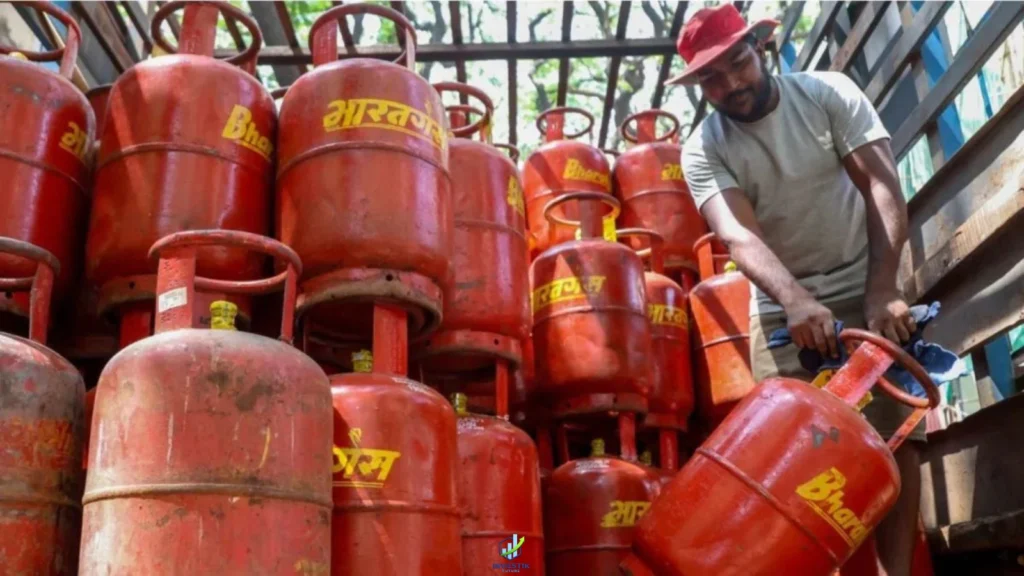
- Domestic LPG cylinders: Up by ₹60
- Commercial cylinders: Up by ₹115
And this is just the beginning. What worries me is the second-order effect:
- Restaurants may increase prices
- Small businesses may see margin pressure
- Delivery and logistics costs could rise
If this continues, LPG could quietly become another driver of inflation, something we’ve already seen with fuel and food in the past.
Who Gets Hit the Hardest?
The effect, as far as I can tell, is not going to be equally distributed.
- Households: Although subsidies could help offset some of the effects, higher prices in one part of consumer spending could put a squeeze on monthly budgets, especially for middle- and lower-income families.
- Small Businesses & MSMEs: Now it gets a little more serious. The LPG is also used extensively by hotels, restaurants and small manufacturing units. Rising costs could:
- Reduce profitability
- Force price hikes
- Impact demand
- Government & Oil Companies: Higher LPG prices also mean:
- Increased subsidy burden
- Pressure on oil marketing companies
- Potential strain on fiscal balances
Can India Actually Manage This Crisis?
To be fair, it wasn’t all bad news. The government has dealt with similar disruptions in the past, particularly during COVID. Some strategies being considered include:
- Diversifying import sources
- Rerouting shipments
- Increasing domestic LPG production
- Managing consumption patterns
But here’s the thing I can’t let go of: these are mitigation strategies, not permanent solutions. If global supply stays constrained for years, India may have to rethink completely how much energy it can rely on.
A Bigger Financial Perspective
Though this may sound like an “energy sector problem,” I believe it falls squarely into the bigger financial landscape. This is how I’m joining the dots:
- Increased costs of LPG result in higher operating costs
- Inflation rises due to increased operating costs
- Increasing inflation puts upward pressure on interest rates
- Changes in interest rates affect loans, EMIs, and investments
So indirectly, this LPG crisis could affect:
- Your home loan EMIs
- Stock market performance (especially FMCG & hospitality)
- Government spending priorities
Also Read: Trump’s Bold 100% Tariff Shock Reshapes Global Trade
My Personal Take
I’ll be honest, I don’t have years of experience tracking global energy markets. But even from the most basic understanding of a financial perspective, this feels like an important moment. What strikes me is not just the disruption but the duration of it.
A 3-4 year recovery timeline means:
- This isn’t temporary
- It requires long-term planning
- It could reshape pricing trends
For someone like me who is trying to understand financial trends step by step, this seems to be one of those stories that makes its way from the background noise and suddenly becomes one of the most powerful forces in the economy.
Conclusion
The LPG supply disruption is not as worrying on an hourly basis as stock market crashes or inflation data, but the cumulative long-term effects could be just as damaging, if not more so. Because the ripple effects are real, from household budgets to business costs to macroeconomic stability.
And one thing I’ve learned from following financial news is this: That long-term changes tend to be more important than short-term shocks.
Also Read: 10-Year Yield Drops 6 bps as Cooling Crude Eases Fears
Frequently Asked Questions (FAQs)
1. Why is India facing LPG supply disruptions?
The geopolitical tensions in West Asia, where we see blockades and attacks on energy infrastructure, have disrupted supply lines such as the Strait of Hormuz.
2. How long will the LPG crisis last?
Supply chains are expected to take 3-4 years to restore fully, but such estimates depend heavily on the state of production facilities.
3. Will LPG prices continue to rise?
Prices have already risen, and more volatility lies ahead because of increased freight costs, insurance and tight supply.
4. How does this affect common people?
Higher LPG prices raise household expenditures, and indirectly make food, dining and services more expensive.
5. What is the government doing to manage the situation?
Efforts include diversifying sources of imports, boosting domestic production, redoubling efforts to reroute shipments and managing demand.
Disclaimer
This article is for informational and educational purposes only, reflecting my own personal understanding of unfolding events with respect to global LPG supply and the potential economic impact. It is not to be construed as financial, investment or policy advice. Readers should do their own research or consult with a qualified financial adviser before making any financial decisions.

Himani Soni
I’m Himani Soni, a finance content strategist with 2+ years at Investik Future. I decode market trends and simplify complex investing concepts into clear, actionable insights for the everyday investor.