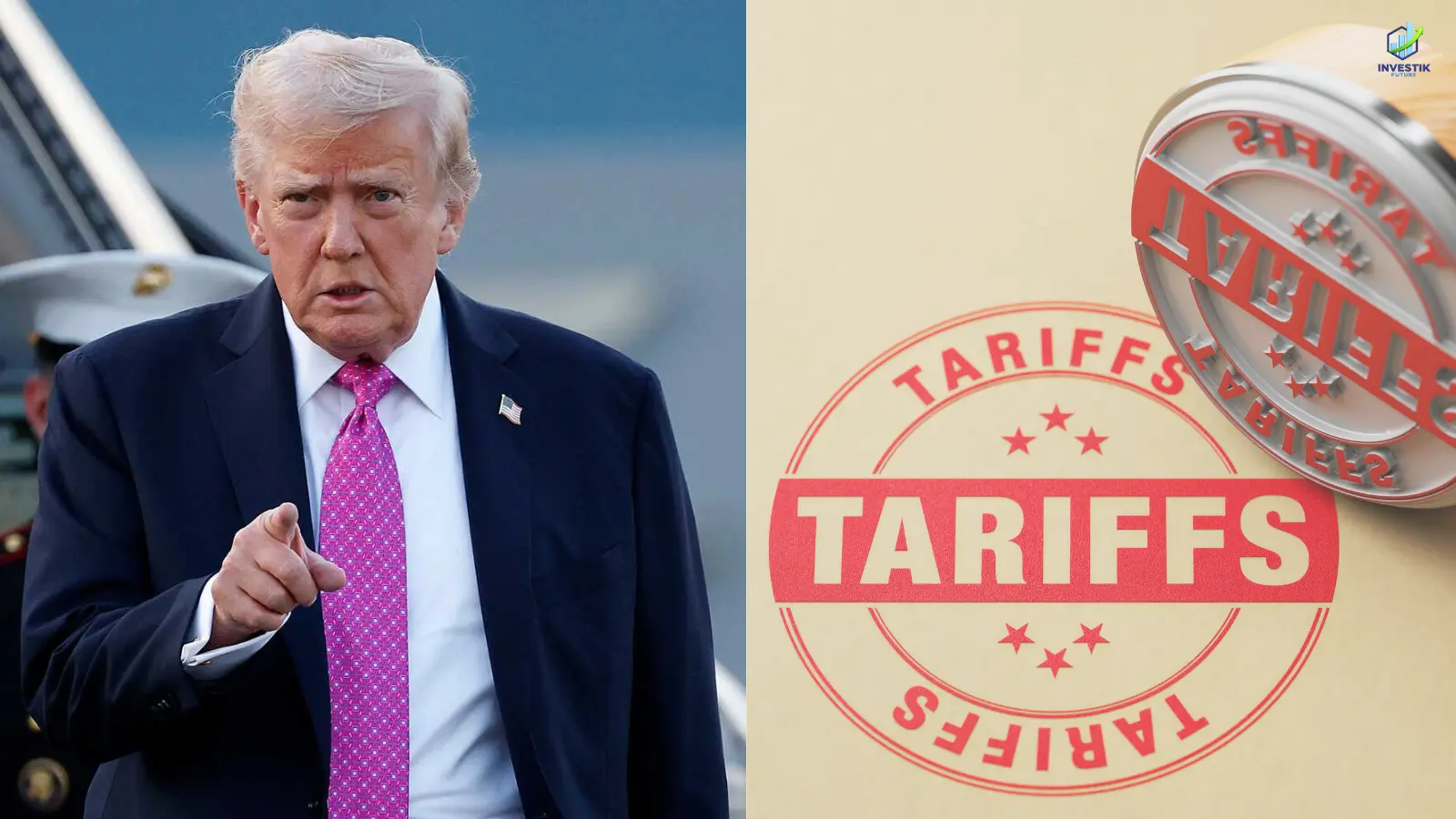

For me, the latest tariff announcement from US President Donald Trump read less like a routine policy update and more like a bold reset of global trade dynamics. The imposition of a 100% tariff on selected imported patented medicines, particularly from companies not in sync with the “Most Favoured Nation” pricing system, indicates an unequivocal move towards aggressive economic nationalisation.
This isn’t simply political news; it’s a powerful economic disruptor that could reshape key industries like pharmaceuticals and metals, with repercussions for global supply chains.
This article examines the effects of “a new ruling” on 100% tariff on some imported patented medicines and revised duties on imports of metals under US President Donald Trump’s newest tariff policy. It explains how pharmaceutical companies have been pressured to make the United States their main production site, or how they must comply with a new pricing policy or risk tariffs that are equitably applied under trade agreements.
A Strong Push Toward Domestic Manufacturing
From my perspective, the core intent behind this move is unmistakable: bring manufacturing back to the United States. The policy gives pharmaceutical companies a clear ultimatum. Either:
- Align with the pricing initiative, or
- Invest in US-based manufacturing
If companies choose to localise production, they could see tariffs significantly reduced, sometimes down to around 20%. On the other hand, the ones that do not comply receive the full brunt of a 100% tariff.
This is not just about trade; this is restructuring the way global pharma companies function. As someone who closely follows markets, I see this as a long-term structural change rather than a short-term political move.
The Timeline Pressure: A Tactical Move
What struck me most was the timeline’s structure:
- 120 days for large pharmaceutical firms
- 180 days for smaller companies
This staged approach feels strategic. It doesn’t hit the system with a shock immediately but rather imposes gradual pressure, allowing companies time to adapt or resist at a price.
For investors, this leads to a period of uncertainty, which translates into volatility in pharma stocks and affiliated sectors.
Global Trade Gets More Fragmented
Another very significant aspect I find especially convincing is the tiered tariff system:
- Tariffs of around 15% for firms in the EU, Japan, South Korea and some other countries
- Approximately 10% for UK-based firms
That suggests trade relationships still matter, but are being readjusted. At the same time, the administration has already secured agreements with multiple pharmaceutical firms, offering tariff relief in exchange for pricing commitments and US-based investments. This suggests a “carrot and stick” approach, reward compliance, penalise resistance.

Pharma Stocks: Between Pressure and Opportunity
If you’re invested in global pharmaceutical stocks, this is where things get interesting.
On one hand:
- Higher tariffs could squeeze margins
- Supply chains may need restructuring
- Short-term uncertainty may pressure valuations
On the other hand:
- In the long run, investing in US manufacturing can prove beneficial to companies
- Those already reflective of US pricing policies may see a competitive advantage
From my point of view, this is a classic case of short-term pain versus long-term positioning.
Metals Market: A Parallel Shake-Up
As pharma headlines steal the show, changes in metal tariffs are also substantial. The updated policy includes:
- A new 50 per cent tariff on steel, aluminium, and copper, reconfigured to be based on US purchase prices rather than export declarations
- A 25% tariff on metal-heavy imports, such as appliances, if they exceed the threshold for metal weight
This seems like an effort to combat international price manipulation while shielding internal industries. But I also can’t help worrying that these steps may slowly raise the cost of business for manufacturers and, ultimately, for consumers.
Also Read: Copper Demand Is Rising, but India’s Investment Setup Lags
Inflation Concerns Still Linger
One thing that’s hard to look past is its potential inflationary impact. While officials maintain that the overall impact on prices will be manageable, I see a couple of risks:
- Higher input costs for industries
- Potential price hikes for end consumers
- Pressure on corporate margins
Interestingly, even among Trump’s political orbit, there are apprehensions that aggressive tariffs may ultimately hurt everyday people by driving up prices at the stores, where inflation is already an issue.
A Strategic Gamble with Global Implications
To my mind, this is not just an economic policy move, but a strategic gamble.
If successful:
- The US could strengthen domestic manufacturing
- Pharmaceutical pricing may be better regulated
- Trade deficits may shrink
But if it backfires:
- Global trade tensions could escalate
- The costs might be passed on to consumers by companies
- Markets could face prolonged volatility
Either way, this is a policy that the global economy can’t ignore.
Final Thoughts: What Should Investors Do?
How I interpret this is not as an overreaction but to be alert and adaptive. For investors:
- Track the pharmaceutical companies with US manufacturing exposure
- Watch the metal and industrial sectors for cost pressures
- Watch out for trade negotiations and policy changes
This is a developing story, and its impact will be clearer over time. What is clear, though, is that the rules of global trade are being rewritten once again.
Also Read: Sharp Market Selloff: Sensex Down 1,532, Nifty Near 22,200
Frequently Asked Questions (FAQs)
1. What is the main objective of Trump’s new tariff policy?
The aim is to move pharmaceutical companies’ supply lines into the US, align with a “Most Favoured Nation” pricing model, while protecting domestic metal industries.
2. Which products are affected by the new tariffs?
The tariffs apply to imported patented medicines, crucial pharmaceutical constituents and all imports of metals, including steel, aluminium and copper products that contain a considerable quantity of metal.
3. How high are the tariffs on imported medicines?
The tariffs on specific imported patented medicines and their ingredients could be as high as 100%, though companies that abide by the required US prices or manufacturing may be granted lower rates.
4. Will these tariffs impact global markets and consumers?
Yes, the policy could disrupt global supply chains, raise production costs and lead to higher prices for consumers, while also injecting volatility into global markets.
5. Are there any exemptions or reductions under this policy?
Yes, companies that agree to invest in U.S. manufacturing or participate in the pricing effort can get big breaks on tariffs. Also, businesses within countries that have trade deals with Australia, including the EU, Japan, South Korea and Switzerland, as well as the UK, are expected to encounter lower rates of tariffs.
Disclaimer
This article is intended for informational and educational purposes only, not financial, investment or trading advice. Readers should do their own research and consult with a financial advisor before making any investment decisions.

Himani Soni
I’m Himani Soni, a finance content strategist with 2+ years at Investik Future. I decode market trends and simplify complex investing concepts into clear, actionable insights for the everyday investor.