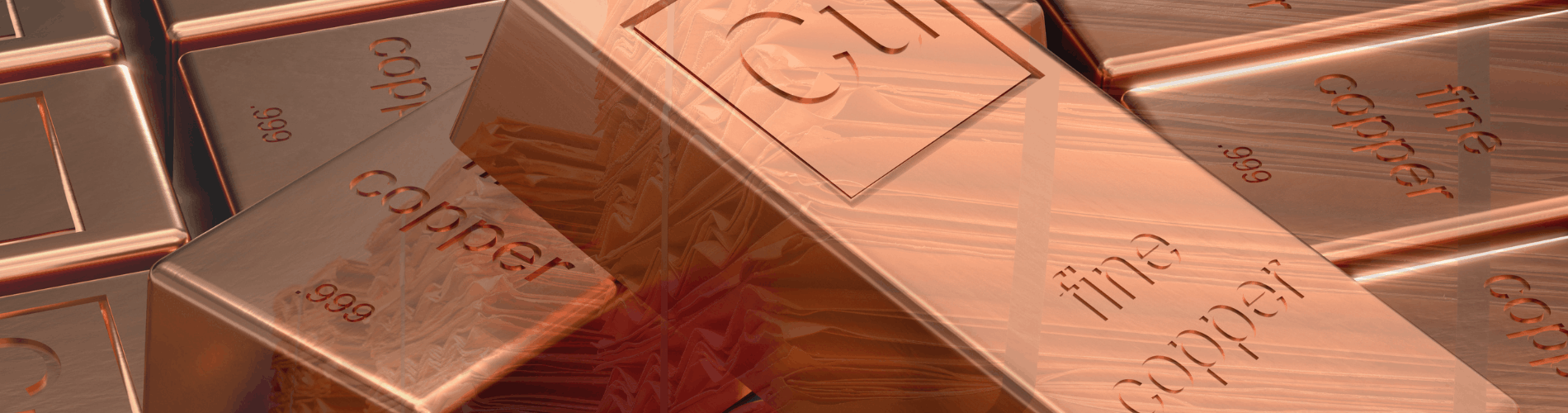

I’ve noticed recently that people I know are talking differently about commodities. It’s no longer only gold or silver getting the attention; copper has quietly entered the chat, frequently pitched as the next big opportunity.
The case is pretty convincing: strong recent returns, an important role in the energy transition and rising global demand. But as I examined it further, the news for copper is getting stronger on a relative basis, whilst the investment cycle around it in India remains incomplete.
Before I invest in any one asset, I ask myself a simple question: Is the ecosystem conducive for me to buy and sell? With copper, I’m not convinced yet.
In this article, I explain why copper is suddenly in the investors’ radar, what is driving its long-term demand globally and in India, and why ways to invest in it aren’t as simple, especially when it comes to physical copper, as they sound. I also explore if its ETF demand could be the solution to these problems, and what needs to change before it is possible for retail investors to buy.
The Real Concern: Exit, Not Entry
The reason gold has been such a trusted investment is not just because of its price performance but rather the ecosystem behind it. There’s:
- Standardised purity through hallmarking
- Transparent and widely accepted pricing
- A deep network of buyers, from jewellers to exchanges
Copper doesn’t offer any of this at the retail level in India. There’s no established buyback system. No standardised format for retail investment-grade, and no easy way for an individual investor to sell at a fair, transparent price.
That’s what makes me cautious. Because investing isn’t just about buying an asset, it’s about knowing how and when you can exit.
Why Copper Is Suddenly in Focus
To be fair, the surging interest in copper is not without basis. It gave returns of over 36% in MCX for the year 2025; such performance grabs your attention. But there’s a bigger macro story at work as well, beyond returns. This is a period of transition for global markets:
- Geopolitical tensions in West Asia are keeping energy markets on edge
- US stocks, particularly tech names, have valuation fatigue
- Gold and silver have already seen a long run, and they feel crowded
In this environment, investors are searching for alternatives, and copper is a nice story for that. It’s not just another commodity. It goes hand in hand with future economic growth.
Copper: The Backbone of the Energy Transition
It is also of particular interest to me due to its involvement in the global transition toward clean energy. It is deeply embedded in:
- Electric vehicles
- Renewable energy systems
- Power infrastructure
- Electronics and semiconductors
An electric car requires up to four times the amount of copper as a traditional internal combustion engine vehicle. Renewables projects use 2.5 to 7 times more copper per megawatt than fossil fuel systems.
Globally, this will mean the demand for it jumping to 42.7 million tonnes by 2035. But supply is having a hard time keeping up.
Even new mining projects can take years, sometimes more than a decade, to come online. Disruptions in major producing countries like Chile and Peru add more uncertainty. What ensues is a structural imbalance, and from an investment perspective, that’s a powerful long-term signal.
India’s Position: A Growing Gap
As I see it, India’s copper story is potentially even more relevant.
- Demand is expected to nearly double to 3.2 million tonnes by 2030
- Domestic production is only around 500,000 tonnes
- Imports now account for around 1.2 million tonnes
This gap is significant. It signifies that India is highly dependent on international copper markets, and price changes directly affect significant industries such as:
- EV manufacturing
- Renewable energy
- Electronics and infrastructure
Yet Indian corporates still do not have access to an efficient hedging tool for the copper price risk. And that leaves me with the question many investors are now asking: Could a copper ETF find the answer to this problem?
Why a Physical Copper ETF Doesn’t Work
On the surface, a physical copper ETF could provide an obvious solution, as with gold or silver ETFs. However, the actual situation is quite different. It is not a straightforward metal to store or handle in volume.
That means an ₹800 crore ETF will need around 7,250 metric tonnes of copper. Copper, on the other hand, is bulky and takes up a lot of storage space compared to precious metals like gold, which can be compacted for easy storage. It comes with its own additional challenges, though:
- It tarnishes in the presence of air and moisture
- Requires climate-controlled warehousing
- Requires periodic quality assessments and maintenance
The more people involved, the higher the operational costs and trader commissions, and that all comes out of investor returns. Then there’s taxation.
- Gold and silver ETFs are taxed at 3% GST
- Copper attracts 18% GST
This in itself puts them at a massive structural disadvantage. For me, this makes it clear that a physical copper ETF is not practical in India right now.
Also Read: Precious Gold and Silver ETFs Soar 6% Amid Global Tensions
The Case for a Derivatives-Based ETF
Globally, copper investment products often rely on futures markets instead of physical storage. A similar model could, in theory, work in India using MCX futures. But there are limitations.
- MCX copper open interest is around 26,000 tonnes
- A large ETF would control a significant share of this market
- This could distort prices and increase trading costs
Liquidity is another concern. Only about 21% of participants are hedgers, while the majority are short-term traders. This allows for the depth required for a stable, long-term investment product. Slightly more liquid, however, are far-month contracts, a crucial consideration for the stability of ETFs. While a derivatives-based ETF is therefore more attainable than a physical one, it would still contend with structural hurdles.
What Needs to Change
There are a couple of things that need improvement for me to even contemplate investing in copper through a regulated product.
- A Transparent Domestic Benchmark: India should have a fair estimation by way of dealing through an exchange copper spot price.
- Deeper Derivatives Market: The market needs to have more institutional participation and better liquidity, particularly in long-term contracts.
- Global Integration: Indian funds are currently limited to domestic platforms; permitting them access to international exchanges such as LME or CME could reduce inefficiency and bring in liquidity.
- Rationalised Taxation: Reducing GST on copper investment products could make them more competitive and investor-friendly.
The Bigger Opportunity Beyond Investing
What I find more exciting than the ETF itself is the potential ecosystem it introduces. Developing a solid copper market in India can:
- Bringing investment into refining and recycling
- Strengthen domestic supply chains
- Give manufacturers better hedging tools
- Bring India into closer alignment with global commodity markets
In that way, this isn’t only about making another financial product; it’s also about developing strategic infrastructure around a resource with a growing scarcity.
My Take: I’m Watching, Not Buying
Right now, copper feels like a compelling story that’s still in its early stages from an investment perspective. The demand is real. The global narrative is strong. The long-term outlook is promising. But the ecosystem needed to support retail investors is still evolving.
So while I understand the excitement, I’m not rushing in. Because for me, investing isn’t just about spotting an opportunity, it’s about ensuring that the system supporting that opportunity is equally strong. Until that happens, I’m staying on the sidelines and watching closely.
Also Read: Gold Surges 4%, Silver Jumps 5%: 3 Key Reasons Behind Rally
Disclaimer
This article is for informational purposes only and reflects personal opinions. It does not constitute financial advice or a recommendation to buy or sell any asset. Investors should conduct their own research or consult a financial advisor before making investment decisions.

Himani Soni
I’m Himani Soni, a finance content strategist with 2+ years at Investik Future. I decode market trends and simplify complex investing concepts into clear, actionable insights for the everyday investor.