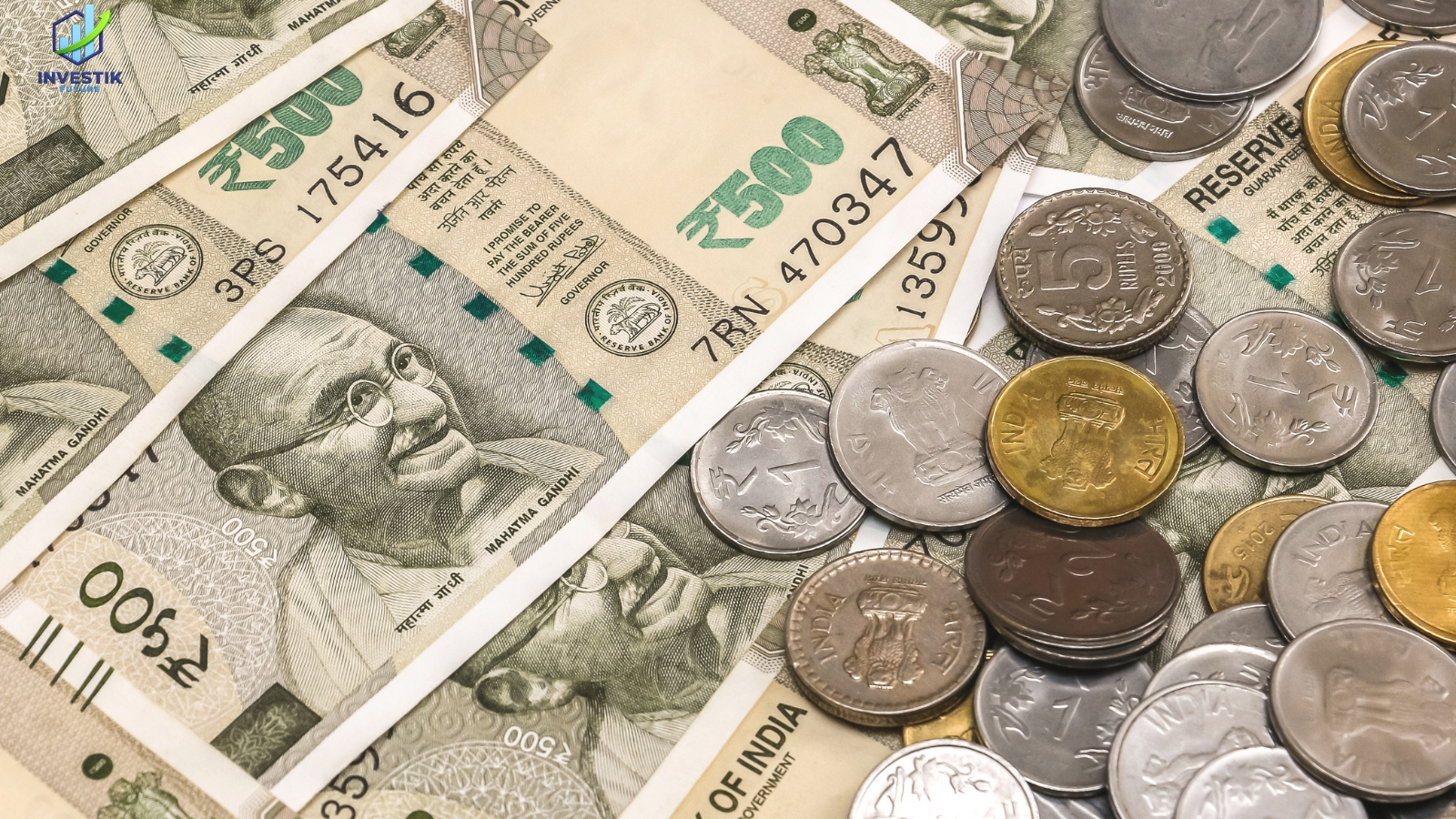

When I saw the rupee open 130 paise stronger today, my first reaction wasn’t relief; it was curiosity. After all, just days ago, the currency had slipped to a record low of 94.83 against the dollar, and briefly edged past the psychological 95 mark. That kind of sharp reversal doesn’t happen in isolation. It usually signals intervention, adjustment, or something deeper shifting beneath the surface. And this time, the Reserve Bank of India (RBI) has stepped in, and it is making its intentions clear.
This article states that the rupee’s recent recovery is primarily due to RBI action aimed at curbing volatility and speculative pressure. But it warns that lingering risks such as rising crude prices and foreign outflows remain, making the rebound potentially short-lived.
What Changed Overnight?
When markets reopened, the rupee was trading around 93.53 per dollar, a remarkable recovery in the context of the pressure it had faced recently. As is, the RBI’s recent decision was not a routine tweak. It took aim at a critical pressure point in the currency market: offshore dollar positioning.
Here’s what stood out to me:
- It also barred banks from providing rupee non-deliverable forwards (NDFs) to resident and non-resident customers
- Firms were barred from rebooking cancelled foreign exchange derivative contracts
At first glance, these may sound like technical tweaks. But in reality, they go straight to the heart of speculative currency flows.
Why This Matters More Than It Seems
I’ve always believed that currency volatility isn’t just about macroeconomics; it’s also about behaviour. And the RBI seems to be addressing exactly that. By limiting access to offshore NDF markets and restricting derivative re-booking, the central bank is essentially:
- Reducing speculative bets against the rupee
- Curtailing artificial demand for dollars
- Forcing market participants to unwind leveraged positions
This aligns with what Amit Pabari from CR Forex Advisory pointed out, that these measures could create an “appreciation bias” or at least stabilise the currency in the near term.
From my perspective, it feels less like defending the rupee and more like resetting the rules of the game.

But Let’s Not Ignore the Bigger Problem
Even with this bounce, I can’t overlook the fact that FY26 has been one of the worst years for the rupee in over a decade. And the reasons are not going away anytime soon.
1. Crude Oil Is Back in the Spotlight
India’s dependence on imported oil makes the rupee extremely sensitive to crude prices. And right now, that’s a problem. Brent crude has surged to around $106 per barrel, driven by escalating geopolitical tensions.
The trigger? A sharp escalation in rhetoric from the United States. President Donald Trump’s recent address hinted at a prolonged and potentially intensified conflict with Iran, including possible strikes on energy infrastructure. That immediately pushed oil prices higher, and when oil rises, the rupee usually falls.
2. Foreign Investors Are Still Pulling Back
Another trend I’ve been closely following is persistent foreign outflows.
When global investors withdraw money from Indian equities and debt markets, they exchange rupees for dollars, which adds to the pressure on the currency. This is a structural challenge, one that doesn’t go away overnight, even with RBI intervention.
So, Is This Recovery Real or Temporary?
This is where I find myself slightly cautious. Yes, the rupee has strengthened. Yes, the RBI’s measures are impactful. But does this mean the worst is over? Not necessarily. To me, this is much more a policy-driven bounce than a fundamentals-led recovery.
In simple terms:
- The RBI has reduced volatility
- But it hasn’t entirely removed the underlying risks
Also Read: RBI Limits Bank Currency Positions as Rupee Weakness Deepens
What I’m Watching Next
As a close observer of financial markets, here are the major signals I’m personally watching:
- Crude Oil Direction: If oil remains above $100 for even a short period, the pressure will again be on the rupee irrespective of RBI action.
- RBI’s Next Moves: Can the central bank hold on to its tightening of currency trading rules? Or was this a temporary interference?
- Foreign Investment Flows: A sustained recovery in the rupee will likely need FII inflows to stabilise or return.
My Take: Stability Is Back, But Confidence Isn’t Fully There Yet
If I had to sum this up honestly, I’d say this: The RBI has done a smart and timely job of calming the currency markets. But the rupee’s recovery still feels fragile. There are simply too many external variables, oil prices, geopolitical tensions, and global capital flows that remain unpredictable.
So while the appreciation to 93.53 per dollar is encouraging, I’m not treating it as a trend reversal just yet. Instead, I see it as a pause in the pressure, not the end of it.
What Should You Do as an Investor?
If you’re one of those who track markets or manage investments like me, here is how I would tackle this issue:
- Stay calm about short-term currency moves
- Watch global triggers, not just domestic policy
- Stay diversified, especially if your portfolio is exposed to global assets
That’s because in today’s world, the rupee isn’t only responding to India; it’s responding to the world.
Final Thoughts
Currency movements sometimes seem like numbers on a screen, but they are part of a much larger story, one of policy decisions, global conflicts and investor sentiment.
For now, the story of the rupee is one of intervention-led stability in a world of uncertainty. And if there’s one thing I’ve learned through the years, it’s this: Stability is something you can engineer. But it takes time to rebuild confidence.
Also Read: Big Financial Reset 2026: How Money Changes from April 1
Disclaimer
This article is for informational purposes only and reflects the author’s personal views and interpretations of market developments. This should not be treated as financial advice. Investors must consult certified financial advisors before making any decisions. Market conditions are subject to change, and past trends may not indicate future performance.

Himani Soni
I’m Himani Soni, a finance content strategist with 2+ years at Investik Future. I decode market trends and simplify complex investing concepts into clear, actionable insights for the everyday investor.