
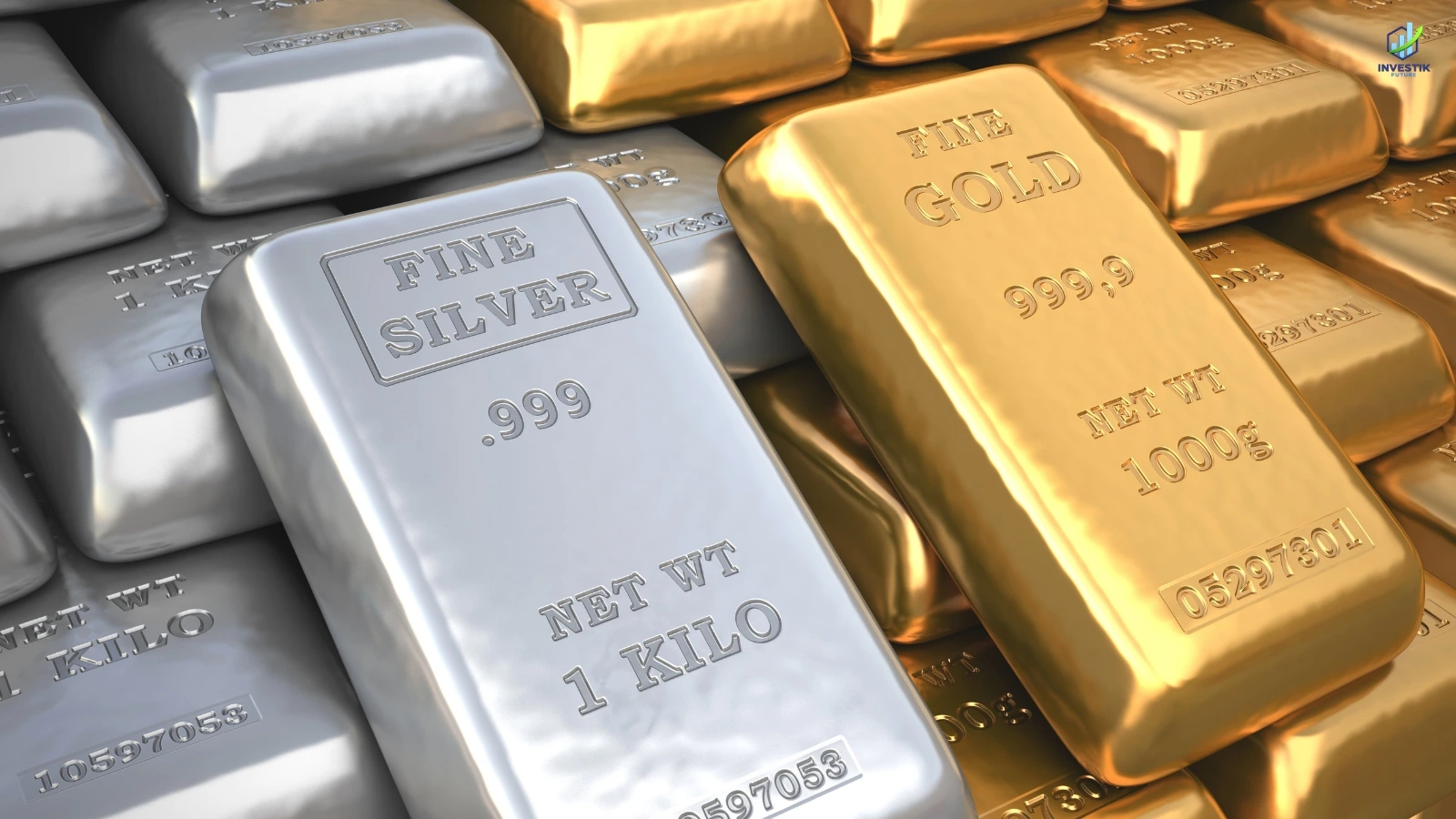

When I checked the markets today, one thing stood out immediately: gold and silver ETFs were under serious pressure. For assets that are typically considered “safe havens,” this kind of sharp decline always grabs my attention. And today wasn’t just a minor dip; we saw silver ETFs falling over 4% and gold ETFs slipping more than 2%.
At first glance, it may seem surprising. After all, geopolitical tensions are rising, and historically, that tends to support gold prices. But the reality is a bit more layered, and honestly, far more interesting.
In this article, let me break down what’s really happening, why prices are falling, and what I’m personally watching as an investor right now.
What Happened to Gold and Silver ETFs Today?
By mid-session, the damage was already visible across the ETF space:
- Nippon India Silver ETF fell over 4%
- Tata Silver ETF slipped more than 4%
- Tata Gold ETF declined by around 2%
- Nippon India Gold BeES dropped over 2%
- ICICI Prudential Gold ETF also corrected
This wasn’t an isolated ETF issue; it was a broad-based correction linked directly to falling global bullion prices. And when I see both gold and silver falling together, I know it’s not just sentiment, it’s macroeconomics at play.
The Real Trigger: Global Tensions, But Not in the Way You Think
Here’s where things get counterintuitive. Yes, tensions in West Asia are escalating. The United States has signalled continued military action in Iran, and that usually pushes investors toward safe assets like gold.
But this time, the market reacted differently. Instead of boosting gold, the escalation sparked fears of rising inflation, primarily due to a surge in crude oil prices. Brent crude jumped sharply on supply concerns.
And that changed everything. Because when inflation fears rise, central banks, especially the US Federal Reserve, are less likely to cut interest rates. In fact, there’s always the risk they might keep rates higher for longer.

Why Higher Interest Rates Are Bad for Gold
This is something I always remind myself: Gold doesn’t generate income. It doesn’t pay interest, dividends, or yield. So when interest rates rise, the opportunity cost of holding gold increases. Today, that exact dynamic played out:
- US Treasury yields moved higher
- The dollar index strengthened
- Expectations of rate cuts weakened
And as a result, gold prices came under pressure globally. In fact:
- Spot gold dropped around 2%
- US gold futures fell even more
- Silver saw an even sharper correction
Back home, the impact was immediate:
- MCX Gold (June contract) fell nearly 3%
- MCX Silver (May contract) plunged close to 6%
That’s not a small move; that’s a clear shift in market sentiment.
The Dollar Effect: Another Key Piece of the Puzzle
Whenever I analyse gold trends, I never ignore the US dollar. Today, the dollar index strengthened after the latest geopolitical developments and rising bond yields. And historically, gold and the dollar share an inverse relationship.
So when the dollar rises, gold becomes more expensive for global investors, reducing demand and pushing prices lower. That’s exactly what we’re seeing right now.
Impact on Related Stocks
Interestingly, the impact wasn’t limited to ETFs or commodities. I noticed selling pressure in metal-related stocks as well:
- Hindustan Zinc, India’s largest silver producer, fell by over 3%
- Vedanta, its parent company, also slipped
This tells me that the market isn’t just reacting short-term, it’s pricing in weaker near-term profitability for companies linked to precious metals.
So, Is This a Panic Signal? Not Really
Now, here’s where I want to be very clear: this is not a panic situation. In fact, corrections like these are quite normal in commodities. Gold especially tends to move in cycles driven by:
- Interest rates
- Inflation expectations
- Currency strength
- Global risk sentiment
Right now, the market is simply repricing expectations around interest rates. But does that mean gold is losing its relevance? Absolutely not.
What I’m Personally Watching Right Now
Whenever markets react this sharply, I don’t jump to conclusions. Instead, I track a few key indicators:
- US Federal Reserve Signals: Any hints on rate cuts or delays will directly impact gold.
- Crude Oil Prices: If oil continues to rise, inflation fears could persist, keeping pressure on gold.
- US Bond Yields: Higher yields equal weaker gold. This is one of the strongest correlations I follow.
- Dollar Index Movement: A sustained rally in the dollar could limit any upside in gold in the near term.
Also Read: Bond Yields Jump 1 bps: Oil Surge Triggers Concern
Should You Buy the Dip in Gold and Silver ETFs?
This is probably the biggest question right now. Here’s my honest take:
- If you’re a long-term investor, small corrections like this can be opportunities to accumulate gradually.
- If you’re a short-term trader, volatility may continue, so caution is key.
Personally, I don’t try to time the exact bottom. Instead, I prefer staggered buying in gold ETFs whenever there’s a meaningful correction. But I also keep my allocation limited, because gold is a hedge, not a growth asset.
My Strategy for Precious Metals
Over time, I’ve learned to treat gold and silver differently from equities. Here’s how I approach it:
- Allocate 5-10% of my portfolio to gold
- Use ETFs for convenience and liquidity
- Avoid overexposure during sharp rallies
- Accumulate during corrections, not panic
Today’s fall fits right into that framework.
Final Thoughts
What we saw today is a classic example of how markets can behave in unexpected ways. Geopolitical tensions didn’t push gold higher; instead, they triggered inflation fears, rising yields, and a stronger dollar, all of which weighed on prices.
Gold and silver ETFs falling up to 4% may look alarming at first, but when you break it down, it’s a logical reaction to macroeconomic shifts.
As an investor, moments like these are not about reacting emotionally; they’re about understanding the bigger picture. And right now, the bigger picture is clear: Interest rates and global liquidity matter more than fear-driven demand.
Also Read: Sharp Market Selloff: Sensex Down 1,532, Nifty Near 22,200
Frequently Asked Questions (FAQs)
1. Why did gold and silver ETFs fall today?
Gold and silver ETFs declined due to rising inflation fears, which reduced expectations of interest rate cuts. A stronger dollar and higher borrowing costs put pressure on precious metal prices.
2. Why does inflation impact gold ETF prices?
Inflation can lead central banks to keep interest rates higher for longer. Since gold ETFs do not generate returns like interest or dividends, higher rates reduce their attractiveness.
3. How does the US dollar affect gold and silver ETFs?
Gold and silver are priced in dollars globally. When the dollar strengthens, these metals become more expensive for international buyers, reducing demand and pushing ETF prices lower.
4. Why did silver ETFs fall more than gold ETFs?
Silver is more volatile than gold and is also influenced by industrial demand. During market uncertainty, silver ETFs tend to experience sharper price movements compared to gold ETFs.
5. Is the fall in gold ETFs a sign of long-term weakness?
Not necessarily. Gold ETFs often react to short-term macroeconomic factors like interest rates and currency movements. The long-term outlook depends on inflation trends, global risks, and central bank policies.
Disclaimer
This article is for informational purposes only and reflects personal views. It is not financial advice. Investors should do their own research or consult a financial advisor before making investment decisions. Market conditions can change rapidly, and past trends do not guarantee future performance.

Himani Soni
I’m Himani Soni, a finance content strategist with 2+ years at Investik Future. I decode market trends and simplify complex investing concepts into clear, actionable insights for the everyday investor.