
As someone who closely tracks global aviation and consumer-sector trends, I’ve learned that airline earnings reports often reveal far more than just numbers. They quietly expose shifting business models, changing traveller psychology, and sometimes even regulatory battles. That’s exactly what stood out to me when EasyJet reported its latest annual performance.
At first glance, the headline looked straightforward: record revenue. But when I dug deeper, the real story wasn’t ticket sales. It was add-ons.
This article explores how airlines are increasingly relying on add-on fees rather than ticket prices to drive profits, why this strategy is becoming central to their business model, and how recent regulatory penalties could shape the future of ancillary revenue. It also examines what this shift means for travellers, regulators, and investors watching the aviation sector.
The Real Profit Engine Isn’t Tickets Anymore
One of the biggest realisations I’ve had in recent years is that low-cost airlines are no longer just transportation companies; they’re becoming retail platforms in the sky.
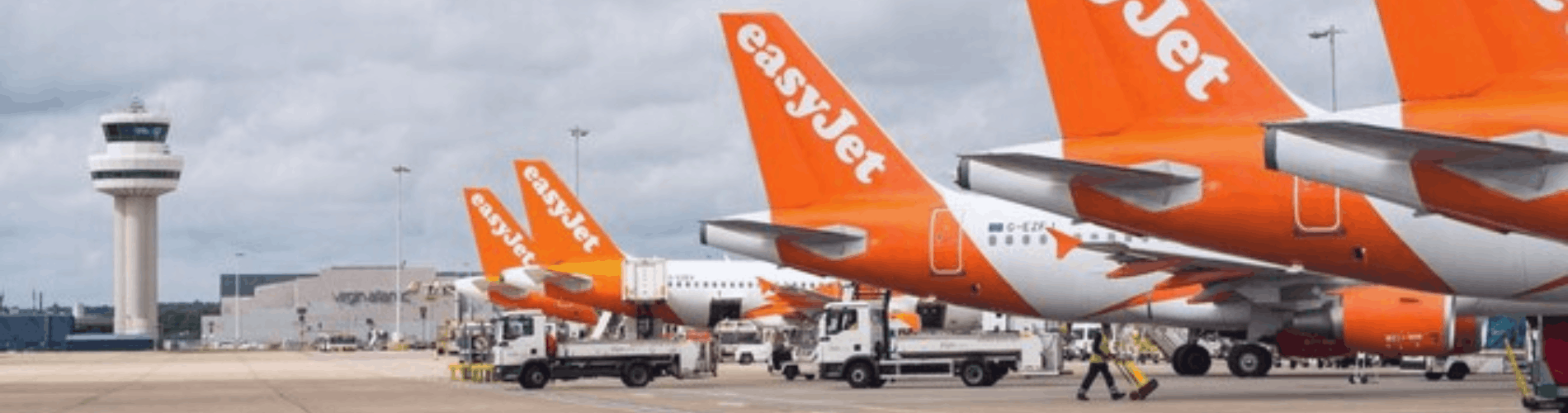
EasyJet revealed that its ancillary revenue, income from extras like baggage, seat selection, meals, and priority boarding, jumped 22% year-on-year to £3.59 billion. To me, that number signals something bigger than strong sales. It shows a structural shift in airline economics.
Traditional airline thinking used to revolve around filling seats. Today, the strategy revolves around maximising revenue per passenger.
In fact:
- £2.46 billion of that ancillary revenue came from its airline segment alone
- Profit before tax rose to £610 million, up 34%
- Demand for travel remained resilient across Europe
That combination tells me airlines are successfully balancing two goals: keeping base fares attractive while quietly monetising optional services.
Why This Model Works So Well
From a business perspective, the logic is brilliant.
When airlines strip extras out of base fares, they can advertise ultra-low headline prices. That draws in price-sensitive travellers, which is most people. Once a customer commits to booking, the airline offers optional upgrades.
Psychologically, this works because:
- Customers compare base fares first
- Add-ons feel like optional choices rather than mandatory costs
- Spending feels incremental, not upfront
I’ve seen this playbook across industries, gaming, SaaS, streaming, but airlines may be executing it best right now.
EasyJet CEO Johan Lundgren summed it up during an interview on Squawk Box Europe: about one-third of passengers don’t buy any extras at all. That means the remaining customers effectively subsidise lower fares for everyone else. From a strategy standpoint, that’s near-perfect price discrimination.
The Regulatory Clash in Spain
But every profitable strategy eventually attracts scrutiny, and that’s exactly what’s happening.
Spain’s consumer watchdog, the Spanish Ministry of Consumer Rights, fined several low-cost airlines for what it called abusive pricing practices. Alongside easyJet, carriers such as Ryanair, Norwegian, and Vueling were penalised for charges related to hand luggage, seat reservations for dependents, and certain booking fees.
EasyJet’s fine alone reportedly reached €29 million. From an investor’s lens, this raises a key question: Are ancillary fees a sustainable growth driver, or a regulatory risk waiting to escalate?
Personally, I think it’s both.
The Broader Industry Context I’m Watching
Airlines globally have faced a brutal decade:
- Pandemic travel collapse
- Fuel price volatility
- Aircraft delivery delays from Boeing
- Labor shortages
Given those pressures, it makes sense that airlines turned to high-margin extras. Unlike ticket prices, which are highly competitive and often squeezed, add-ons carry strong profit margins.
This is why even when ticket fares drop, airline profitability can still improve. In fact, one rival airline recently reported falling profits despite rising passenger numbers because fares declined. That contrast reinforces my belief that ancillary revenue is now the real battleground.
The Consumer Angle: Are Travelers Actually Upset?
Here’s where things get interesting. Regulators argue these fees are unfair. Airlines argue they’re optional. As a traveler myself, I see both sides:
Why regulators object:
- Fees can feel hidden
- Pricing transparency isn’t always clear
- Some charges appear unavoidable
Why airlines defend them:
- Base fares stay lower
- Customers choose what they value
- Not everyone pays for extras
The truth lies somewhere in between. The real issue isn’t the existence of add-ons, it’s whether pricing is transparent enough.
What This Means for Investors Like Me
Whenever I analyse earnings reports, I ask one question: Is this growth cyclical or structural? Ticket-price increases are usually cyclical. They fluctuate with demand, oil prices, and competition.
Ancillary revenue, however, looks structural. Once customers accept paying for extras, that behaviour rarely reverses. In business terms, it’s a sticky revenue stream. That’s why I’m personally watching three indicators going forward:
- Percentage of revenue from ancillaries
- Regulatory developments in Europe
- Customer sentiment toward pricing models
If ancillary revenue keeps rising as a share of total income, it signals airlines have permanently shifted their monetisation strategy.
Also Read: MSTC Shares Surge 6% Ahead of Ramesh Damani Meeting
The Bigger Travel Trend I Can’t Ignore
Another insight from the results is something I’ve been noticing for months: consumers are prioritising experiences over goods.
But despite economic uncertainty, travel demand is still strong. That means families are trimming discretionary spending elsewhere, not travel.
This aligns with a post-pandemic behavioural change: Individuals today value experiences more than they do possessions. For airlines, that’s incredibly bullish. Strong demand means they have pricing power, both in tickets and add-ons.
Risks That Could Change the Story
Even with the powerfully buoyant numbers, I do see this as a risk-free growth story. Here are the major threats I’m watching:
- Regulatory intervention: If more countries adopt Spain’s approach, ancillary pricing could be subject to caps or restrictions.
- Consumer backlash: If travelers perceive they are being nickel-and-dimed, brand perception may take a hit.
- Operational constraints: Aircraft delays could lead to slower capacity growth.
And airlines run on thin margins, so regulatory or operational shocks can have a huge impact on profitability.
My Personal Takeaway
After reviewing the data and commentary, my conclusion is simple: The airline industry not only recovered, but reinvented itself.
The shift from ticket-based revenue to modular pricing is one of the most important structural changes in aviation economics in decades. Whether regulators approve or not, the model is proving highly effective.
If anything, I believe we’re still early in this transition. The real question isn’t whether ancillary revenue will grow. It’s how far airlines can push it before customers, or governments, push back.
Also Read: Adani Wipeout Fails to Break Foreign Investor Trust
Disclaimer
This article reflects personal analysis and opinion for informational purposes only. It should not be considered financial or investment advice. Readers should conduct their own research or consult a qualified advisor before making investment decisions.

Himani Soni
I’m Himani Soni, a finance content strategist with 2+ years at Investik Future. I decode market trends and simplify complex investing concepts into clear, actionable insights for the everyday investor.