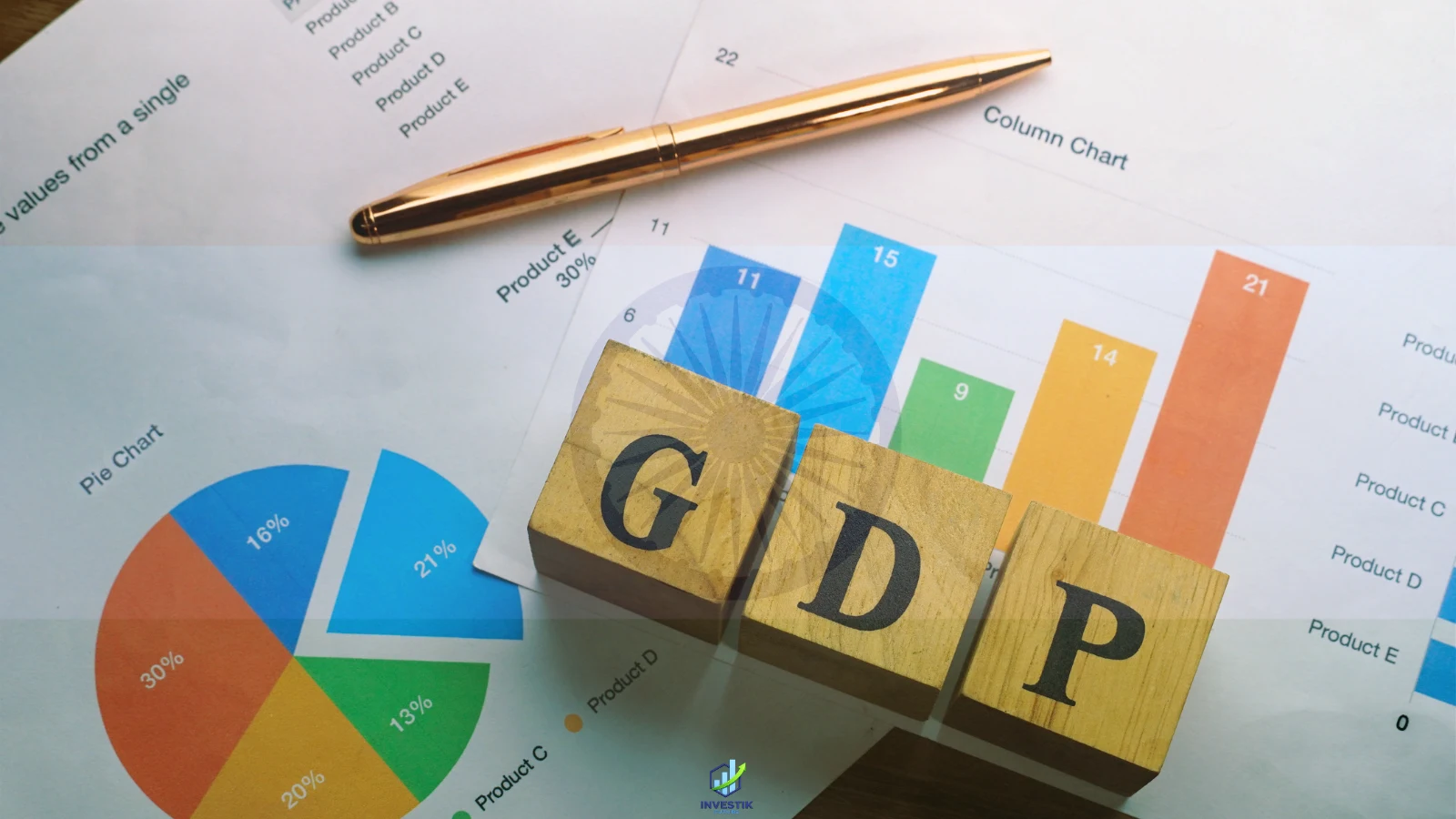

Lately, India’s GDP growth has been in focus, and when I came across the latest update from the World Bank, I felt a mix of optimism and caution. On paper, things seem steady, with the FY27 growth forecast nudged up to 6.6%. It’s not a dramatic jump, but it still signals resilience in the economy.
At the same time, the report doesn’t sound entirely comfortable. It clearly highlights risks, especially from global tensions, that could quietly slow things down. So I tried to explain it in simple terms: What’s actually powering India’s growth right now, and what could slow it down next year?
This article explains that the World Bank’s marginal upgrade of India’s growth forecast for FY27 to 6.6% is good news, but there are also several aspects that warrant caution in outlooks. It notes strong domestic demand and GST rate cuts will boost the economy over the near term, but increasing global risks, particularly tension in the Middle East affecting oil prices, may slow growth later in the year.
What is the World Bank’s India GDP growth forecast for FY27?
The World Bank has projected India’s GDP growth at 6.6% for FY27, slightly higher than its earlier estimate. From what I understand, India’s recent growth story has been surprisingly strong. The World Bank estimates that the economy grew from 7.1% in FY25 to 7.6% in FY26. That’s not a small jump, and it seems to be largely driven by two things:
- Strong domestic consumption
- Resilient exports
Personally, what stood out to me was how much consumer spending contributed to this growth.
Lower inflation and some rationalisation in the Goods and Services Tax appear to have played a key role. When prices are relatively stable and taxes are more manageable, people tend to spend more, and that naturally boosts the economy.
GST Cuts: A Short-Term Boost?
One interesting point in the report is the impact of GST rate cuts. The expectation is that lower GST rates will support demand, especially in the first half of FY27. And honestly, this makes sense even from a basic perspective, when goods become cheaper, consumption tends to increase.
But I also noticed something important: this boost might not last throughout the year. The reason? Rising global pressures.
The Big Concern: Middle East Tensions
This is where things start to get a bit uncertain. The report notes that continuing tensions between nations such as Iran, Israel and the United States could spill over to global markets, with energy prices particularly hard-hit.
However, the announcement of a temporary ceasefire on April 8 has not made anything feel certain in terms of the situation. These kinds of conflicts tend to drive crude oil prices higher, and that eventually affects:
- Transportation costs
- Manufacturing expenses
- Household budgets
So even if GST cuts mean things are cheaper at first, increasing energy costs down the track could wipe out those benefits.
Why 6.6% Growth Still Comes with Caution
At first glance, 6.6 per cent growth sounds fine, and it is, relative to many economies worldwide. But when I checked out other projections, I saw some slight divergence:
- Reserve Bank of India: 6.9%
- Organisation for Economic Co-operation and Development: 6.1%
- Moody’s Ratings: 6.0%
That range indicates that there’s still plenty of uncertainty. Some estimates are even as low as 5.9% based on global conditions going forward.
What Could Slow Things Down?
The more I read, the more it became clearer that growth isn’t merely about demand; it’s also an issue of costs and confidence. Here are some reasons that could affect the economy negatively:
- Rising Energy Prices: Rising global crude prices could fuel inflation and put pressure on disposable income.
- Government Spending Pressures: The report observes increasing subsidy requirements for:
- Cooking fuel
- Fertilisers
That could constrain how much the government will have to spend on other priorities.
- Slower Investment Growth: Global markets have more uncertainty, leading businesses to delay investment.
- Weak External Demand: Even if India intends to improve access to the EU and US markets, slow growth in those economies can reduce demand for Indian exports.
Also Read: RBI MPC Repo Rate at 5.25%: Holding Steady Amid Uncertainty
A Mixed Outlook for FY27
What I personally take away from all this is that India’s growth story remains intact, but it’s becoming more sensitive to global factors.
On one side:
- Strong domestic demand
- Policy support like GST cuts
On the other:
- Global conflicts
- Energy price volatility
- Slowing external demand
The economy seems to be straddling the dividing line between resilience and vulnerability.
How I’m Looking at This
Economic growth isn’t only about numbers. It’s also about balance. It only takes something relatively small, like a geopolitical conflict, to send ripples through layer after layer of the economy. For someone like me who is still learning, it also underscores why all this is important:
- Track global events
- Understand policy changes
- Look beyond headline GDP numbers
Final Thoughts
So, is 6.6% growth good enough? I think it is, but only as long as the risks stay under control. At this point, things domestically seem to be going right in India. But global uncertainties, particularly in energy markets, will make the journey a bit uneven.
For me, this update was more than another set of GDP numbers. It was a reminder that the world is not entirely removed from even an economy as resilient as India’s.
Also Read: Indian Bond Yields Drop 10 Bps on Strong Global Relief
Frequently Asked Questions (FAQs)
1. Why did the World Bank revise India’s growth forecast to 6.6%?
The upgrade considers strong domestic demand and policy levers like reductions on the goods and services tax, but also factors in global risks, particularly geopolitical tensions.
2. How do GST rate cuts impact economic growth?
Lowering GST rates will cause a price reduction, which would increase consumer spending and consequently total demand in the economy.
3. Why is the Middle East conflict important for India’s economy?
It also matters for global oil prices, which ripple through inflation, the cost of production and household budgets in India.
4. How does India’s growth forecast compare globally?
At 6.6 per cent, India is still one of the world’s fastest-growing large economies, but growth is set to moderate somewhat.
5. Can global events really impact India’s GDP?
Yes, most importantly, through channels including trade, oil prices, and investor sentiment.
Disclaimer
This article is for informational purposes only and represents personal interpretation and understanding of publicly-accessible data. Do not identify as financial or investment advice. Any investment decision should be made after consulting with a qualified financial advisor and conducting your own research.

Himani Soni
I’m Himani Soni, a finance content strategist with 2+ years at Investik Future. I decode market trends and simplify complex investing concepts into clear, actionable insights for the everyday investor.