

IndiGo has seen its share of market reactions, but today’s move felt different, less like momentum and more like a signal of something deeper. On Wednesday morning, shares of IndiGo’s parent company surged 4.48% to ₹4,120 on the BSE, gaining ₹176.50 in a single session. At first glance, this might look like a routine market reaction to leadership news. But when I looked more closely, it felt like investors were doing more than just reacting; they were reassuring themselves into a sense of calm because this wasn’t just any CEO appointment.
This article explains how InterGlobe Aviation stock rose around 4.5% after the airline named Willie Walsh its new chief executive officer, and why the appointment calmed nerves in a firm that has faced recent operational struggles. It also tries to figure out why the market took it so well, addresses what consistent leadership means for IndiGo, and discusses how Walsh’s background could help tackle cost pressures, improve reliability and aid international expansion, making this more than merely a short-term stock movement.
A Leadership Move That Signals Stability
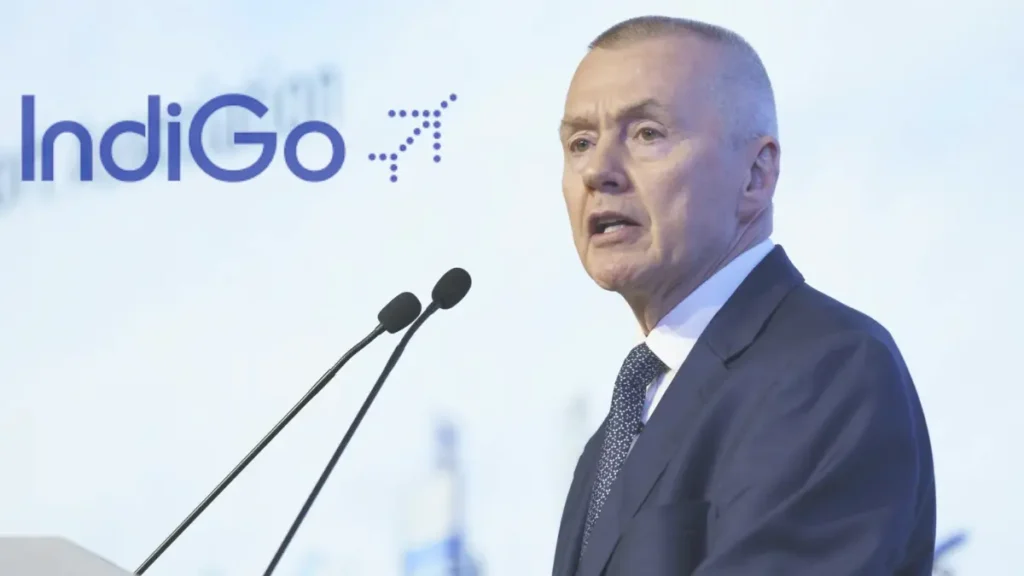
Willie Walsh has been appointed the new CEO of the airline, succeeding Pieter Elbers. And frankly, this decision seems strategic in a way that is more than about optics.
Walsh isn’t just another corporate name. With over four decades in aviation and his current role as Director General of International Air Transport Association (IATA), he brings global credibility at a time when IndiGo is no longer just a domestic giant; it’s positioning itself as an international force.
His term at IATA ends on July 31, and he is expected to take charge by August 3. What stood out to me here is how quickly this transition has been executed. Even global broker Jefferies called it a “remarkably swift” resolution. And in markets, speed often equals confidence.
Why Investors Reacted So Positively
From my perspective, this rally isn’t just about Walsh; it’s about what his appointment represents.
IndiGo today commands nearly 64% market share in India, operates a fleet of around 440 aircraft, and runs over 2,200 daily flights across domestic and international routes. That scale brings both dominance and pressure.
The airline has been one of India’s strongest aviation success stories, thanks to its low-cost model and operational discipline. But in recent months, cracks have started to show.
So when a company at this scale brings in a globally respected industry leader, investors don’t just see a CEO; they see a course correction.
The Crisis That Changed the Narrative
Let’s not forget what happened just a few months ago.
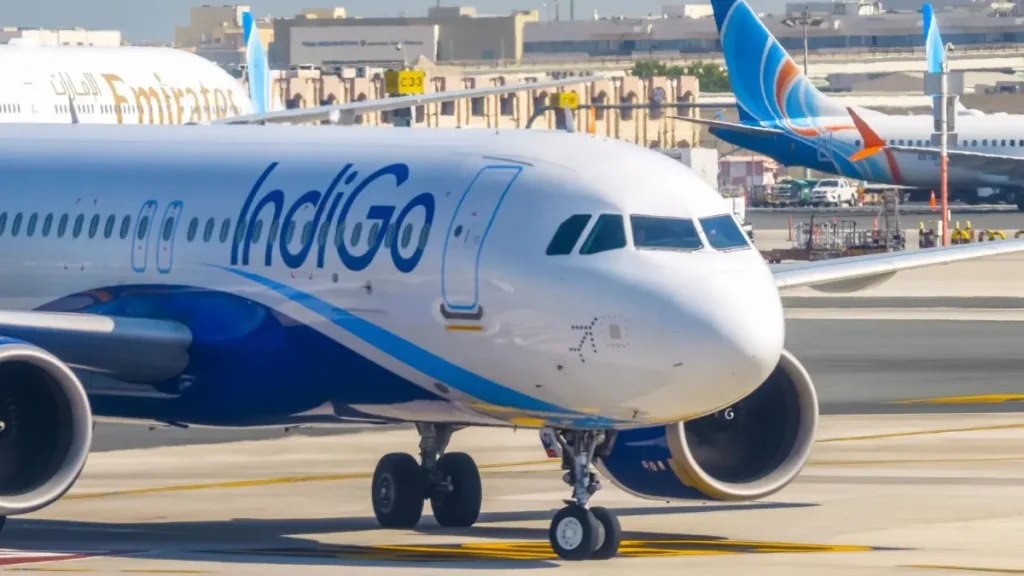
In December, IndiGo faced one of its biggest operational disruptions, cancelling over 4,500 flights due to unpreparedness around new pilot rest regulations. Regulators didn’t hold back; they openly criticised the airline’s oversight and crisis management. Even senior executives, including Elbers, were pulled up.
From an investor’s standpoint, this was more than a temporary issue; it raised questions about internal systems, scalability, and leadership accountability. That’s why today’s announcement feels like a response to that moment.
The Bigger Challenge: Costs, Routes, and Global Pressures
Even outside of its internal problems, IndiGo isn’t working in a soft environment. Like the other airlines, it’s dealing with high operational costs resulting from:
- Rerouting flights amid tensions in the Middle East
- Restrictions in Pakistani airspace
- Fuel cost volatility
These are not problems that can be solved in a single quarter. They need a long-term strategy, international coordination and strong leadership. And this is precisely where Walsh’s global experience could make a difference.
What Willie Walsh Brings to the Table
If I had to break it down, Walsh’s appointment signals three things:
- Global Expansion Is Now a Priority: IndiGo is not only defending its dominance domestically; it’s looking outward. The international attention on Walsh could push this change faster.
- Operational Discipline Will Be Tightened: After the crisis in December, reliability is not optional. It’s essential.
- Strategic Balance Between Cost and Growth: Maintaining a low-cost model while expanding globally is tricky. This is where experience in leadership matters most.
According to Jefferies, the airline’s key priorities now include:
- Improving operational reliability
- Fixing crew management issues
- Balancing cost pressures with expansion
And honestly, these are precisely the areas where leadership makes or breaks outcomes.
Also Read: IndiGo’s Q3 Resilient Performance Under Pressure as Exceptional Costs, Weak Yields Weigh on Outlook
My Take: This Is More Than a Short-Term Rally
Personally, I don’t see this as just a one-day stock spike. Yes, the 4.48% jump reflects immediate optimism. But more importantly, it reflects relief. Relief that IndiGo has acted quickly. Relief that there won’t be a prolonged leadership vacuum. Relief that the airline is taking its recent challenges seriously.
In markets, sentiment shifts before fundamentals do. And this feels like one of those moments.
What Investors Should Watch Next
If you’re tracking IndiGo, or aviation stocks in general, here’s what I’ll be watching closely:
- How smoothly the leadership transition plays out in August
- Whether operational reliability improves in the next two quarters
- Updates on international route expansion
- Cost management amid global geopolitical disruptions
Because ultimately, leadership announcements create expectations. Execution decides whether those expectations are met.
Final Thoughts
To me, this moment feels like a turning point, not just for IndiGo, but for how investors view its future. The airline has already demonstrated that it can corner the domestic market. Now the question is whether it can develop into a globally competitive player without sacrificing its cost advantage. And under Willie Walsh, there is every reason to believe that it will.
Also Read: Stock Market Rally: Sensex 900-Point Surge Signals Relief
Disclaimer
This article is for informational and educational purposes only, and does not constitute financial advice. Investments in equity shares and the stock market are subject to market risks; readers are requested to do their own research or consult a financial advisor before taking any investment decisions.

Himani Soni
I’m Himani Soni, a finance content strategist with 2+ years at Investik Future. I decode market trends and simplify complex investing concepts into clear, actionable insights for the everyday investor.