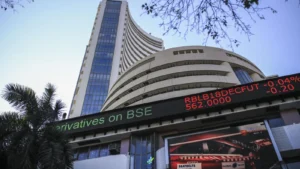
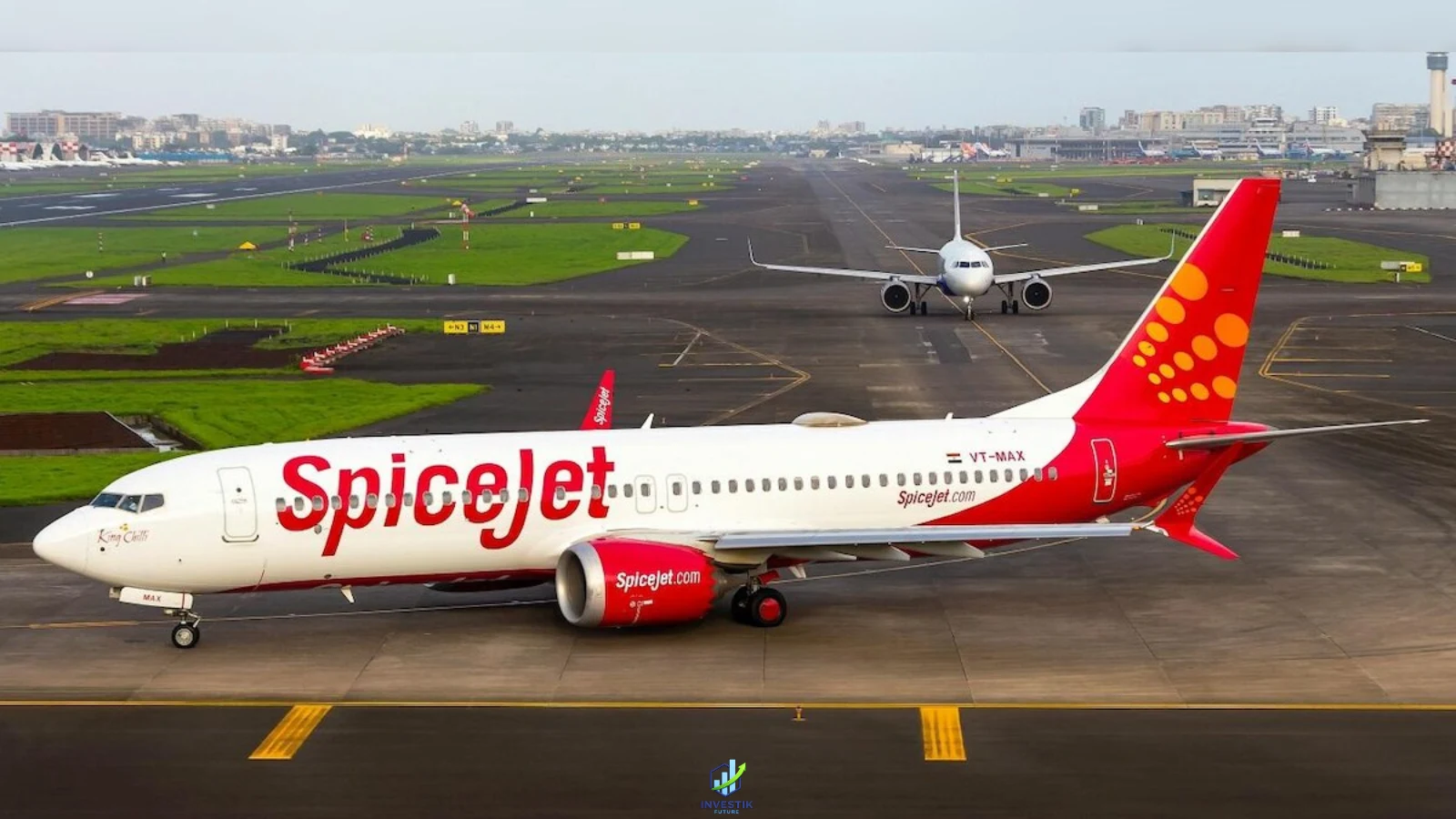

SpiceJet hits upper circuit, and IndiGo gained 4% on May 6, 2026, nd if you are following the shares of airlines, then you might be aware that this is a very significant event. The trigger behind this sharp rally is the government’s approval of theThe reason for this steep surge can be attributed to the government’s decision to sanction the Emergency Credit Line Guarantee Scheme 5.0, popularly known as ECLGS 5.0, under which Rs 5,000 crore would be provided exclusively for the aviation industry under a credit line support package of Rs 2,55,000 crore.
For investors tracking the aviation sector, this is a moment worth understanding closely. In this article, let me walk you through exactly what happened, what ECLGS 5.0 means for airlines, and whether this rally has legs.
How Aviation Stocks Reacted
IndiGo shares climbed 4% in Wednesday’s trade after the government announced the Emergency Credit Line Guarantee Scheme targeting a total additional credit flow of Rs 2,55,000 crore, including Rs 5,000 crore specifically for airlines.
SpiceJet shares touched the 5% upper circuit to hit a high of Rs 11.14, taking its market capitalisation up to Rs 1,700 crore. Other aviation stocks also joined the rally, AFCOM Holdings jumped 5.6%, FlySBS Aviation surged 9%, and Global Vectra Helicorp was up 3.5%.
It was not just the ECLGS announcement driving the move. The rally also came as easing of geopolitical tensions led to a sharp fall in global crude oil prices, a critical input cost for airlines. Reduction in fuel prices impacts airline margins positively and attracts investment in the aviation sector in the short term.
What is ECLGS 5.0 and Why Does It Matter for Airlines?
The term “ECLGS” stands for “Emergency Credit Line Guarantee Scheme.” It was introduced during the COVID-19 period as an emergency loan scheme for industries. The new phase of ECLGS involves reviving and enhancing the plan to cater to the latest financial stress faced due to global events such as the current crisis in West Asia.
Under ECLGS 5.0, MSMEs would get a 100% government guarantee for incremental credit, whereas non-MSMEs and airlines would have a limit of 90%. The framework aims at motivating banks to keep lending even when the global environment becomes risky.
Borrowers eligible under this scheme comprise MSMEs, non-MSMEs, and scheduled commercial airlines having credit facilities outstanding as of March 31, 2026, whose accounts were classified as standard. The scheme allows additional credit of up to 20% of the peak working capital utilised during the fourth quarter of FY26, capped at Rs 100 crore per borrower.
The scheme will offer credit guarantee coverage through the National Credit Guarantee Trustee Company to member lending institutions for the amount in default under the additional credit facility, to help eligible borrowers tide over short-term liquidity mismatches in view of the West Asia crisis.
In simpler terms, this means that airlines facing short-term liquidity problems owing to increased costs and disruption due to global issues now have the backing of the government as a safety cushion to take loans from.

SpiceJet Hits Upper Circuit: Rally or Reality Check?
As much as it may make interesting reading that SpiceJet’s shares are up on their upper circuit, it would be advisable to step back and take an overview.
SpiceJet shares have already rallied around 42.4% during the preceding nine trading days, peaking intraday at Rs 14.14 on April 16, 2026. However, this move comes amid tough times from both an operations standpoint and a financial performance perspective.
The firm’s P/E ratio is negative, ranging from -0.91 to -2.65, pointing to massive losses during the trailing twelve months. The auditors have continuously raised concerns regarding the sustainability of the company as a going concern due to the firm’s continuous losses and negative net worth.
The ECLGS 5.0 support is welcome news and could ease short-term liquidity pressure for SpiceJet. But investors should weigh the fundamental health of the airline carefully before treating this rally as a long-term signal. The stock remains substantially below its 52-week high of Rs 56.80.
IndiGo: The Stronger Bet in Aviation
IndiGo, in sharp contrast to SpiceJet, boasts a market capitalisation nearing Rs 1.7 trillion and a positive P/E ratio, reflecting strong profitability and growth expectations and placing it in a different financial league entirely.
For IndiGo, the ECLGS 5.0 is not a lifeline; it is an additional tailwind. The airline is already profitable and well-capitalised. The credit guarantee scheme, combined with falling crude oil prices, simply adds more room for IndiGo to expand its fleet, manage costs, and strengthen its market position further.
If you are an investor looking at aviation stocks for the medium to long term, IndiGo remains the fundamentally stronger choice in this sector.
What Should Investors Do?
The ECLGS 5.0 announcement is a genuine positive for the Indian aviation sector. Here is how to think about it as an investor:
- For existing IndiGo investors: this is a confirmation of positive momentum. Falling crude prices and government liquidity support are both tailwinds. Remain invested and track their performance quarter-on-quarter for any positive margins.
- For existing SpiceJet investors: While the ECLGS will keep the airline from defaulting in the short term, the underlying issues regarding the business remain. Approach the stock rally cautiously and do not average out on emotion.
- For new investors considering aviation stocks: do not try to chase the stock up to its circuit upper limit. Let the euphoria die down, and then look at the quarters to get a fair entry point.

The Road Ahead for Indian Aviation
The rise in SpiceJet stock prices on upper circuits and 4% increase in IndiGo stock on May 6, 2026, is based on a genuine sentiment, considering the recently approved plan of ECLGS 5.0 by the government, which promises liquidity support worth Rs 5,000 crores to the airline industry, along with a credit guarantee of 90% from the government.
As far as IndiGo is concerned, there seems to be an advantage here for a profitable flight, but investors of SpiceJet need to focus on the fundamentals rather than just paying attention to the price trend alone.
Frequently Asked Questions (FAQ)
1. Why did SpiceJet shares hit the upper circuit on May 6, 2026?
SpiceJet’s shares crossed the 5% upper circuit limit on May 6, 2026, after the government approved ECLGS 5.0, providing a credit guarantee cover of Rs 5,000 crore for airlines. Falling prices of crude oil on account of declining geopolitical risks have also helped boost the performance of stocks related to aviation.
2. What is ECLGS 5.0, and how does it help airlines?
ECLGS 5.0 refers to the Emergency Credit Line Guarantee Scheme’s fifth version, sanctioned by the Indian government to ensure that companies suffering from liquidity crunches receive funds to alleviate their financial stress. In the case of airlines, the guarantee scheme provides a loan guarantee of 90%, enabling them to obtain loans from financial institutions when there are global disruptions.
3. Which airlines are eligible for ECLGS 5.0 benefits?
The Scheduled Passenger Airlines who were having existing credit facilities on March 31, 2026, where their status is termed as ‘Standard’ would qualify for the benefit of ECLGS 5.0. The scheme offers an additional credit of 20% of their Peak Working Capital Requirement during Q4 FY26 to a maximum of Rs. 100 crore per borrower.
4. Is SpiceJet a good buy after hitting the upper circuit?
The ECLGS 5.0 plan has been able to provide some financial liquidity to SpiceJet; however, the company continues to suffer from several basic issues, such as a net negative value and an audited report questioning its existence. One needs to consider all these aspects while making the investment decision based on the recent upward trend.
5. Why did IndiGo shares rise 4% on May 6, 2026?
The shares of IndiGo surged 4% on May 6, 2026, because of two favourable factors: the approval of the ECLGS 5.0 scheme by the government, which extends credit assistance worth Rs 5,000 crore to the airline industry, and the decline in crude oil prices globally as the situation has stabilised in West Asia.
Disclaimer
This article is being published purely for educational and informational purposes and should not be construed as an investment advisory or recommendation to buy, sell, or hold any stock or security. Investments in the stock market involve risks. Please read all relevant documents before investing. Past performance is not indicative of future returns. Please consult a certified financial planner before making any investment decisions.

Himani Soni
I’m Himani Soni, a finance content strategist with 2+ years at Investik Future. I decode market trends and simplify complex investing concepts into clear, actionable insights for the everyday investor.