
PAN 2.0 is a major update that I’ve been closely tracking over the past few days, and it could quietly impact almost every taxpayer in India. At first glance, it may sound like just another government upgrade. But when I dug deeper, I realised this is actually a complete overhaul of how PAN-related services will work in the country.
The Central Government, through the Central Board of Direct Taxes, is aiming to modernise the entire PAN/TAN ecosystem, making it faster, paperless, and far more user-friendly. And honestly, if you’ve ever struggled with PAN corrections, multiple portals, or slow processing, this upgrade might finally fix those pain points.
In this article, I break down what PAN 2.0 really means for taxpayers in India, from the shift to a unified portal and paperless processes to free updates and smarter QR-based verification. I’ll also walk you through what stays the same, what changes, and why this upgrade could make managing your PAN much simpler going forward.
What Exactly is PAN 2.0?
My understanding is that PAN 2.0 is not merely an upgrade; it’s an e-governance transformation project. Instead of having different systems in place, the government aims to have everything on a single platform under the control of the Income Tax Department.
Currently, PAN services are disparate through:
- The Income Tax e-filing portal
- UTIITSL portal
- Protean (NSDL) portal
With PAN 2.0, all of this will come under a single digital ecosystem. To me, this is one of the biggest changes, because that removes all confusion and makes the whole process more seamless.
A ₹1,400 Crore Push for Digital Transformation
What really caught my attention is the scale of this initiative. The project has been approved by the Cabinet Committee on Economic Affairs with an investment of around ₹1,400 crore.
That tells me this isn’t just a cosmetic upgrade, it’s a serious long-term infrastructure build aimed at improving taxpayer services across India.
What Changes and What Doesn’t
One of the biggest concerns people have is: “Will I need a new PAN card?” The answer is simple: No.
- Your existing PAN will remain valid
- No mandatory re-application is required
- Changes only happen if you request updates or corrections
I personally think that this is a good move. This will prevent a lot of undue panic and unnecessary load on the users and the system.
The Biggest Upgrade: One Unified Portal
If there is one feature that defines PAN 2.0, it’s this: All PAN/TAN services will also be available on a single portal. This includes:
- PAN allotment
- Updates & corrections
- Aadhaar-PAN linking
- Online PAN validation (OPV)
- e-PAN download
- Reprint requests
- Know Your Assessing Officer
My experience has been that always hopping through portals is annoying. So this consolidation means users could save much time and confusion just by making things simpler.
Fully Paperless & Free Core Services
Another thing I found impressive is the shift toward complete digitisation. Under PAN 2.0:
- The process will be 100% paperless
- e-PAN will be sent directly to your email
- PAN allotment, updates, and corrections will be free of cost
This is a big change considering that earlier, many updates required fees depending on the mode.
Physical PAN Card Still Comes at a Cost
While digital services are free, physical cards will still have a small fee:
- ₹50 for domestic delivery
- ₹15 + postal charges for international delivery
So if you’re comfortable using e-PAN, which I think most people are now, you can avoid paying anything at all.
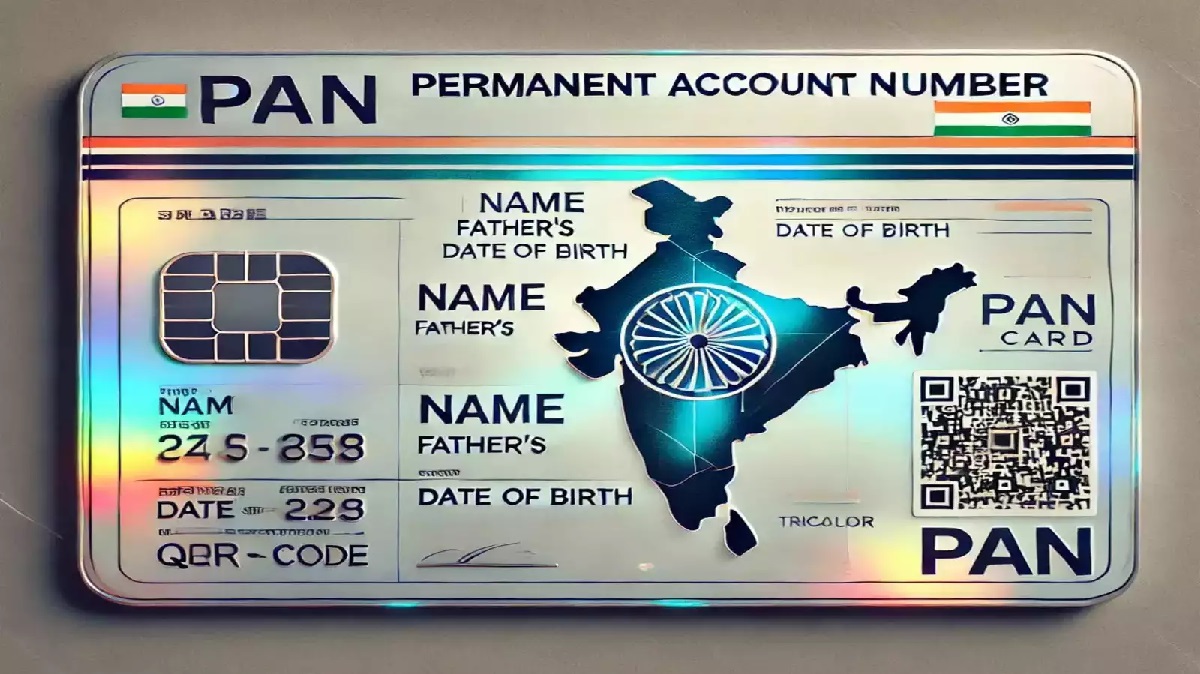
QR Code: Smarter, Not New
There’s been a lot of buzz about QR codes in PAN 2.0. But here’s something interesting I found: the QR code isn’t new. It has been around since 2017-18.
What’s changing now is: It will become dynamic. This means:
- It will reflect the latest real-time data
- It improves verification accuracy
- Helps in instant authentication
When scanned using the official app, it can display:
- Name
- Date of Birth
- Photo
- Signature
- Parent’s name
In my view, this makes PAN a much stronger identity document in digital ecosystems.
Also Read: India’s GDP growth slows to 5.4% in Q2 FY25 due to weak consumption.
PAN Updates and Corrections Made Simple
This is where PAN 2.0 really shines. If you’ve ever tried updating:
- Address
- Mobile number
- Email ID
You know it hasn’t always been smooth. Now:
- These updates will be free
- Aadhaar-based verification will simplify the process
- Everything can be done online
Until PAN 2.0 fully rolls out, users can still update details via existing portals:
PAN as a Common Business Identifier
This is a long-term shift that I think many people are underestimating. As announced in the Union Budget 2023, PAN will act as a common business identifier. This means:
- Businesses may use PAN across multiple government systems
- Reduced duplication of IDs
- Easier compliance
For entrepreneurs and businesses, this could simplify a lot of regulatory processes over time.
My Take: Why PAN 2.0 Actually Matters
After going through all the details, here’s how I see it: PAN 2.0 is not just about convenience, it’s about building a digital backbone for financial identity in India. What stands out to me:
- Less paperwork
- Fewer portals
- Faster processing
- Better data validation
- Lower costs
If implemented properly, this could significantly reduce friction in tax-related services.
Final Thoughts
Personally, I see PAN 2.0 as one of those upgrades that may not feel dramatic immediately, but will make a big difference over time. If you’re a taxpayer, investor, or business owner, this is something worth keeping an eye on.
Because the way we interact with tax systems in India is clearly evolving, and PAN 2.0 is right at the centre of that shift.
Disclaimer
This article is for informational purposes only and is based on publicly available announcements and notifications by government authorities, including the CBDT. Readers are advised to visit official government portals or consult a qualified tax professional before making any financial or compliance-related decisions.

Himani Soni
I’m Himani Soni, a finance content strategist with 2+ years at Investik Future. I decode market trends and simplify complex investing concepts into clear, actionable insights for the everyday investor.