
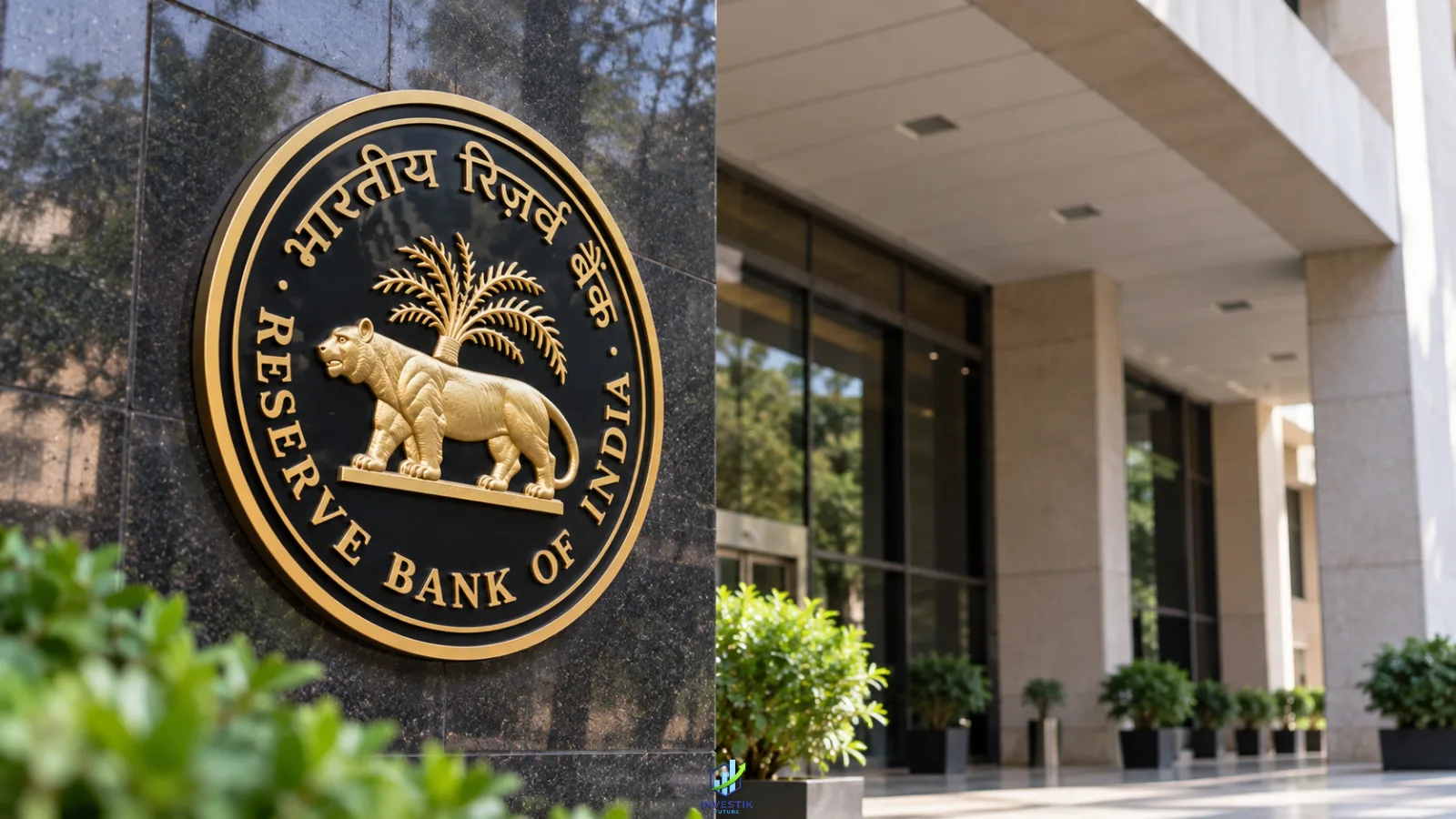

The Reserve Bank of India (RBI) has announced a move to include information on bank deposit accounts in Consolidated Account Statements (CAS) through NBFC Account Aggregators. The change will allow demat account holders to view their securities holdings and bank deposit information in one place.
The announcement has been widely described as bringing FD details into CAS. However, RBI’s official wording is “bank deposit accounts,” which is broader than fixed deposits alone.
This article explains RBI’s plan to include bank deposit information in CAS, what it means for FDs and investors, how the new system will work through Account Aggregators, and when it is expected to be implemented.
What Is a Consolidated Account Statement (CAS)?
A CAS is a single statement that gives you a combined view of your holdings. Instead of checking several records separately, you see them together.
It is closely linked to demat accounts, which hold your shares and other securities in electronic form. India’s two depositories, NSDL and CDSL, maintain these accounts. CAS has mainly been used to provide a consolidated view of securities and investment holdings.
What Has RBI Changed?
RBI announced two measures on October 7, 2026:
| RBI’s change | What it means |
| Bank deposit account information in CAS | Demat account holders will be able to view bank deposit information alongside their securities holdings. |
| Interoperability among NBFC Account Aggregators | Customers can access and share information through the Account Aggregator of their choice. |
| Expected implementation | By December 31, 2026 |
Will FD Details Be Included in CAS?
RBI has spoken of bank deposit accounts, not fixed deposits specifically. Fixed deposits are a type of bank deposit, which is why several reports have described the change as bringing FDs into CAS. Even so, RBI has not said that only FDs will be included.
The exact deposit details that will appear have not been spelled out. It is not yet clear whether you will see items such as interest rate, maturity date, or amount. Until RBI, the depositories, or the Account Aggregators share implementation details, the exact scope should be treated as unconfirmed.
How Will Bank Deposits Be Added to CAS?
The NBFC Account Aggregator, or NBFC-AA, will facilitate this process.
An Account Aggregator is an RBI-regulated entity that helps customers share their financial information between financial institutions with their consent. It does not independently use or own the customer’s data, and using it is voluntary.
For this CAS integration, the Account Aggregator will enable bank deposit information to be shared with the depository, with the customer’s consent.
What Will Investors Be Able to See?
The aim is to give investors a more complete view of their finances. A demat account holder could see securities holdings and bank deposit information in one statement.
RBI has not yet specified the exact fields that will be displayed for bank deposits. Those details should become clearer as the implementation framework is rolled out.
What Does the FD in CAS Move Mean for Investors?
For investors, the main benefit is convenience:
- You may get a wider view of your finances in one place.
- You may need to check fewer separate records.
- Tracking deposits alongside investments could become easier.
This could be particularly useful for people who have investments and deposits spread across multiple financial institutions. It does not change how deposits work or what they earn.
Will CAS Replace Your Bank FD Statement?
Nothing RBI has said suggests that. CAS is meant to give a consolidated view, a summary across accounts.
Your bank’s own records will continue to be the detailed source of information about your deposits. The two can serve different purposes.
When Will FD Details Be Available in CAS?
RBI expects the bank deposit account integration and the NBFC Account Aggregator interoperability measures to be implemented by December 31, 2026.
That is the implementation target. It does not mean every investor will see deposit details in their CAS on that date. The rollout and the final form of the statement will depend on how the systems are set up.
What About Investors Without a Demat Account?
RBI has also clarified that customers without demat accounts can continue to obtain a consolidated view of their financial information through NBFC Account Aggregators. They can also share this information with their consent.
Key Takeaway
RBI’s move could make it easier for investors to see securities and bank deposit information together. For many people, that may mean less switching between records.
Many reports call this FD in CAS, but RBI’s wording is bank deposit accounts. Until implementation details arrive, the exact scope of what will appear in CAS is not confirmed.










FAQs
What is FD in CAS?
FD in CAS refers to the planned inclusion of bank deposit information in the Consolidated Account Statement. RBI has officially referred to "bank deposit accounts," rather than fixed deposits alone.
Will bank FDs be included in CAS?
Bank deposit information is set to be included. RBI has not published a list of which deposit types or details will appear.
When will FD details be available in CAS?
RBI expects the measures to be implemented by December 31, 2026. Individual rollout may vary.
What is a Consolidated Account Statement?
A Consolidated Account Statement (CAS) is a statement that gives investors a combined view of their securities and other eligible financial holdings.
Will CAS replace my bank FD statement?
No such change has been announced. Your bank's records remain the detailed source for your deposits.
ARN Disclosure: Investik Future is an AMFI-registered Mutual Fund Distributor. ARN-341107 — Verify on AMFI ↗. Komal Thakur is the content author and digital marketer; the ARN registration belongs to Investik Future, not to the author personally.